
3 Things to Consider Before Learning and/or Purchasing a Guitar

Accessibility and portability are the two main factors that makes guitar a highly sought out musical instrument to learn. You just need a guitar and start performing anywhere (with a permit)! However, did you know that there is more than one type of guitar? Most of the street performers in Singapore uses an acoustic guitar as its bright and loud tones are deemed more suitable for pop songs. The two main types of guitar are Acoustic and Classical – do you know where does your heart take you? No? Read on and you’ll be able to find out! 1. Acoustic or Classical? Before diving into the specifics about the difference the technicalities of the guitar, it is crucial to pinpoint the type of guitar that is preferred – Acoustic or Classical. There are two main considerations to decide between the acoustic or classical: 1. Genre Difference What type of music is repeating on your playlist? Do you want to be able to play those type of music? If the answer is yes, then choosing between acoustic or classical is a walk in the park. The engineering of the respective guitars is built to sound different. Classical guitars are built to sound better for classical, flamenco and Spanish music. This is due to the material of the strings being nylon, it enables the tone to be on the mellower and softer spectrum. Whereas, acoustic guitars are wired with steel strings, enabling the tone to be on the brighter and louder spectrum. Hence, acoustic guitars are more suitable for folk, pop, country, and slow rock music. If you are still not sure what type of music do you prefer, perhaps after taking in the next consideration will help you to choose between an acoustic guitar or a classical guitar. 2. Guitar Difference As aforementioned, due to the way the guitar is engineered, acoustic guitar and classical guitar uses different materials for their string. All 6 strings on a classical guitar are made from nylon strings, whereas steel strings are used on acoustic guitars. Other than the differential tones that is produced, nylon strings tend to be easier on the fingers as compared to steel strings. This is important if the guitarist is of younger age as it might be painful for them to press on the chords. In addition, classical guitars tend to have wider necks, causing the spacing between each string to be larger as compared to the acoustic guitar, where the neck is narrower. Hence, the hand size of the guitarist will also affect the type of guitar that is more suitable for them. DISCLAIMER! This does not mean that people with small hands cannot play classical guitar. With sufficient practice, nothing is impossible. It only serves as a consideration factor if you are not sure of which type of guitar is suitable. 2. Size of Guitar Usually, there are three sizes to both classical and acoustic guitar. Half-sized guitar being the smallest and full-sized guitar being the largest. The reason why younger kids is more suitable to use a smaller sized guitar is due to the physicality of a guitarist – forearm movement (strumming patterns) and finger movement (plucking). The optimal size is when the guitarist is seated with the guitar on hand, the elbow should not be raised higher than the shoulder height. Otherwise, there will be constant tension within the biceps and triceps region. This chart serves only as a recommendation and it is not compulsory to follow the height limitations to a T when choosing the guitar of choice. Comfort level should be the main factor when choosing the appropriate size followed by preference. 3. Price Range Is it really necessary to get a high range guitar if I am just starting out? Before committing to owning an musical instrument, this is probably the most common question that will pop in the student’s mind. Before jumping the gun and choosing the highest range or the lowest range, bear in mind that the price is highly dependant on the type of wood (top, side and back), shape of guitar, guitar action and guitar strings. A better engineered guitar will definitely be a better guitar which comes with a heftier price tag, but a better guitar will not guarantee a better guitarist. It is only through putting in time and effort to practice, will a guitarist improve. It is not a crime to start off with an average guitar when you first start, as long as the guitar produces the sound and tone that is required. After developing tonal preference after learning, you can start looking at the shape and type of wood that is able to produce the tone that you like.
5 Tips for Taking Ukulele Classes in Singapore
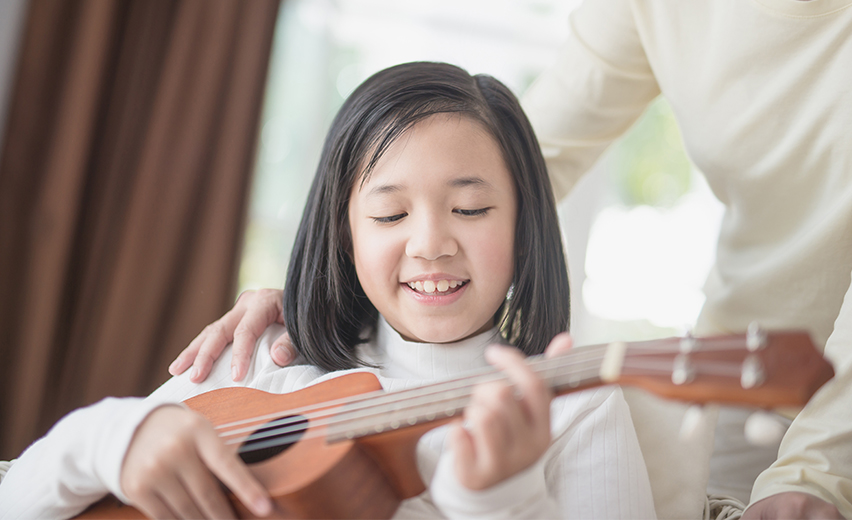
Learning how to play the ukulele is an excellent way to de-stress. However, finding the best ukulele class Singapore to enroll in is a very daunting task because you have to consider many things. People often get scared to try out ukulele lessons because of misinformation and fear of choosing the best schools fit for them. Therefore, our team of experts decided to help you have an informed decision by giving you these five tips for taking ukulele lessons in Singapore. You don’t have to worry about making the wrong decision because we have already researched for you. Why is the Ukulele Popular in Singapore? Ukulele is a unique Hawaiian instrument, but in truth, it originated the Portuguese braguinha, a small four-stringed instrument in the European guitar family. When Hawaii hit a major economic force in 1850, many Portuguese came to aid in the scarcity of Hawaii’s workforce. They came with their cavaquinhos or braguinhas and fascinated the Hawaiians by singing and playing their instruments. Since then, the Hawaiians called these instruments “jumping flea,” which they now call the ukulele. Singaporeans find the ukulele an effective way to de-stress. Ukulele isn’t only popular in western countries but also Singapore. So, it’s no wonder that there are many ukulele lessons in Singapore offered today. Tips for Taking Ukulele Classes in Singapore Here are the five best tips that you need to consider when taking Ukulele Classes in Singapore: 1. Make sure the school or teacher specializes in teaching at the appropriate level Whether you’re jumping into musical instruments for the first time (in this case, the ukulele), or am looking to diversify your mastery of instruments, it’s important to make sure you’re getting the right teacher for your level of musical ability. Why? Well, most teachers, including those who teach ukulele lessons, specialise in teaching students of certain levels. For example, some are best in working with beginners, while others excel in bringing the best out of advanced players with higher-level techniques! 2. Find a music teacher who can build quick rapport and bond with your child This is one of the best ways you can ensure that you’re choosing the right ukulele lesson for your child. While many schools offer trial lessons to give you a good impression about the teacher and the lessons, it’s also a great opportunity for you to treat it as a chemistry test between your child, the school and their music teachers! of the school and the teachers! This can give you a pretty good idea on how the music teacher will connect and bond with your child in order to cultivate fun and interesting ukulele lessons. Ultimately, your child’s music lessons will be much more efficient, effective and motivational if there can be a bond between teacher and student. Here are some common questions you can ask: What is your performing experience? What experience do you have of teaching this age group? How long have you been teaching? Do you engage in any professional development? Do you encourage students to take advantage of modern technology eg online learning support? Do you encourage improvisation and playing by ear as well as playing from printed music? Are you a music performance examiner? 3. Choose lessons that give quick, concrete progress via mastering beginner-level lessons quickly! While having patience is a virtue for many lessons, especially when it comes to music, it’s also a fantastic motivator to be able to master the basics of playing the ukulele quickly to play the songs you love! In fact, with CRISTOFORI’s fundamental ukulele lessons, mastering the basics of the ukulele takes will just take 1 term (or 3 months) of lessons! This includes: Tuning and stringing Fundamental strumming patterns Basic chords, notes and musical comprehension By the end of this course, the student should be able to play chords and accomplish at least 5 songs – and much more with some practice. How exciting is that? Furthermore, it can be the start of a great musical journey with a continuation and advancement of ukulele learning via exams. For example, a Debut exam would need about 9 months of lessons (or about 3 terms)! 4. Look for schools that gives you performance opportunities, even for beginners Being able to perform for even their parents is a major motivator for any child who wishes to learn the ukulele! Think about it – when children are given the opportunity and platform to showcase their skills and learnings, they often become super-motivated in learning and practicing. Especially when it comes to the ukulele! Hence, you should be searching for a school that has a rich and diverse repertoire of both folk and contemporary pop music that allows their students, even as beginners, to perform! Regardless if it’s in duet or ensemble settings featuring music from the likes of Jason Mraz to Israel Kamakawiwoʻole, performing will definitely take any child’s ukulele lesson’s effectiveness to the next level. 5. Look for restructured and up-to-date curriculum As mentioned above, music schools offer different curriculums. However, some schools still use the old curriculum. Therefore, we suggest that you find a music school that offers a new curriculum that matches today’s best ukulele practices. A new curriculum usually gives more learning opportunities for their students. For example, CRISTOFORI utilizes the Rockschool Ukulele syllabus as one of Singapore’s first fully regulated suite of ukulele grades. The Rockschool Ukulele syllabus develops instrument-specific techniques through digestible benchmarked topics – these can give every student the right practical skills and knowledge for highest possible mastery of the instrument! From a featured repertoire, rigorous academic scoring as well as being internationally recognised, the Rockschool Ukulele syllabus with CRISTOFORI is definitely the way to go! Conclusion: Why do you have to take ukulele lessons? Choosing the best ukulele classes in Singapore gives budding musicians the opportunity to have a better future in the music industry. The demand for creative, dynamic, and passionate musicians makes the music industry a battleground for musicians. Therefore,
What You should Look Out in A Piano
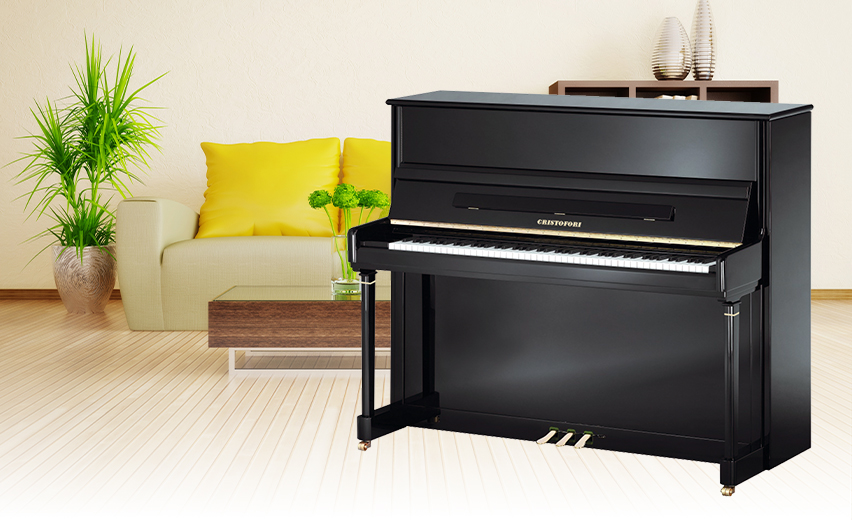
Thinking of purchasing a piano but unsure of what to look out for? Don’t fret! Choosing a piano is not as difficult as it seems. As Singapore’s largest piano store, we deal with numerous questions regarding piano purchase on a daily basis. Here are some pointers that will breeze you through your purchase process. 1. Reason of Purchasing A Piano Firstly, what is the reason for you to purchase a piano? Leisure? Exam practice? Or just a nice looking furniture in the house? You need to know what you are looking out for, and keep that thought in mind whilst finding for the perfect piano for you. For student’s practice, it is crucial to get an examination model. You may ask “What is considered as an examination model?” Any acoustic piano that is tuned to 440Hz, at least 120cm in height and has weighted keys. 2. Touch The touch of the piano mainly refers to the weight of the piano keys. As examination model pianos require keys to be weight, if you are looking towards piano grading, it is important to ensure that the practice piano keys are weighted! Let me give you an example, if you go to the gym and train with barbells that weight 10kg, if you go to a competition that requires you to lift 5kg instead, it will be a walk in the park! However, if you train with a 2kg barbell, the competition will be a mess. With that being said, most of the acoustic pianos in the market does have weighted keys. 3. Tone Simply put, the tone of a piano is the sound of the piano. It usually ranges from being bright and chirpy to being mellow and deep. The best tone is the tone that suits your liking. At the end of the day, you are the one practicing the piano, listening to pieces after pieces. The tone of the piano is highly individual preferential, and should not be influenced by others. There is no shortcut to finding your preferred tone, it is only through repeated testing and trying different brands and models. 4. Responsiveness Last but not the least, the responsiveness of the piano. This is correlates to the sensitiveness of your finger. A responsive piano will allow you to associate the strength used to press on the keys to the loudness generated. The best way to test a piano’s responsiveness is through alternatively two fingers on different notes repeatedly.
Importance of Tuning Regularly
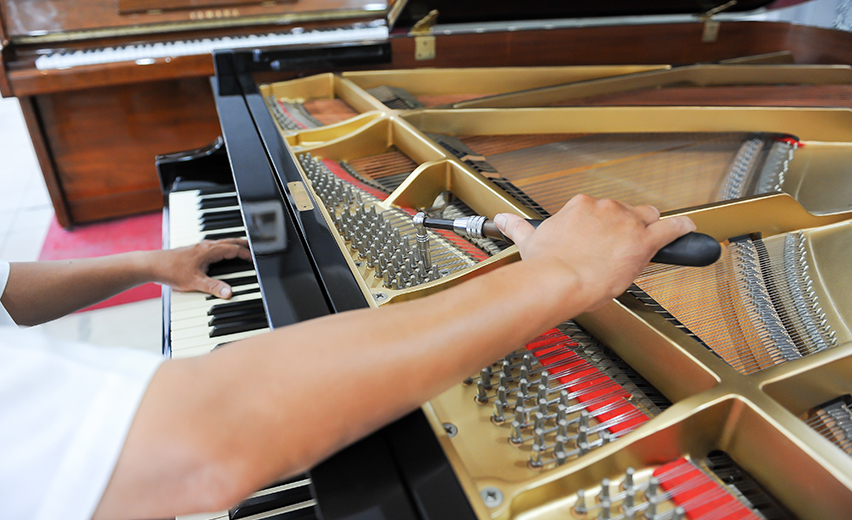
“Is it really necessary to tune my piano once every 6 months?” is a common doubt that many piano owners face. A common misconception is that piano tuning is a marketing gimmick used by piano manufacturers to continuously profit from the sales. However, this cannot be any further away from the truth! The primary reason for regular tuning is to ensure sufficient string tension of 440Hz. This level of string tension is examination grade and is extremely hard to achieve. Even if your child or you yourself does not play the piano frequently, it is still crucial for the piano to be tuned. Let us give you an example, if you own a car and do not drive it frequently, you will still need to service your car yearly. The rationale behind servicing the car is to ensure that the internal mechanisms are still in working condition and there will be no danger if you were to drive it on the road. Similarly, to tune and service your piano, it is to ensure that the strings are at the correct tension and the internal mechanisms (hammer head, felt, keys, etc.) are of working condition, so that when you were to play the piano it will still sound good, and you are able to play it. The ever-changing humidity level has a direct correlation to the pitch of the piano. When the humidity level goes up, it will cause the piano to be of a higher pitch, vice versa. Due to the different thickness of the strings, the change in pitch will not occur equally across the entire piano. Even though there is no one playing the piano, the environment that the piano is put into will cause it to be out of tune. It does not mean that if you do not play it, it will not go out of tune. If the string tension is constantly not of 440Hz, this will affect the pianist aural abilities in the long run. For new pianos, the industry standard is for it to be tuned once every 6 months. As new pianos need time to “settle” into the new environment – humidity and temperature, within the first 5 years of purchase. After which, piano owners can choose to tune their piano once a year should they feel that biyearly is too frequent. Should your piano had not been tuned for more than 4 years, a piano technician will have to do an inspection of your piano to ensure that your piano is in working condition to be tuned. Due to the humidity level in Singapore, if the piano heater has not been on for 24/7 everyday, there is a high chance that the strings had rusted in the past 5 years of not tuning. If so, it is recommended to change the strings before tuning, as there is a high probability that the strings will snap if the piano is being tuned. In addition, if the condition of the piano is bad, an overhaul of the piano might be needed. It is difficult to assess the condition of your piano just by looking at the exterior, it is the condition within that matters. Do not fret even if you have not tuned your piano in a long time. Our team of professional technicians will check the condition of your piano every time they are there for tuning appointments and will inform you about the condition of your piano! Whether or not your piano is purchased from us, we are always here to help! Contact us at our technical and service centre at 6243 9555 or WhatsApp us at 8766 0641 for more information.
Importance of Practicing

Whenever students hear the word “practice”, they often show signs of agony. Againnnnn! As they are at the stage of processing various new knowledge, practice is crucial to form a strong foundation in the arena. Be it academically wise or musically wise, practice will strengthen muscle memory, enabling students to remember the information for a longer period of time. There are two types of people – either believing in “practice makes perfect” or “practice does not make perfect. Only perfect practice makes perfect”. The former quote is something that everyone has heard it at least once in their lifetime. Do you know that this quote can be dated all the way back to the 16th century! (Manser, 2007, p.226) The latter quote is often credited to Vince Lombardi, mostly known for his contribution to American football as well as his determination to succeed. The quotes that he said during his time as football coach had since been widely used. Regardless which type of person you are, it is evident that practice is indispensable. Some might argue that they are able to remember everything that was taught to them, and thus not needing practice. However, from a psychological point of view, it is possible for the student to remember what was taught to them in a short frame of time as it will be stored in their short-term memory. As new information begins to pour in, due to recency effect, the previous information might be forgotten. It is only through practicing (rehearsal), that enables the information to be transferred to their long-term memory. In addition, if the information is not constantly retrieved and rehearsed, this information will start to decay and be forgotten. Figure 1: 2 Atkinson and Shiffrin memory model. (From Atkinson, R. C. and Shiffrin, R. M. The Psychology of Learning and Motivation, 2, 89-195, 1968 Conceptual theory and practical is two very different identity. Being able to grasp conceptual theory does not necessarily translated into an excellent execution in practical. For example, watching MasterChef and learning the various techniques used in cooking – how to sear a steak perfectly. Without practice, it is impossible to guarantee that the quality of steak cooked will constantly be at the same standard. Minute differences such as the pan used (how well it can distribute heat evenly), the strength of flame (medium fire, medium-high, medium-low, etc.), or even the second to flip the steak (retaining the “juice”, giving it the “sear”) will affect the outcome and taste of the steak. It is through cooking steaks after steaks after steaks and paying attention to how the differences in the variables affect the outcome, will you then be able to cook a constant standard of steak. Practice is basically doing something repeatedly to get a better control and understanding. Regardless from the point of psychology or real life examples, it is evident that practicing is an important factor that cannot be separated from success. References Manser, M.H. (2007) The Facts on File Dictionary of Proverbs. Infobase Publishing. Long, J. (2016, April 27) The Importance of Practice – And our Reluctance to do it. [Blog Post]. Harvard Business Publishing. Retrieved from: https://www.harvardbusiness.org/the-importance-of-practice-and-our-reluctance-to-do-it/ Memory Retention and Recall Process – Scientific Figure on ResearchGate. Available from: https://www.researchgate.net/figure/Atkinson-and-Shiffrin-memory-model-From-Atkinson-R-C-and-Shiffrin-R-M-The_fig1_299456892 [accessed 30 Mar, 2021] Thorn, A., Page, M. (2008, August 15) Interactions Between Short-Term and Long-Term Memory in the Verbal Domain. Psychology Press.
Learn Piano in Singapore: Love for the Relaxing Music of Piano

You must be wondering why instrumental piano songs always pop out on top of every internet search whenever you try searching for relaxing music. If truth be told, piano, among other musical instruments, gives off very relaxing music that could take away our emotional stress and troubles. We often find piano recitals in fine-dining restaurants and music lounges for the same reason that it helps people relax their minds—and even souls. Piano, as claimed by many, gives calmness and joy to someone’s soul. However, a top-notch piano is also a big investment. Therefore, buying one may need a considerable amount of consideration. Thankfully, many music schools offer affordable piano rentals in Singapore today. Buy or rent a piano? If you love to play the piano or learn piano in Singapore, finding the best Piano Rental in Singapore seems the best thing to do. If you’re wondering why don’t just buy a piano for yourself, here are some reasons that you need to consider before doing so: Buying a piano will cost you more than just renting out one for your practises, especially if you’re only a beginner. Beginners usually get tired of using a particular piano they had just tried using because they still hadn’t gotten used to playing with it. To avoid this enormous risk, opting to go for a piano rental in Singapore is better. An average piano in Singapore usually costs around $800 up to more than a few thousand dollars, depending on its brand. On the contrary, a piano rental in Singapore may only cost you at least $150 or so. If you’re to compare the price of a piano vs the piano rental price, you’ll also see a significant difference. If you’re unsure if you or your child would stick to playing piano, having a piano rental in Singapore would cost you less for taking this risk. You may also try out the type of piano or even the brand of the piano you intend to buy to see if it would suit you best. You may also learn how to properly invest your time as most piano rentals in Singapore strictly follow certain schedules. Advantages of renting a piano There are various advantages of renting a piano. However, different things need to be considered before paying for the piano rental you found. Determine The Instrument You Want To Try Even before renting a piano, you must determine the type or brand of the piano you wish to use for your practises. In the long run, you might want to buy the same piano, so you must try out the best piano you think seems to fit your needs. Experiment as much as you can before committing to a purchase. Consider A Piano That May Fit Your Home And Personal Style It would be best if you also considered a piano that would fit your home and personal style. Pianos generally come in various shapes and sizes. Thankfully, the chance of renting a piano gives you the ability to choose the type of piano, also giving you the opportunity of determining the instrument as a home décor consideration. Playing Piano Teaches You Better Time Management Life is busy as it is, especially when you have a full-time job or school classes to attend to. However, your hectic schedule must never stop you from learning to play the piano. The beauty of renting a piano gives you a reasonable time to practise within your hectic schedule. Unrealistic to some, but this time of opportunity exists and even helps you check your commitment levels. Whether you or your children have just shown an interest in playing the piano, your commitment to undergo practise every day often determines how far you are willing to go just to learn piano singapore. Playing Piano May Help Develop Your Skills Another benefit of playing the piano is that it may help you develop your skills. Since it requires your full attention, it would greatly help you practise better focus and concentration. Having a higher-concentration level also improves your memory and fends off the cognitive decline that aging usually causes. Playing Piano Will Improve Your Listening Skills Since playing piano requires tuning and learning the different tones, rhythms, and notes, your discernment to know when a note is off is developed. Having improved listening skills is beneficial for your musical skills and in other areas of your life. We become more empathetic to others when we can listen to their clamours or even pick up non-verbal cues that they want to convey to us. Playing piano teaches you to have a better discipline Learning how to play any musical instrument, especially pianos entails having a solid discipline. Learning piano is challenging, contrary to what most people often think of as an easy feat. It requires strong commitment and discipline to learn the complexities of playing it. This discipline is beneficial because you can also apply it to other, if not all, areas of your life. Conclusion Learning to play the piano is as exciting as it may sound. However, you must invest as little as possible, especially if you are still unsure if this skill fits your lifestyle. A piano rental in Singapore gives you various benefits, so investing a few dollars wouldn’t hurt you. It would provide you with discipline, improve your listening skills, and the ability to learn how to manage your time better. It would also help you decide whether the piano you wish to buy best fits your lifestyle or home décor. If you are still unsure whether you need to rent a piano, you may want to try CRISTOFORI, a well-known music school in Singapore that offers affordable Piano Rental in Singapore and other musical lessons. At CRISTOFORI, you’ll only need to pay $10 – $25 for renting Standard Piano Studio Rental (Upright Piano) and $50 for Standard Grand Piano Studio Rental (Grand Piano) for a 30-minute usage. You can even rent their Event Hall /
Is Your Child Ready to Take Drum Lessons?
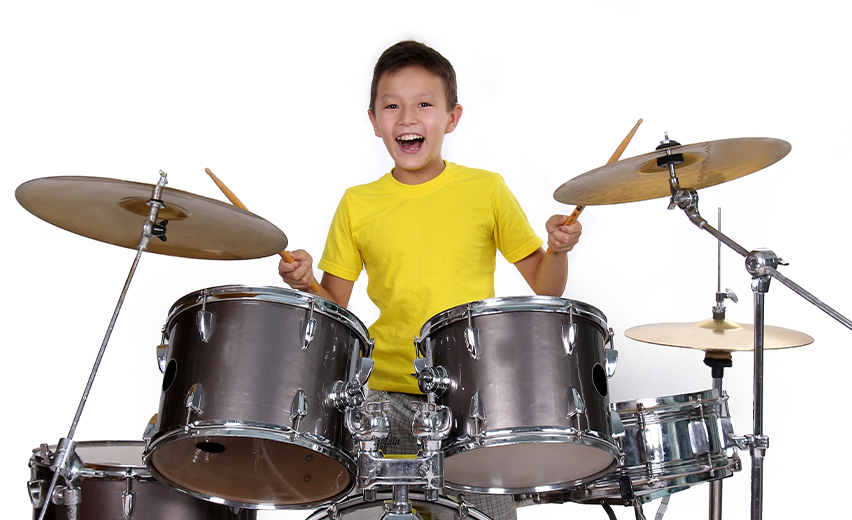
Seeing your child humming, tapping the table, or headbanging doesn’t always mean he is ready to take drum lessons yet. However, this indication may be your stepping stone in honing a special music skill for your child. There are several considerations that parents like you need to contemplate when enrolling their children in a music school, specifically drum lessons for kids in Singapore. 1. When is your child ready? Based on our extensive research, drums are the easiest musical instruments to pick up and learn. Drums are also ideal for students of all ages. However, kids between ages six to seven are the easiest to teach drumming for kids lessons because these ages are where most students gain their needed mental focus. However, do you discern whether your child is ready to hold his first-ever drum sticks? Well, we suggest that you look for deliberate signs such as body language. If you suddenly saw your child pick up the stick and hold it the way a drummer should, this could already be a sign. If he can count up to at least for, maybe he can already understand the basic drum notion, which uses basic counting skills and timing. Your child must also have a basic rhythmic ability, dedicated focus, and enough maturity level to commit. 2. Basic drumming skills that will be developed In enrolling your children in basic drum lessons for kids in Singapore, here are the most basic drumming skills that will be developed: Gripping the Drumstick Gripping is actually one of the most basic drumming skills that every drummer kid must develop. Gripping the drumstick determines how well a drummer controls the drum stick. Balancing your grip with the stick also determines how well you can balance your every stroke and every beat. There are various gripping techniques that a drummer kid may use, like the American grip, the traditional grip, the German grip, and the French grip. Nonetheless, every drummer kid must establish a good fulcrum. Basic Drum Beat You can’t let your kids play the drum the way they always wanted it to be. Sometimes, letting them smash their sticks with the drums to express their mood or feelings is good. However, letting them do this all the time may not be beneficial for their ability to focus on their basic drum beat. Enrolling in a music school may help them develop this skill. After a few drumming lessons, they will play with the cymbal pattern using hi-hat or ride cymbal, and even move to learning other timbres using the rim of the drum, tambourine, or cowbell. Stroke Technique Music schools will also help your children develop essential stroke techniques like rebound and controlled strokes. The rebound stroke is great for building speed, while the rebound stroke uses stops, following almost the same motions and techniques used in rebound strokes. These techniques will help your child focus on relaxation, the economy of motion, and accuracy—all essential in developing their drumming techniques. Developing Rudiments This is where the best music school comes in handy. You may teach your child any drumming lessons through video tutorials or any other ways. Still, only music school can teach him the rudiments of drumming. Rudiments are the most critical skill that needs to be developed because it develops every drummer’s proficiency. Music schools often teach kids the basic rudiments like closed and open rolls, paradiddles, and flams. Reading Sheet Music Without a professional drumming teacher, you won’t be able to let your child or even any adult understand the ideals of reading a piece of sheet music. This is not as easy as it sounds, so professional help is always needed to learn this skill. You can’t exactly expect your child to be like Nick Cannon in the 2002 film Drumline, where he learned to play the drums by listening without even knowing how to read the music sheet. 3. Essential beginner drumming techniques Here are the essential techniques that a beginner drummer must always know and follow: Select and set up your drums correctly – a poorly constructed drum set will restrict yourmovement and fluidity around it. Misfit drum sets may also affect your playing techniques, so choose the best size and drum set for your child. Don’t hold your drum sticks too tight – learn how to control your music and every beat by learning how to control how you grip your sticks. The Matched grip is the most common, but you can also learn other types of grips. To hold your stick, you must make a gun shape with your hand and hover it above your snare drum, palms facing up. Balance the stick using your index finger’s first joint, relax your thumb, and place it on top of the stick. Wrap the remaining fingers around the stick with your palms, facing downwards. Build Muscle Memory – most beginner drummers want to play fast to release everything they want to convey to their listeners. Frequently, they also get carried away. However, it’s always essential to practice building your muscle memory first. Allow yourself to grasp this new technique to further your drumming skills. There are still other essential techniques that need to be learned and mastered. However, the most critical thing to be taught to children is how to value their parents and improve their communication skills through learning how to play the drums. Conclusion Discovering and developing your children’s skills in their early years is a better way to take the first step in turning them into the best that they can be. Music can improve their confidence, listening skills, patience, focus, and even mental abilities. It’s always best to help them unlock their musical skills through proper guidance. Therefore, why not enrol them in the best drum lessons for kids in Singapore to teach them the basics. If you are unsure where to enrol your child, you may check out the best drum lessons for kids Singapore offered by CRISTOFORI, one of
Is The Violin A Difficult Instrument To Learn?
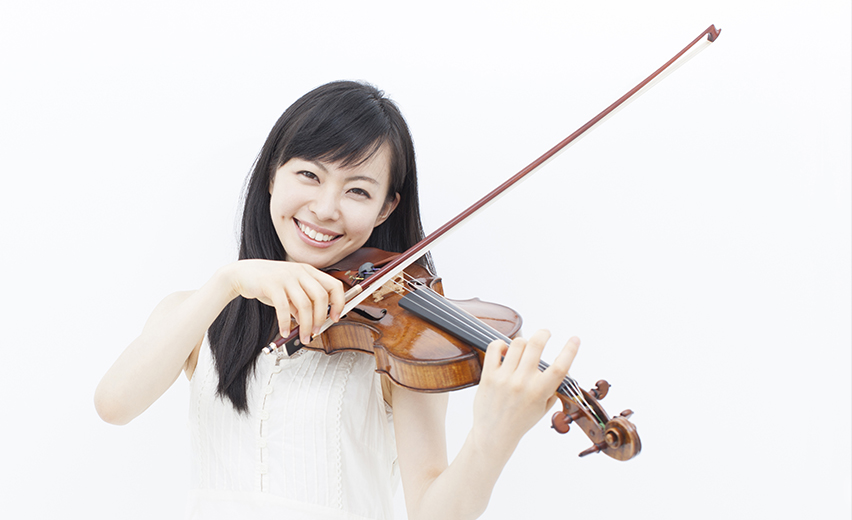
You might be wondering whether learning the violin is too late for an adult like you. As most musicians claim, children start learning this string instrument at an early age because it is challenging to learn and master. It takes years of diligent practice and determination to master the art of playing this musical instrument. However, is the violin really a difficult instrument to learn? A straight-up answer says, yes, it definitely is. However, there are tons of violin lessons in Singapore that you can take today to make learning the violin easier, faster, and more fun. Through these lessons, you will realize that the violin may not be as hard to understand as most people imagine it to be. WHAT IS A VIOLIN? Violin is a four-stringed musical instrument of treble pitch, played using a horsehair bow developed in the 16th century. The classical European violin features four strings, a round body narrowed at the middle, and two f-shaped sound holes. Although the violin originated in the western classical music scene, this musical instrument has adopted various genres like classical, Bluegrass, Fiddle, Folk, Jazz, Country and western, and Celtic. Some violinists even mix classical music with pop music. HOW DOES A VIOLIN WORK? If you haven’t tried playing the violin yet, you might be wondering how this musical instrument works. It does have strings like classical guitars and ukuleles. However, you won’t need to strum or pluck its strings to create a sound. How does it produce its sound? A violin produces its sound through vibrations from a bowed string transmitted to the top and bottom plate through the instrument’s bridge when moved in a circular motion. This vibration reverberates within the hollow body, producing the rich, brilliant tone of the violin. It is crucial to learn how to move the violin’s bowed string to create tension and standing waves. The range of simultaneously produced harmonics affect the timbre, but only the fundamental frequency is heard. How can I play it? To play the violin, you must learn the necessary position in holding the instrument. The violin must be trapped between the chin and the shoulder to stabilize it. A violin features a chinrest, which supports the instrument and plays a significant role in improving playing techniques. The bow is generally held in the right hand and pinched between the fingers. Bowing determines the length, tone, volume, and other characteristics of the note. TIPS FOR LEARNING THE VIOLIN To help you make learning the violin a pleasurable experience, here are some tips that could help you understand the basic techniques. Practice The adage, “Practice makes perfect,” may sound cliché to some, but this method works wonders all the time. Through diligent practice, you get to determine your strengths and weaknesses. What areas need improvement? Most people also learn better when they do what they want to know. Practicing to play your violin whenever you have extra time would be beneficial. It increases the chance of mastering the techniques and methods needed to produce better music. Practicing the violin is the key to perfecting it. Get a mentor To perfectly play the violin, you may also get a mentor who can help you learn the most basic up to the most cutting-edge techniques that you must know in playing this musical instrument. You may opt to get a professional tutor that would give you a comprehensive violin lesson. Experienced tutors are usually high-quality instructors and top artists at their chosen instrument. Professional mentors or teachers will be a huge help for your violin learning journey. Track your progress When attending a violin lesson in Singapore, you’ll notice how your professional trainer tracks your every progress. Following your day to day progress usually dictates how you should be learning a particular technique or how long should you be learning a specific lesson. Your track record also suggests which strengths and weaknesses should be addressed. CONCLUSION Violin may be considered as one of the most difficult musical instruments to learn, but with practice, hard work, and perseverance, you’ll most likely learn how to play it in no time. However, we think that it’s better to start learning how to play the violin as early as possible. So, if you know someone who wants to learn how to play this classic instrument, tell them to start enrolling in violin lessons in Singapore now. If you want to have a professional tutor, you can go to CRISTOFORI; a global music company cited as the No. 1 Children’s Music School by Singapore parents. CRISTOFORI’S comprehensive violin course structure teaches basic techniques to ensemble enrichment, an excellent introduction to the world of violin playing. This music company welcomes people who want to learn the violin regardless of their ages.
Ukulele Beginner Lessons – Learn to Play and Tune

You don’t have to be Hawaiian to strum that beat or tap that tune. You only need a fine-tuned ukulele that will create that upbeat music. Before enrolling in Ukulele Lessons in Singapore, why don’t you learn how to tune and play your ukulele as if you’re on the Hawaiian beach, singing your Aloha and Mahalo first? This beginner’s guide will help you take that first step everyone is most afraid of. A brief introduction to the ukulele Everybody knows that the ukulele is a unique Hawaiian instrument. However, this instrument originated in the Portuguese braguinha, a small Portuguese four-stringed instrument in the European guitar family. When sugar plantations became a major economic force in Hawaii in 1850, the workforce became scarce. Hence, waves of immigrants came to Hawaii’s islands, including many Portuguese who brought their cavaquinhos or braguinhas with them. According to research, Hawaiians became fascinated with the braguinha on August 23, 1879. When Ravenscrag, a ship that arrived in Honolulu Harbor and released its passengers. Using his braguinha, one of the passengers began singing songs of thanksgiving. Those songs were dedicated to his safe journey and as a sign of gratitude for reaching his destination. How to Tune Your Ukulele To manually tune your ukulele, you only need to master four easy steps. First, you need to learn the layout of your instrument. As this is different from other string instruments like guitars, it needs a different tuning process. Memorize the string pitches, and identify whether the ukulele you have is a soprano or tenor ukulele. And then, locate the tuning pegs by holding them with the fretboard pointing upwards. Next, you need to find the string locations you want to tune. Lastly, find the frets, start turning the tuning knobs and press the string against the fret as you pluck it. Listen to the sound it produces and identify whether it’s in the right pitch. How to Play your Ukulele To play your ukulele, you must learn how to have a good footing and hold your instrument correctly. In most Ukulele Lessons in Singapore, this is one of the first lessons they teach to beginners. Ukulele Lessons in Singapore also teach you how to hold the instrument while standing or sitting correctly. The way you hold this instrument affects your music. Next, you need to learn your thumb strum and your first chord. The strings are numbered 4-3-2-1 from top to bottom. Place your fingers between the frets. Then, gently stroke the strings with the pad of your thumb, one at a time. In ukuleles, you can strum however you may like as long as you’re comfortable. Strum the strings together. Learn how to play a song with simple chords and practice. Make music, play with the instrument, and you’re good to go. Ukulele vs Classic Guitar The difference between the Ukulele vs Classic Guitar lies in their sizes, the number of strings, sounds they make and how to play them. Ukuleles are smaller in size than classical guitars. They also feature fewer strings and produce a lighter and brighter sound. A ukulele is easier to carry since they are smaller, so they are more likely a better companion when you’re travelling. A classical guitar has six strings, whereas a ukulele only has four. Hence, the fretboard of a ukulele is also smaller, so it’s easier to grasp. Tuning these instruments is also dissimilar because they have different chords and a different number of strings. A Beginners’ Guide To The Ukulele Tuning In this beginner’s guide, let’s start tuning your ukulele in a more well-explained way. To begin with, let’s start with its strings. Ukuleles have four strings, the G (4th string), C (3rd string), E (2nd string), and A (1st string). The C string has the lowest tone, while the A string has the highest tone. First, tune the G string, the closest string to you. Next, place your finger on the second fret on the tuned G string and play an A. After tuning, do the same step but play a G on the E string. The E must match the G string’s tune. Do this step again, and play an E on the C string. Lastly, the C string must match the tune of the E string. If you find it hard to tune your ukulele manually, you may also use an electronic tuner. It will automatically play a tone you have to match or analyse the string’s pitch and tell whether the string is sharp or flat. It will guide you better, in case you haven’t found the best Ukulele Lesson in Singapore to enrol to, yet. How to Play the Chords To play the ukulele’s chords, you can either use the strumming method or the fretting method. Strumming is more familiar and easier to learn, especially if you already know how to play the classical guitar. Strumming is the backbone of playing the ukulele. Learn the different strumming patterns involving the up or downstrokes. Here are seven strumming patterns that you can try: Down – Up – Down – Up (the most basic) Down – Down – Up Down – Down – Up – Up Down – Up – Down (also called the triplet pattern) Up – Up – Up – Up (for a bright, jumpy sound) Down – Down – Down – Down (for a more authoritative beat) Down – Up – Up You can strum without a pick, using your thumb or index finger, or even a combination of two. You can also strum using a pick if you want to protect your thumb or nails. Pro tip: Keep your wrist loose because it helps create a more pleasing tone and make the chords sound better and less choppy. CONCLUSION Learning how to play the ukulele is fun and easy. These instruments are also fun to play with, whether you are alone or with your family and friends. Ukuleles are also budget-friendly. If you want to buy an
How To Make Piano Learning Interesting

It’s challenging to learn something that you aren’t passionate about, especially when you don’t have a strong reason for learning it. Learning piano in Singapore might be challenging for some children, especially that it can get tedious or dull over time. However, the joy of learning music is always inevitable. Learning music is fun. Once children have grasped the basics of playing the piano, they will most likely enjoy playing the instrument in the long run. Every song they learn becomes a personal achievement, encouraging them to listen, learn rhythm and notes, and even sing along. However, the first step of converting your children’s disfavour into loving every piano lesson in Singapore is always the hardest. There are tons of ways on how to make piano lessons interesting, but which of these ways always works? Ways on How to Make Piano Lessons Interesting Whether you are a parent or a piano teacher, you need to think of something fresh, out-of-the-box, and creative ways to make every piano lesson interesting. You need to help the students focus better, train their ears, and get the most out of their piano lesson time. Here are some things that could help you make your piano lessons full of life. Allow the student to improvise new tunes and play their favourite songs. Working in a restrictive environment isn’t only stressful and nerve-racking; it also impedes the teaching and learning process’s success. So before you start with your piano lessons, you need to keep a pleasant environment for everyone first. One thing that could help you do this is to allow students to improvise new tunes and play their favorite songs. Improvisation is an essential musical concept that students need to grasp as early as possible. It is a fundamental concept that teaches students various skills. To use improvisation techniques that can make learning more fun, you can utilize the Circle of fifths and apply exciting games to your lessons using your students’ favorite songs to get them excited. Incorporate other learning techniques and variations such as singing and rhythm Incorporating other learning techniques and variations such as singing and rhythm can also make learning piano interesting. You can create a quick 4-chord progression in some digital apps like TinPanRhythm. You can also use a pentatonic scale to improvise on the piano while it plays. Add in challenges to keep students eager to learn. You can also add challenges to keep your students more eager to learn during their piano lessons. You can upkeep the game by shutting off the lights and then let your students play their most favorite songs. You can encourage them to practice harder so they can perfectly recreate the pieces in the dark. You can also challenge them to switch seats with you. Ask them to find and correct your “mistakes” while playing the piano. They can even direct the activities or choose the songs that they think they could teach perfectly. Incorporate games into the lesson Incorporating games into the lesson is one of the best ways to make every piano lesson in Singapore fun and entertaining. Every child loves playing games. It challenges them but in a more fun way. Games take out the boredom in every lesson, so why not use them to your advantage? You can use games such as Note Memory Game, which is based on note memory. The Rhythm Ball Game is also an excellent game that you can use, which uses a ball to establish a student’s ability to count evenly. Another game is the Note Scavenger Hunt, which makes the students go around and explore the room, asking them to place the measures in the correct order. You can also use online piano games that are digitally available for downloading, which the students can play even at their homes’ comfort. Establish milestones and awards You can also establish milestones and awards to give students a sense of accomplishment and get them to work towards a common goal. With this, you can develop teamwork, cooperation, and camaraderie amongst your students. You can create a group piano class in singapore via an online video conferencing platform instead of the traditional one on one piano lesson. Some children learn better when they work with a team because they can engage in their craft with others. Some children find it a little bit lonely to learn the piano, working out rhythms and notes by themselves without having anyone to talk to. Why You Should Make Piano Learning Interesting You should make piano learning in Singapore interesting because it is beneficial for students. When a piano lesson is exciting and fun, jam-packed with innovative ideas, it could help stimulate their brain, improve their social skills, accountability traits, and hand-eye coordination. It could also teach children patience, help with discipline, promote creativity, reduce stress and anxiety, and help boost self-confidence.