
The Best Way To Learn Piano in 2021
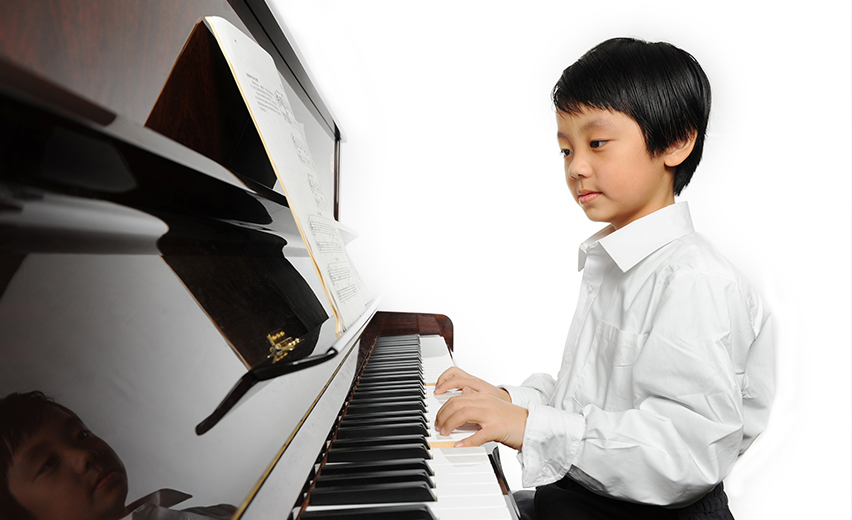
Falling in love with music is a natural phenomenon for millions of people in the world – and the piano is one of the most popular ways that music is expressed. If you’ve got yourself a new piano, it’s time to learn how to make some beautiful music! However, that’s often easier said than done – there are so many things to learn before you will be able to play a complete song on the piano! If you’ve ever wondered what is the best way to learn piano by yourself, or what is the best piano learning app for adults, this article has got you covered! Piano Lessons: Still The Best Way to Learn Piano You can learn a lot about the piano on your own. But this can limit your progress, and you’ll soon find that your learning curve is slow or even hindered. Sometimes it helps to find a teacher to help you learn! Finding an expert will give you a partner in your learning. They know the tips and tricks that can help make your learning process easier. You also have someone that can look over your shoulder to make sure you are doing things right. Sure, you may be producing the sound you’re going for when playing your music. But are you using the proper technique? A teacher will be able to make sure you do things right, so you don’t have to correct yourself in the future. It’s easier to learn the right way to do things the first time around! What are the Other Best Ways to Learn Piano? Learn The Basics It may seem obvious but start with the basics. Sometimes we want to jump straight in and try to see how far we can go in the beginning. But if you don’t start simple first, you can burn yourself out from failure or injure your hands because they don’t have the stamina to handle more complex music. The first thing you need to focus on when playing is posture. You will be doing a lot of repetitive motions. Good posture will help reduce the strain on your hands and wrists when you are playing. Once you are sitting correctly, focus on learning the basic techniques. You need to perfect your form in the beginning. Once you have learned proper form, focus on learning the primary rhythms and cords that make up the songs you want to practice. Set A Practice Schedule and Stick with It Practice makes perfect. If you don’t invest the time to learn a skill, then you aren’t going to go anywhere with it. If you want to become good, then you need to put in the hours. Try to practice the same amount of time every day and don’t stop. The more work you do, the better you’re going to get. Apply The 80/20 Principle The 80/20 principle has become popular in business and skill development. It’s a simple principle when you take a look at it. The idea is that 80% of your progress will come from 20% of the work you do. How does knowing this help though? Don’t put all your efforts into learning every piano skill you can. Only focus on the skills that once you master will make everything else you learn easier. You can also use this principle to play the music you want to focus on. Chances are what you want to play only uses a subset of the types of playing out there. Focus on what you need to know to play the music you enjoy. Play In the Beginning You aren’t a master musician yet. It’s okay if you don’t play your music fast. Before you start working on speed, make sure you are accurate. Spend your time making sure you hit all the right notes. As you rack of practice time, muscle memory will start kicking in. When this happens, you should see your speed begin to get better. Until then, take things slow and do things right. Practice with Music You Enjoy You didn’t start to learn a new instrument to have a miserable time. You want to have fun. When you practice, make sure you are working towards progressing with the songs you love. Pop is an easy genre of music to pick up. This music has simple melodies that aren’t hard to understand. They’re catchy too and won’t be too dull to keep playing. There are also several beginner piano songs that are catchy and good for practice. Learn what these are and use them to practice your technique. Choose CRISTOFORI for your beginner piano lessons Piano lessons at CRISTOFORI is the best way to learn piano in Singapore, hands down. With over 40 years of teaching and 200,000 successful students, we have created an education philosophy that takes the Whole Person Theory approach that focuses on three aspects: academic skills, learning skills and the awareness of the training process itself. In other words, our students are trained not to be spoon-fed but to seek knowledge and help actively. They find out how to concentrate, learn and organise information into knowledge. As such, students will gain analytical skills, concentration, and abstract thinking skills. Over the years, we also held firmly to our belief of producing quality musical instruments and selling them at the most reasonable prices. Find out more about our piano lessons in Singapore!
When is the Best Time to Start Piano Classes for Kids
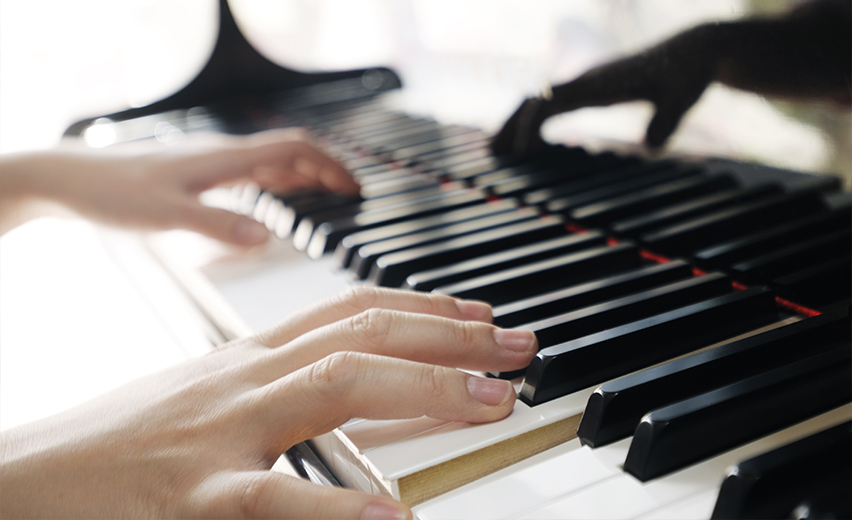
A piano is an acoustic, stringed musical apparatus that originated in Italy around 1700 by Bartolomeo Cristofori. Struck by wooden hammers coated with a softer material are their strings, while modern hammers are with dense wool felt. Some early pianos used leather. They played it on a keyboard, a row of keys (small levers) that the performer presses or strikes with their fingers and thumbs on both hands to cause the hammers to strike the strings. Aside from the gift of listening to your young child plays a song that they’ve mastered from piano class for kids, there are numerous advantages to your young child learning piano. Playing the piano and taking lessons can certainly help you how to teach a child to play piano. What Age Can A Child Start Piano Lessons Typically, the best age to begin piano lessons is between age 5 and 9 years old. While older students may have an easier time learning to play, students as young as six years old can also go for piano class for kids because the piano keys are simple to use. Even very young children under the age of five can begin to explore the piano, depending on the student. After all, Mozart famously began playing the piano at the age of three! Piano Lessons for Kids aged 3.5 to 5 Years Old in Singapore Piano lessons are more than just an opportunity for children to learn about music; recent research has shown that learning to perform the piano has a significant impact on a child’s brain and provides them with various benefits that will last a lifetime. By learning how to teach a child to play piano, you can boost a child’s chances of success later in life. Piano Lessons for Kids Singapore New students begin with a foundational series of lesson books. Each book takes a student through another stage of learning how to read music, understand music theory, and play the piano. Additionally, for fun and variety, special music such as classical, jazz, and popular songs are interspersed. Introducing new music allows the teacher to learn more about the student’s musical interests in the class, Piano lessons for kids Singapore for future improvement and personal enjoyment. In fact, CRISTOFORI uses the much-awarded Piano Adventures® lesson book for our children’s piano lessons! It is the teaching method of choice at leading university programs and music studios around the world. This student-centered approach uses analysis, creativity, and expression to develop a “musical mind and heart.” The delightful, pianistic pieces and creative theory pages, combined with an outstanding technical approach encourage practice and progress—with adventure! Transfer Lesson Typically, it appears to be necessary to continue using the same lesson books from previous teachers simply. Then it is decided what It should add additional music, theory, exercise, and sight-reading materials to help student progress. Adult Lesson Adults can go through the same process as beginners and transfers. Furthermore, adults can have a more significant say in the pace of lessons and the types of music played. Adults are not required to join in performance classes or recitals unless they choose to do so. We encourage everyone to share the knowledge of music by performing recitals for family and friends, which can be very rewarding. Virtual Class Lesson To build a safe environment during the Covid-19 pandemic of 2020, all students will have access to virtual lessons. Online classes will continue for as long as it is necessary for the health and safety of all students and the instructor. Once everything is back in the studio for in-person lessons, the piano teachers will use this teaching method to meet various needs, including lousy snow days, health issues, and attendance concerns. This method of taking piano lessons has proven to be very effective and is relatively simple to set up and maintain for students. Participants will often be given a Student Set-Up Checklist along with preparation instructions for beginning their online lessons. It is critical to have the appropriate device, internet speed, and video calling system requirements met for the first lesson. CRISTOFORI’s Graded Examination System and one-of-a-kind academic structure curriculum is designed for holistic well-being in body, heart, and soul, utilizing Cristofori’s 3-Step Learning. CRISTOFORI hosts over 100 events per year, ranging from masterclasses to competitions to concerts. Every CRISTOFORI Music School student has the opportunity to perform in at least one Student’s Piano Recital each year. Cristofori also allows students to compete in competitions such as the Kayserburg International Youth Piano Competition and others. Famous International Piano Competition for Youths The regular piano practice provides players with a variety of physical and physiological benefits. It improves dexterity and hand-eye coordination while sharpening fine motor skills. Music has also shown lowering heart and respiratory rates and cardiac complications, lower blood pressure, and boost immune response. Aside from developing mental and physical capabilities, pianists also enjoy the most famous international piano competition made for them. Japan Piara Piano Competition The Hamamatsu International Piano Competition was started in 1991 in commemoration of the 80th anniversary of the founding of Hamamatsu City. Since then this international cultural program has been held every three years to celebrate the history and tradition of the city of music and musical instruments! This competition is open to all who are born after 1991! Singapore Asia Youth Piano Competition This is a competition that is suitable for all piano students. Fun tip – there are also categories based on ABRSM grades, not just ages! Winners will often be given the chance to join the Finals of Japan’s PIARA Piano competition. Your child can perform their free choice of piano pieces, and/or the ABRSM category and showcase their exam pieces! Online Popular Piano Competition The Popular Piano Competition aims to bring together young aspiring piano players of all nationalities in a celebration of music and passion amid global hardships, and to spread joy and hope into the world! The Online competition medium seeks to overcome all physical boundaries by utilizing technology to its purpose
Learning Ukulele the Right Way
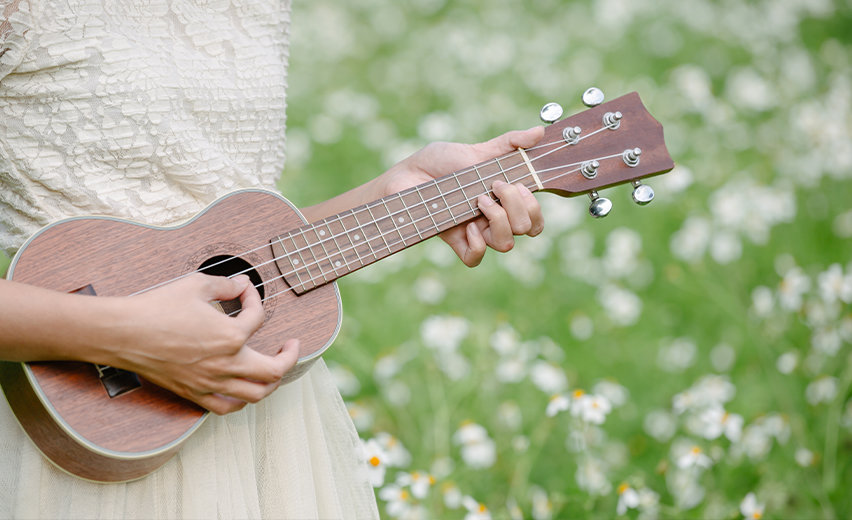
The Ukulele is a four-stringed wooden musical instrument that resembles a small classical guitar. Although English speakers pronounce it “you-ka-ley-ley,” the spelling is an anglicized version of the original Hawaiian pronunciation, “ju-ke-lei-li.” The ukelele is a fun, light-weight, easy-to-learn instrument that can also serve as an excellent introduction to learning to play the guitar. The instrument has a long history and is regaining popularity. Ukelele is also popular with children—ideal for people with small hands. Tips on How to Learn Ukulele A good ukulele practice routine should be adequate, challenging, and fun, whether you’re a beginner or a pro. This CRISTOFORI ukulele practice schedule can help you master a wide range of ukulele skills, regardless of your level of ambition. Start with stretching Stretch your fingers on both hands before you even begin to warm up. Straighten your elbow and extend your left arm out in front of you, palm facing out. Your fingers should all be pointing straight up at the ceiling. For a good stretch, gently pull the tip of your index finger back toward you with your right hand. Hold the stretched area for 10 to 20 seconds before repeating with your middle, ring, pinkie, and thumb—switch, as well as the fingers on your right hand. Warm-up with single-string exercises Begin by playing the first string (the A string) open. Then, using your index finger, press the string down on the first fret and pluck it once more. Rep with your middle finger on the second fret, ring finger on the third fret, and ring finger and pinkie on the fourth fret. You just performed a chromatic line. Play the chromatic line backward. Repeat this with a metronome, gradually increasing the speed over time. Repeat the pattern on the second (E string), third (A-C string), and fourth strings (G string). Work on strumming patterns With your left hand, hold a single chord shape. Cycle through strumming techniques with that ukulele chord in place. Work on the following patterns: down-up-down-up, down-down-up, down-up-down, and down-down-up-up. You can practice these strumming patterns with both your fingers and a pick. Go to ukulele Singapore to learn fingerpicking patterns The best ukulele players are also masters of finger-picking in addition to strumming. Like a banjo or acoustic guitarist, a good ukulele player can hold chord shapes with their left hand and pick individual notes with their right hand, providing rhythmic momentum and variety. Begin with a simple learn ukulele Singapore course for beginners then move on to arpeggios, playing each chord note in ascending and descending order. Practice chord changes with a metronome Make a chord progression with a mix of major and minor chords, then add dominant seventh chords, diminished chords, and augmented chords. The goal isn’t to make beautiful music but to push yourself to improve your fretting and transitions. Set the metronome to a comfortable rate and begin by playing one chord every four metronome clicks. Cycle through the progression until you’re comfortable with it, then double your speed by changing chords every two clicks. Change chords on every click if you want to test your ukulele strumming abilities. Perform a few songs You’ve now progressed to the point in your practice routine where you can play through entire songs. You could work on songs you already know or start from scratch with a new song. You can use CRISTOFORI ukulele songbooks to follow chord charts or play along to recordings and learn the songs by ear. Playing new songs can assist you in mastering standard chord fingering, introducing you to new chords, and improving your strumming patterns. Create a new ukulele song of your own Finish your practice session with some songwriting if you want to create original music. The best songs take ideas from established music and add something new to them, whether melodic, harmonic, rhythmic, or structural. It will take 3-6 months, so keep it in mind to become more comfortable playing songs, possibly less for more accessible tunes. You’ll also have plenty of room for improvement after that. To play this unique instrument, you must first master two skills: chord formation and strumming. The Best Ukulele for Beginners https://eshop.cristofori.asia/collections/ukulele Soprano Colorful Ukulele The Soprano Colourful Ukulele line is an excellent first ukulele to dive in with. They come in an assortment of colors with a classic look that sounds great. An exceptional value to get anyone playing for the first time! Suzuki-SUK4 w/ Case, Strap, Picks and Tuner A trusted ukulele from the Suzuki brand, this is the most popular education musical instrument brand in Japan! This well-known student model comes in soprano size with full sapele body, stylish black strings and is packaged with a tuner, strap, picks and a Suzuki original bag. Moana Series Ukulele Another well-known brand, whose name is now associated with a cartoon, is Moana. They make some of the best quality beginner models of ukuleles. Their ukulele are made from a combination of quality tone wood that expresses fuller, rich tones that’ll amaze most audiences! Greg Bennett UK70 Ns Ukulele Set up and strung with Premium Aquila strings, the Greg Bennett UK70 Concert Size Ukulele is an absolute joy to play! Designed in the USA by Greg Bennett, a renowned designer from Nashville, Tennessee, the UK70 not only looks great, it sounds fantastic and plays great! Beautifully handcrafted from Select Spruce, Rosewood, Ivoroid and Abalone, the UK70 has the tonal quality and appearance of an instrument that should cost twice its modest asking price! The Takeaway At CRISTOFORI, as at other sites offering online CRISTOFORI ukulele instruction, we offer lessons to help beginners get started. Our ukulele school stands out for our technique, theory, play-along songs, and complete tabs for every song! CRISTOFORI regularly runs ukulele lessons during the school holiday season – take the time to kickstart you or your child’s love for the ukulele! In fact, we provide ample perks such as free ukulele materials! Our ukulele group lessons are the perfect way to get started
Learn Violin Fast: Get Better at Playing Violin
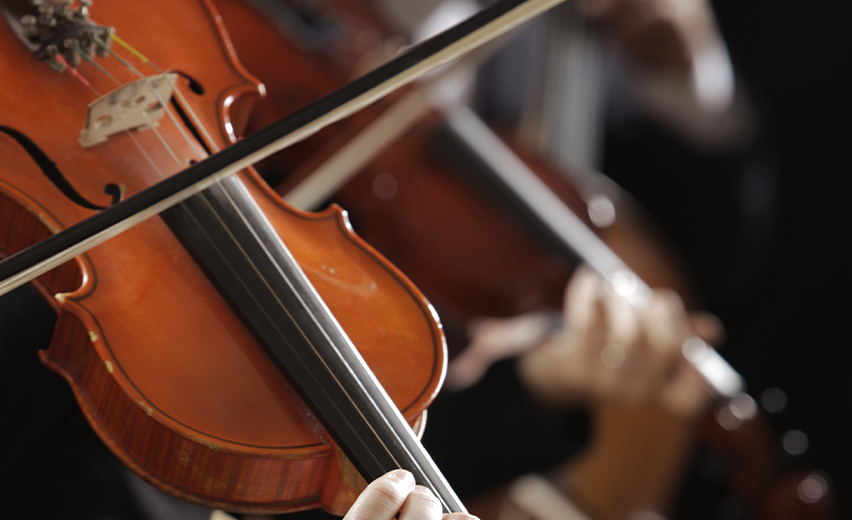
The violin is a bowed stringed instrument that evolved during the Renaissance from earlier bowed instruments such as the medieval fiddle, the lira da braccio, and the rebec. The violin is most likely the most well-known and widely distributed musical instrument in the world. Many adults want to learn to play the violin. However, there is always a preconceived notion that prevents them from doing so: I am too old to learn music. Learning music is frequently misunderstood as being only for children. In fact, adults can learn quickly and thoroughly too which is why it is recommended to learn violin Singapore. Violin Lessons in Singapore for Adults Violin class for adults improve memory and cognitive abilities. Many studies show that even a year of playing the violin (or other musical instruments) improves your brain’s memory capacity. It can also help you with your reading, language processing, speech, and attention span. Children and teenagers who play the violin have better verbal and visual pattern abilities than those who play other instruments. Technique instruction Another important aspect of playing music is a technique, or how you approach an instrument to produce high-quality sound. It is an essential part of learning to play. Look for video instruction where instructors take the time to demonstrate proper techniques for playing your instrument. Bit by bit Music elements are taught bit by bit in most traditional classrooms. An approach that allows you to grasp the elements by building as you go gradually. However, until you have studied for a long time, you will never get a big picture view of how all these points of the elements relate. An approach for you Violin instructors often designed the information presented at the workshop on essential music theory elements to give you a bigger picture of the studied component. You will begin with a big picture or overview of the element before delving into each component that makes it up. Then you’ll begin applying your knowledge and putting it together in a way that allows you to assimilate the pieces quickly. It accelerates your understanding of these music theory elements. Learning to play a musical instrument is always a rewarding experience. Playing an instrument can help you improve your memory and attention span, improve your posture, relieve stress, and develop your sensory abilities. You will be amused to know that there are many excellent, lifelong benefits to playing the violin and that learning to play it, like any other endeavor, requires the right tools and the correct instruction. The first step in becoming a violin beginner is to obtain a violin. The violin is available in a variety of sizes, depending on the age of the student. When buying a violin, it usually comes with a violin bow, a violin case, and violin rosin. Other accessories, such as a violin shoulder rest, music stand, and violin mute, will also be helpful. Learn Violin Singapore: The Basics Due to the physical demands of the instruments, the violin has a steeper learning curve than all other instruments in the beginning, possibly even more so for young children. Below are a few essential tips to keep in mind that must master early on to ensure a smooth learning journey on the violin. Posture When learning the violin, it is critical to hold the instrument correctly. It is critical to have good posture when holding the violin and the bow because it is the foundation of a good violinist. Be sure your shoulders are relaxed and not raised. Tilt your head to the left slightly so that your violin rests on your left shoulder. Check that your right thumb is curved, your pinkie is on the bow, and the rest of your fingers are relaxed while holding the bow. If the weight is too heavy, use a pencil to practice the right-hand posture. Pizzicato and Arco The four strings are one of the fundamentals of violin playing that you will learn. When practicing holding the violin, you can do a few pizzicato exercises, which involve plucking the string with your right index finger to become acquainted with the four open strings on the violin. G D A E is the open strings on the violin (Left to Right). A mnemonic: Great Danes Are Enormous is an easy way to remember. Fingerings Following a series of lessons on the open strings (G, D, A, E), one of the next steps in violin playing will be some fingerboard exercises. Your teacher will mark your violin to help you identify where you place your fingers on the fingerboard. Placing your fingers incorrectly in the fingerboard can lead to poor pitching, so check frequently and try to memorize it by listening. Finally, when learning to play the violin, it is critical to developing good practice habits. Developing good practice habits will speed up your learning process. It is critical to practice daily, even if only for 20 – 30 minutes a day if possible, rather than only once a week. Slowly perform your practices, recognizing the exercises and patterns that your teacher has assigned you to work on before playing them at a faster speed. Accuracy always takes precedence over speed. Affordable Violin Lessons in Singapore You will learn your violin technique faster if you begin with slow daily practice. Please pay close attention to what you want to achieve in practice, whether it’s sound, articulations, dynamics, or phrasings. Beginner Level This is recommended for people who have never played the violin before. The curriculum is to teach beginners how to play the violin. Typically, it is a one-on-one class. It is an effective learning method for both children and adults. These CRISTOFORI violin lessons fee cost between $45 and $65 per lesson. Pre-Intermediate Level These are lessons for the pre-intermediate level, and they are usually one-on-one lessons as well. It would help if you mastered scales such as C major, A minor, and G major. Aural assessments are included, as well as more
The Complete Guide to Taking Drums Lessons in Singapore
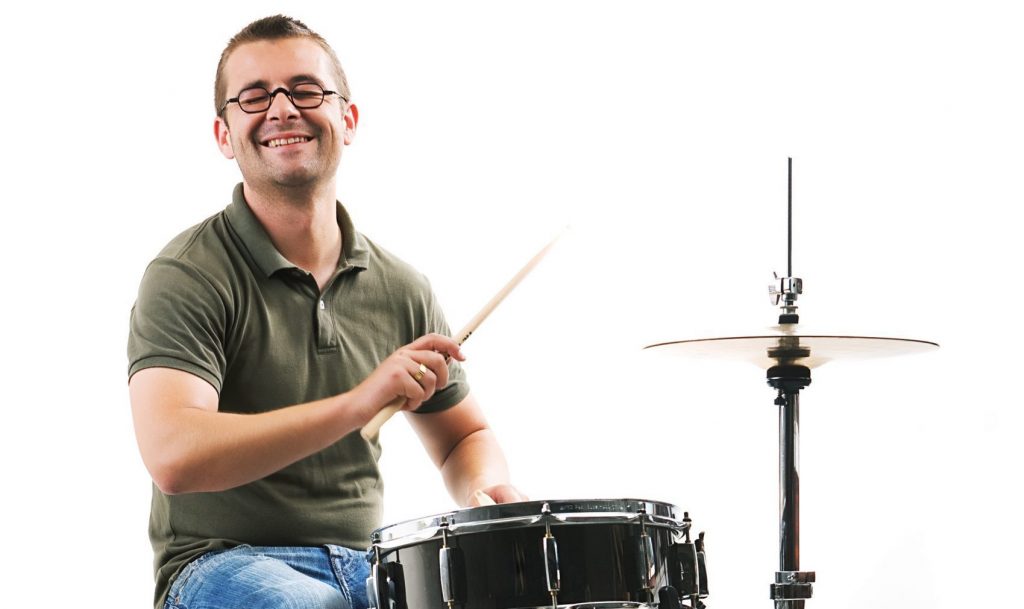
A drum is a musical instrument whose sound is by the vibration of a stretched membrane. It is a membranophone within the larger category of percussion instruments. A drum is essentially a tube or a bowl of wood, metal, or pottery covered at one or both ends by a membrane, and the person will be playing it with a hand or a stick. Drum Lesson Singapore: The Basics You can improve skills that will help you become a better drummer by practicing. Drumming will also help you excel in many other areas of your life that require rhythm, memorization, and hand-eye coordination. Drumming can improve your performance as a student, partner, and employee. Timing When a drummer lacks timing, he throws off his entire band, and no matter how good his bandmates are, they sound terrible. Consistency Apart from playing a beat, a drummer must also play that same beat consistently throughout the song because the repetitive nature makes a song catchy unless you’re playing progressive music. Dedication Because dedication brings a drummer or any musician to the level he or she desires, there are no shortcuts. You can’t just hold a pair of sticks and expect to be Mike Portnoy; practice makes perfect. Set aside at minimum an hour per day to get started, and you’ll be rockin’ in no time. Learning how to count music can help your child’s math skills. You should spend two hours on your drum pad for every hour spent in drum lessons. With dedication, aptitude, and hard work, you will be able to learn and play the drums properly – which is a duration of 10 months to 1 year, and to become skillful in 18 months to 2 years to become truly proficient. High-Quality Drum Lessons in Singapore If you’re not sure how to properly establish your drumming journey, then this article will help. To make things easier for you, dear beginner drummer, looking for advice and tips in a step-by-step tutorial. Follow these steps, and you’ll be able to play the drums in no time. Learn how to hold drumsticks It’s time to start practicing. To do that properly, you must first understand how to hold your drum sticks (don’t worry, it’s a simple one): Start by raising your hands at your edge and placing one stick in your right hand with your left hand. Next, press the stick with the flat part of your thumb and wrap the rest of your fingers around it. You can now proceed to place the next drumstick in your hand. It would help if you gripped the drumsticks behind the balance point or in the middle of the stick. Although there are a few different methods to use your sticks to execute your drums, you’ll have enough time to experiment and figure out what works best for you as a beginner! Understand rudiments You’ll be ready to play your first essential rhythm as a drummer at this point. Don’t worry; it’s not difficult; it just takes some time to adjust. Also, don’t dismiss this fundamental. While you’re only performing the snare drum – or your practice pad or cushion – right now, you can later make this one simple rhythmic pattern sound like this. Get to know your drum kit Once you’ve purchased your first drum kit, become acquainted with its various components. It is required both to play them like a pro and to care for them. CRISTOFORI is having an offer where if any of their customers purchased a Digital Drum, it comes with a complimentary 45 minutes product coaching where their staff educate on the uses and functions of the digital drum itself. Find a good teacher Finding a good drum teacher is perhaps the most critical step in learning to play the drums for beginners. Seek out friends to play with together As a beginning drummer, it is essential to surround yourself with other drummers. It will not only allow you to share your thoughts and opinions on your progress, but it will also encourage you to play together and improve your skillset. Plus, you’ll meet new people in the process. So look for a community drumming group, a school or community orchestra, or a brass band in your neighborhood. Then come together and let the magic happen. Practice reading drum sheets It is the final and optional step, as technically, you do not need to know sheet music to play the drums. On the other hand, you learned to read sheet music. Most music groups, for example, essential that every musician knows their part – and this is much effortless to achieve if every player can read what’s on their sheets. It saves you from memorizing the songs of a local band, which can take several weeks before you can even begin to play together. Drum Lessons and Music Tutorials CRISTOFORI’s music programs provide a supportive environment in which students of all skill levels can feel at ease while learning to play the drums. In CRISTOFORI, the drums lessons here are conducted accordingly to Rockschool (UK Accredited) Music Exam Board Syllabus, which they are focused on helping out all students from Beginner to Grade 8, to prepare for their Rockschool Graded Music Exam. To immerse all students into the full experience of fun and learning of playing a drum, CRISTOFORI’s drum lessons provide students with the full opportunity to learn by using the 5-piece drum set, instead of simply just playing on a hand drum or drum percussion which limits the learning capability. Beginner It provides beginners with simple yet effective drum lessons that skip entry-level pad training. Students get backing a drum kit during their first lesson to begin learning how to play the drums. Students will learn drum fills and solos fundamentals through private drum lessons, group rehearsals, and live performances. Intermediate to Advanced When a student advances beyond beginner drum lessons, they will enroll in one of the intermediate to advanced drum lessons programs setting
5 Most Common Guitar Mistakes to Avoid for Beginners

Learning the anatomy of the guitar, the names of the guitar strings, how to tune a guitar, and the secrets of guitar posture to help improve your rhythm and musicality. Guitar scales, chords, and songs are essential—and serves as the number one secret to learning to play the guitar quickly. Regardless of what they do, learning an instrument can boost one’s confidence and help develop an open mind to try new things! When your child first begins lessons, he or she will learn the mechanics of the instrument, basic song structure, and technical details about the type of music produced by the guitar. 5 Common Mistakes to Avoid for Beginners Learning to play the guitar, like learning to play any other instrument, is gratifying and challenging. As a newbie, you will make mistakes. However, the key to transforming this into a positive is to ensure that you can recognize your mistakes and learn from them. 1. Not getting a professional guitar setup The second frequent error is similar to the first in that acquiring a professional setup typically results in an instrument that is simpler to play and takes far less effort to produce nice-sounding notes. It would take around five years before you will learn what a professional guitar setup is. For the first five years, playing the guitar will cause pain to your fingers, and that being exhausted after only a few minutes is typical. Typically, your progress will be modest since you will become fatigued quickly. As you may be aware, more incredible practice time indeed equates to faster progress. 2. Going too fast Another typical mistake is playing too quickly. Mastering solid technique takes time, and attempting to play a song at pace after you’ve learned the notes can frequently result in the development of very undesirable habits. Build up to quicker tempos gradually, starting at 50% of your maximum. Slower rates allow you to focus and ensure your technique is on target, rather than merely blasting out at full speed with sloppy technique. One thing to keep in mind is that practice makes perfect. If you practice sloppy technique, you will always have sloppy technique. Flawless practice leads to perfect technique. 3. Inconsistent practice A large part of learning to play an instrument is muscle memory. Consistent repetition is the most excellent approach to make complicated motor abilities feel natural and automatic while performing music and many other activities that involve complex motor abilities. Your playing will develop more if you practice consistently for 15 minutes every day, rather than cramming all of your practice into a single 10-hour period every week. Consistency is the key to muscle memory! It’s the same reason troops go through the same training every day for months on end. 4. Trying to learn too much at once Another error committed by new guitar players is attempting to handle too many things at once. It is especially true for kids, who are highly driven and eager to learn. Being extremely motivated is not a bad thing. Still, difficulties occur when many of us decide to move on to something new before we’ve even perfected the music we were working on earlier. Learning all of your scale shapes and modes is a terrific goal, and if you study hard and are disciplined enough, you will ultimately be able to learn them all. However, it is preferable to excel in one or two things rather than mediocre at a hundred. 5. Getting too caught up with perfection Only machines can play music flawlessly, yet even then, would you prefer to listen to a human or a machine play the piano? Our imperfections and the little peculiarities we pick up while training is what makes us human. It explains why everyone sounds so different; we all have our eccentricities. During performances, we frequently get overly focused on performing everything flawlessly, which tenses our entire body. If you constrain your mind by the need to perform flawlessly, your body will be constrained as well. Because you are unable to liberate your thoughts, you will be unable to move freely while playing. Things to Consider During Guitar Lessons It’s time to try out some chords now that your guitar is in tune and you’re holding it correctly. To begin, you should start with simple chords; the simpler, the better. Start with learning easy songs There’s a reason you need to learn how to tune your guitars. In addition to holding and strumming chords correctly, learning a song with a guitar is what makes it easy for us to sing songs. You don’t want to move on to anything more difficult until you’re completely confident that you can play easy songs. Understand guitar scales The guitar is more than a tool for strumming chords. You can also hear melodies, riffs, and solos. It would be best if you started learning more about scales are for this. A scale is a string of notes that complement one another. Scales with open strings are the best for beginners to start with. Practice the guitar effectively If you’re learning to play the guitar, you’ll need to practice. The best strategy is to eat little and often. Don’t try to cram all of your practice into a single day of the week. For one thing, you’ll be putting yourself through a lot of work. Furthermore, if you only practice once a week, you will most likely forget everything between practices. Set aside a few times once a day to pick up your guitar and practice your basic chords, easy songs, scales, or whatever else you’re supposed to be practicing that week. The Takeaway Spend more time strumming your guitar. You’ve covered a lot of ground in a short amount of time if you’ve made it this far. There are countless possible chords and strums, and now that you know how to form chords and strum, you genuinely have the fundamental skills to play hundreds of songs. Best Guitar School
How To Choose A Good German Piano Shop in Singapore
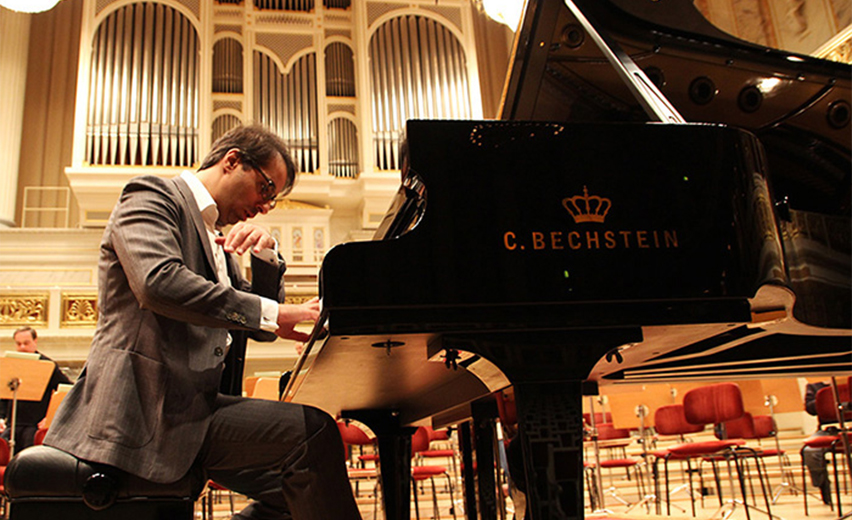
Getting serious about learning how to play the piano is a good sign that you want to advance your music career. However, if you really are ready to embark on your new musical journey, you have to choose the best German piano in Singapore to buy. There aren’t many authentic German piano brands that you could choose from internationally, which makes it harder for you to choose one. But if you are one of those musicians who have a deep love for classical music, choosing a German piano is best for you. However, it would be best to consider essential factors when looking for a German piano in a piano shop Singapore offers. First, determine the piano’s sound, whether you want a bright tone, mellow tone, or round and full sound. Also, consider the overall quality of its tonal quality, length of its warranty, and of course, the brand. What is A German Piano? You might be wondering why there’s this thing called “German Piano.” What difference does it have compared to other pianos? Well, German Pianos have better qualities than other brands. Western music had been the home of pianos since 1685, when Johann Sebastian Bach influenced music history in the West. Bartolomeo Cristofori, an Italian musical instrument maker, advanced the piano’s development in Western music. Zumpe, Stein in Augsburg, Friederici in Gera, Gottfried Silbermann in Freiberg, and many others are among the German pioneers in piano construction. Different Types of Piano Brands There are different types of piano brands made by German instrument makers today that you can purchase through various piano shops in Singapore near you. The European Piano Store or manufacturers regarded as the “big four” are just some of the world’s most renowned manufacturers. They are Bosendorfer, Bluthner, Bechstein, and Steinway. Things You Need to Know About German Piano There are certain things that you need to know about the German Piano in Singapore. Most pianos made from Germany should always have the logo, “Made in Germany.” If you are looking for a Piano Store in Singapore, it is always recommended to look for this official stamp and authentication certificate. Some brands pose as authentic retailers and dealers of a German Piano without this special seal, so you need to be wary. This certificate of quality would be your assurance in having a high-quality German piano. All German shops associated with this seal are distinguished by centuries of experience and tradition and a high proportion of manual craftsmanship. They also assure prestige, successful design, and excellent sound and playing quality of the musical instrument they manufacture. Examples of German Piano Makers German pianos used to have over 80 brands, but it’s getting fewer and fewer internationally. Behind the success of German Pianos are the master of crafts and first-rate manufacturers. Here are some examples of German piano makers that offer high-quality grand pianos at best Piano Price. Bechstein Carl Bechstein founded the Bechstein piano manufacturing company on October 1, 1853. Bechstein had worked in France and England as a renowned piano craftsman before finally hitting it with his piano manufacturing company. His primary aim in building his company was to build strikingly robust instruments to withstand Franz Liszt’s force, a famous musician. The first-ever person to give a recital on a Bechstein piano was Hans von Bülow, a renowned conductor and Liszt’s son-in-law. He played Liszt’s Piano Sonata in B minor in Berlin. Although, during that time, Bechstein was in a tight rivalry between Steinway and Blüthner, it still made a name when celebrities started to endorse the company. Seiler Eduard Seiler founded Seiler pianos in 1989. He was a very accomplished pianist who used his skills and love of invention in handcrafting his first independent piano model. To this date, the one he built in Liegnitz, Germany, remains the standard of all Seiler instruments when it comes to transparency and bright tone. Seiler has also become the largest piano builder in Eastern Germany. However, the Seiler company faced devastation during World War II. The effect of the war made the Seilers lose their home and their parent factory. Fortunately, the company got back on track and still manufactures high-quality pianos for more than 170 years now. What Makes These Piano Brands Exceptional Since WW2, many German piano brands had collapsed. This is the main reason why piano brands and factories become fewer and fewer down the years. However, the Bechstein and Seiler pianos managed to stay in the industry and even flourished as piano brands. Both companies provide top-tier German piano qualities carefully handmade by their workers. Both brands even have work hours recorded for each piano made which can all be found on their official websites. They do not mass produce pianos because they take time to create high-quality Portable Piano. Both pianos are also suitable for Singapore’s hot and humid weather because they most often use Spruce wood in producing their pianos. Spruce woods are high-quality woods usually used in manufacturing most musical instruments. What to Look for in A German Piano Brand Its main factory should be located in Germany They create handmade pianos Suitable for Singapore’s humid and hot weather They use special woods like spruce wood They have a unique R&D Department They have official websites where you can find specifications about their Portable Piano Conclusion When choosing the best German piano, it is always best to consider its tone quality, responsive touch, and aesthetic looks. These characteristics are crucial to note when looking to stock a piano. If you find it hard to look for an authentic and high-quality German piano, you may check out Cristofori, Singapore’s leading piano shop Singapore has to offer. You can choose from their various German Piano Price depending on your budget preference and other characteristics you consider before buying one.
Learn From the Best, Violin Lessons In Singapore

Ever since its birth 40 years ago, Cristofori has thrived to become one of Singapore’s best music schools. Due to its top-of-the-line musical education, thousands of clients had been satisfied with its services. Everything you need to know about violin lesson fees Singapore has to offer can be found on their official website. Since you have clicked this ultimate guide, you probably already know the fundamentals you must understand and learn about playing the violin. And if you’re serious enough, finding affordable violin lessons or private violin lessons Singapore offers must be your top priority right now. Well, you have come to the right place. In this ultimate guide, you’ll get to know the benefits of taking a private violin lesson and the various factors you need to consider before enrolling. Benefits of Taking Violin Lessons Nowadays, almost everyone thinks that learning how to play the violin can be done at home. When technology has started to affect our lives with boundless impact, would learning violin by yourself suffice? Learning through free videos and reading free how-to materials across the internet may provide you essential information on understanding the violin. However, having affordable violin lessons would provide you more insights and critical tips to further your knowledge. Furthermore, taking affordable violin lessons would also help you determine your strengths and weaknesses. It would also help you improve your academic skills, develop your physical skills, cultivate your social skills, and refine your discipline and patience. Factors to Consider Before diving into any violin lesson fees Singapore has to offer, there are essential factors that you need to consider. Through these factors, you’ll unquestionably see whether the course or lesson you are about to take is worth it or not. Price While it’s essential to determine the courses or music school you want to enroll with, considering your budget is also equally important. There are tons of private violin lessons in Singapore right now that offer affordable and surprisingly excellent for beginners to advanced learners. Cristofori is one of the best schools in Singapore that offers affordable private violin lessons that you could take. It offers a beginner-friendly violin course structure that teaches Fundamental Violin Lessons, Graded Violin Lessons, and Violin Enrichment Program. Full Time or Part Time Music Teacher The status of your music teacher may or may not essentially determine the quality of your private violin lessons. Typically, all teachers from Cristofori have ample experience and high-quality skills. They have categorically mastered their own crafts by regularly teaching violin lessons to their students. Cristofori has both full-time and part-time music teachers that have the ability and skills. They could provide you better learning and more in-depth assistance and time. Qualifications of the Teacher Aside from considering the background of the music school, their teachers’ qualifications speak for the quality of services they offer to their students. It is imperative to find a music school that provides teachers with high-quality qualifications such as impeccable experience and educational attainment. The years of experience of a violin instructor could be an essential deciding factor. It usually determines the learning you could get. Remember, seasoned instructors with lots of experience teaching the same skill over the years only means one thing—he has already mastered his craft. Therefore, you will greatly benefit from his teachings. Courses Offered The courses offered by the school would also greatly affect your deciding factor. We always suggest looking for courses that would perfectly fit your level of playing skills. If you are a beginner, taking up lessons for beginners is highly encouraged. Various courses could enhance your skills in playing the violin, so you need to determine which one categorically fits your needs. In Cristofori, the teachers offer meticulously curated repertoire and curriculum that would fuel every learner’s passion and yearning to become the best violinist. They also provide unique opportunities via violin enrichment programs, right after completing their introductory violin course. This kind of opportunity to embark on ensemble lessons, learners are expected to learn the art of playing the violin and intermingle with their musical peers. Teaching Methods There are various teaching methods offered at various music schools in Singapore which could further the skills of their students in playing the violin. Most of the time, these methods are what most students consider in deciding whether they would want to enrol in a music school or not. In Cristofori, one of the most famous methods they use in teaching violin is the Suzuki Method. Shin’ichi Suzuki of Nagoya, Japan devised this special “philosophy” in teaching violin lessons. He encouraged violin teachers to devise their own methods and strategies that would fully suit the capabilities of their students. Is It Worth It to Learn the Violin? Of course, it is always worth it to learn the violin. Music is regarded as a therapy not only to our bodies but even to our souls. It brings joy and serenity that we all yearn after a hard day’s work. Learning the violin could also give you many benefits, such as improving your memory and attention span. And according to various studies conducted on the benefits of playing the violin, even just one year’s worth, taking up lessons could positively impact a child’s retention and responsiveness. If you decide to enrol in Cristofori, you may have a chance to have the opportunity to join their Violin Masterclass besides learning from the usual one-on-one violin classes. This special class typically invites Violin Professors/Master Violin Teachers to teach their students. There are also violin performances such as Students Recital, which any student could also sign up for violin exams. Conclusion: Why Should You Take Violin Lessons? Learning how to play the violin is always fun, especially if you learned it professionally and more educationally. Playing the violin usually requires in-depth skills and understanding the fundamentals of learning how to play the instrument. If you aim to further your knowledge, taking private violin lessons in Singapore is your ideal choice. Regardless of
What You Need To Know About Playing Drums
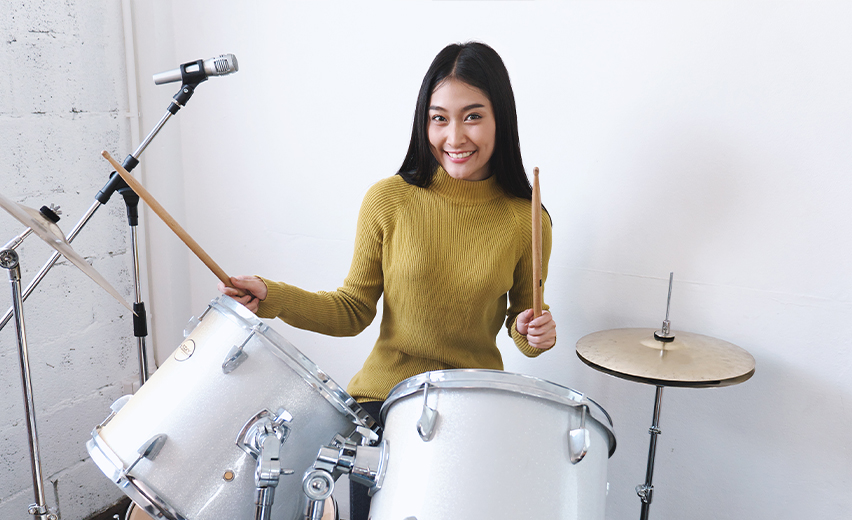
Choosing the right drum set could be challenging if you have no idea what to look for. When aspiring drummers go to a music store to buy their first-ever set, they have too many qualifications, so they always find it hard to choose just one. However, if you know the essential qualities of the drum set Singapore has to offer, you’ll find it easier to find your future partner. Things like space, quality of materials, price, types, and purpose should be your topmost criteria in choosing your drum set. Space limitation is one of the most common problems in a Singaporean household. This criterion usually helps in your decision-making as your house’s capacity dictates whether you’d buy a four-piece or a five-piece drum kit. What else should you know about playing drums? Our team of experts made a comprehensive guide about what you should know about playing drums. How to Play the Drums It would be precarious for beginners to learn drums independently without understanding the process of doing it. If you happen to play the drums without knowing the basics, you are practicing a bad habit that could ruin your musical career. Therefore, our team gathered the simplest but most essential steps to play the drum for beginners to follow. Steps on How to Play Drums 1. Choose your drum set Of course, even before figuring out how to play the drums, you must choose your drum set first. You can’t familiarize the parts in a drum set without having one yourself. As mentioned above, there are certain things that you need to consider before buying your drum set in Singapore. 2. Learn proper Gripping Learning drums on your own could somehow become easier now since you already got your drum set. Now, it is time for you to learn how to hold your drumsticks. Gripping is the most basic drumming skill that every beginner should practice beforehand, as hitting the sticks onto the drums creates the music you want to play. To establish a good fulcrum, you need to grip the drumsticks to control the rhythm of your every stroke and beat. You can try the traditional grip, the German grip, the American grip, and the French grip. 3. Learn Your First Rudiment This part is somewhat tricky. Other drummers think that learning through self-study and video tutorials is enough to learn your first rudiment. However, our team always recommends enrolling in a music school to master your rudiment if you aspire to become a professional drummer in the future. It is imperative to understand those rudiments like paradiddles, closed and open rolls, and flams. These are the most crucial skill every drummer must develop to enhance their proficiency. 4. Learn rhythm and beat In this part, you may or may not use your drumsticks. However, our team suggests using your hands in learning your rhythm and beat for the first time. In fact, you may even do this trick using your thighs instead of the drums. Move your hands and tap them onto your thighs in a seated position. This simple step could help you learn your beat and rhythm as you move your hands while listening to music. Five Factors to Consider When Choosing a Drum Set Budget Drum sets differ in price, quality, and types. Budget is one crucial factor in deciding whether you would want to buy a particular drum set or not. While it is always wise to consider the price tag of the drum set, it is wiser to weigh the price range and its overall quality. Not all high-priced drum sets equal high quality. It is the same with not all affordable drum sets equal low quality. Therefore, as a buyer, you must research essential things about the drum set before purchasing it. Types of Drum Set It would be best if you also considered the types of drum sets you want to purchase. Our team suggests researching each type’s pros and cons to find better what perfectly suits your needs. There are acoustic drum sets, which most drummers choose. Some opt to buy electronic drum sets, hybrid drum sets, and heavy metal and jazz drum sets. These drum sets typically vary on the sound they give off and the materials used in each of them to produce sound. However, if you are still a beginner drummer, we suggest buying a traditional acoustic drum set as it may give a better feel and set up in a less complicated way. Set-up Your place or home space also needs to be considered. If you plan to place your drum set in a large and spacious area, getting a five-piece drum set may be good for you. However, if you feel like your space is a little cramped up for such a setup, getting a four-piece drum set is a more considerable choice. Drum sets typically comprise various instruments and parts like cymbals. Some even come with drum cases that you might want to purchase to protect your instrument at home. Buying Used VS. New This is probably one of the first things that most buyers think about before purchasing their drum sets. Typically, beginners opt to buy used drum sets to save more money by doing so. However, there are far better advantages that buyers could get when buying new drum sets instead. New drum sets may come with a little higher price, but they offer warranties that used drum sets don’t offer. Their life spans are obviously longer, too, since its parts are still in an optimal condition. Purpose Usually, your playing experience holds a crucial factor in choosing the right drum set for you. You could be a beginner or a drummer who wants to follow the steps of your favourite drummers. You also need to identify whether you only want a drum set for your everyday practice or a drum set you could use on stage one day. Let’s Wrap Up If you are preparing to pursue your
Place For Best Piano Lessons In Singapore

Parents naturally want the best for their kids. Hence, if your child showed interest in learning the piano, don’t let the chance of having a professional pianist in the family skip away. Urge your kids to start pressing those keys and making beautiful music and melodies. But would letting them learn and explore at home be enough? Of course, not. It is your responsibility as a devoted parent to find the best place for your kids to learn the piano. And if you wonder about the various piano class for kids fees, you have come to the right place. Having a flawless track record in the music school industry, Cristofori had become the home of exceptional musicians for over 40 years. As of late, there have been roughly 80,000 parents who chose Cristofori piano lessons. They offer a unique course structure specifically designed to address every child’s learning ability and progress through incomparable teaching and supervision. In this ultimate guide, you’ll learn more about the different factors you need to consider before enrolling your child in a private piano lesson. You’ll also learn the benefits he could achieve in doing so and wanting to know about the piano lesson price Singapore typically offers. Piano Lesson at home VS. Private Lessons There are significant differences between learning piano at home and learning piano with a private teacher in schools like Cristofori. If you opted to let your kids learn piano at home, you’d have to consider getting them their own piano. At the same time, most music schools offer musical equipment rentals. The difference between buying a piano and renting out one could greatly affect your finances. If your child hasn’t decided what type of piano he wants to learn, renting out a piano is encouraged. There’s still a chance that he would outgrow, wanting the piano and switching to another one. Besides the finance division, music schools like Cristofori have excellent amenities and full equipment that your kids could use while learning with them. Factors to Consider It’s okay to be apprehensive when it comes to letting your child learn how to play the piano through a private lesson. But fret not, as our musical experts rounded up the most critical factors that parents need to consider when choosing the best place for piano lessons in Singapore. Type of Piano This is one of the most crucial factors you need to determine before enrolling your child in any music school. Determine what type of piano your child wants to learn. Remember, various keyboards have many keys and patterns. There are primary types of piano that you could choose from: the Grand, Upright, and Electronic Piano. Budget and Skill Level Having a specific budget for your kid’s piano lessons is a logical thing to do. Your budget often dictates what type of piano lessons your child needs. Besides budget, your kid’s level of skill in playing the piano is also a crucial factor. Your child’s skill level would determine the course he would need. Cristofori offers three courses that target beginners, intermediate and advanced players. Teacher’s Qualifications The teacher’s qualifications are also important factors that need to be considered. Identifying whether the teacher is a part-time or full-time teacher may also affect the lessons’ learning level and price. Most lessons with a full-time teacher charge more than lessons with a part-time teacher. Full-time teachers are often more experienced, so it’s expected that their lessons are somehow more expensive, too. Courses Offered Music schools vary in the courses they offer. However, most of them offer fundamental lessons targeting beginner learners. In Cristofori, there are three courses offered. First is the Beginner Piano Lessons, which is a lesson for a complete beginner. Cristofori partnered with an international piano pedagogy specialist based in Michigan, USA, Dr. Randall Faber, to develop their Piano Adventure Method. This method aims to teach children and even adults based on their cognitive, creative, and personal development. They also offer the Classical Music Approach. Their academic team constantly researches and updates their teaching materials, methodologies, and tools to time-proof their curriculum. They even partnered with world-leading institutions like the SUZUKI method from Japan, Orff-Schulwerk Organisation from Germany, and Kodaly Method from Hungary. And lastly, they offer a Contemporary Music Approach, which MOE Certified Teachers teach with rich backgrounds. Some of these teachers are instrument-specialists and even have diverse performance experiences as a secessionist. This course comprises a fully-covered progression pathway for their learners, from pure beginner to diploma level. Tips to Achieving Perfect Posture and Proper Hand Positioning In playing the piano, hand positioning is essential. This serves as a fundamental skill that every pianist needs to learn and master. You may learn visually by watching different clips and videos while waiting for your teacher to teach you about it personally. However, if you already have a piano at home and would like to start your piano lessons earlier, here are some tips to have a better hand positioning: Always regard your piano as something you never want to break. Keep your fingers in a steady but lenient position over the piano keys. Don’t be too stiff or tensed. Your thumbs should also touch the piano keys. Your wrists must never touch the piano ledge. Keep your arms relaxed. Don’t put any strain on your shoulders. Sit on the bench edge with your back straightened but not too stiff. Conclusion: Why Should You Take Piano Lessons? The piano had been tagged by many as a challenging but boring instrument to learn. Most people had been putting off their piano lessons. Well, if you are really interested to learn it, it’s about time that you put away your negative thoughts and start learning your piano keys. And if your kids showed any interest in learning it, always give it a go! If you are still apprehensive about taking your piano lessons or your child’s to the next level, you may check out the piano lesson price Singapore offers over