
Niu Niu’s Dazzling Singapore Debut
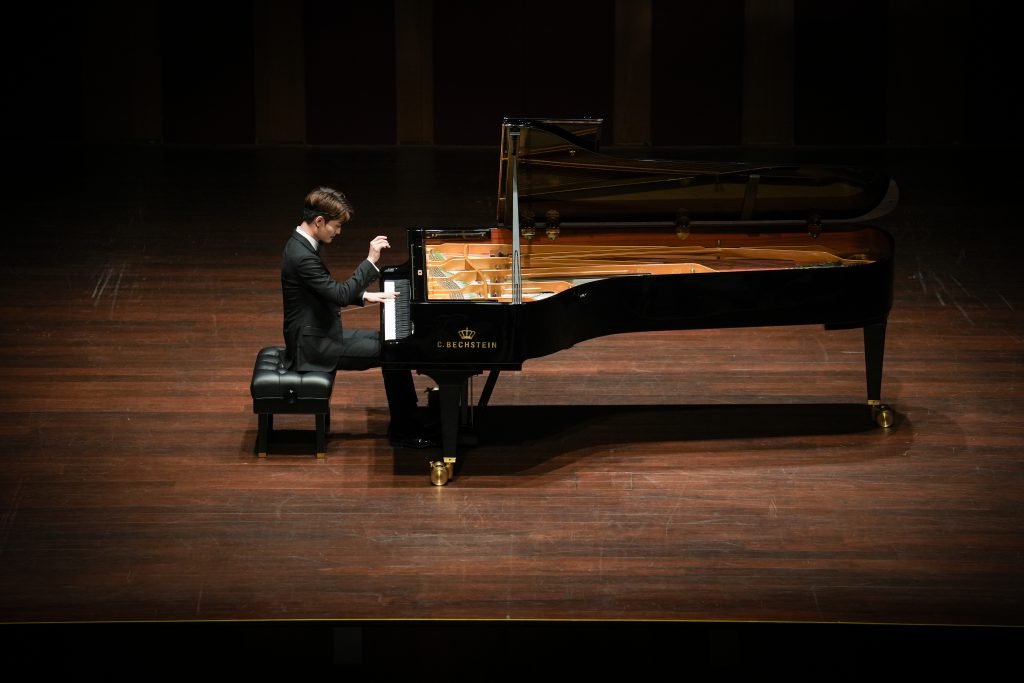
31 August 2025, former piano prodigy Niu Niu gave a long-awaited Singapore debut at the Victoria Concert Hall that was noting short of spellbinding. Performing on a magnificent C. Bechstein D282, he brought the instrument to life with a program that journeyed from sparkling playfulness to towering drama, all while holding the audience in full attention. The evening opened with Mendelssohn’s Rondo Capriccioso, with its shifts of character perfectly matched to Niu Niu’s lightness of touch and natural sense of play. The music seemed to dance across his hands with infectious joy, his enjoyment evident in the smile on his face, as though a favorite recording had suddenly sprung into vibrant life. Beethoven’s Symphony No. 5 in Liszt’s transcription followed, commanding the room with its sheer presence. In the brief pause after the first movement, the silence was so absolute one could hear a pin drop, the audience suspended in awe. The scherzo’s fugal counterpoint unfolded with pristine clarity, every line shaped with control and intelligence. Beethoven’s themes returned with inexorable force, as if fate itself were knocking at the door. It was a moment of grandeur, raw energy, and inevitability. After such intensity, Brahms’ Intermezzo in A major offered a soothing re-entry. Its lilting harmonies and flowing lines carried a timeless intimacy, yet in Niu Niu’s hands it felt fresh and modern, as though it was written just yesterday. After another pin-drop pause, came Liszt’s Sonata in B Minor. Here, the Bechstein was pushed to its absolute limits, its shimmering treble and resonant bass fully unleashed under Niu Niu’s command. The Sonata’s vast structure, equal parts drama, poetry, and transcendence, found a masterful interpreter in him. Rarely has the D282 sung with such brilliance, power, and depth; it felt as though the instrument itself had been waiting for this encounter, a moment that echoed the very origins of C. Bechstein, founded to create a piano capable of withstanding Liszt’s formidable prowess. The evening closed to a rapturous ovation, with two encores that revealed a more personal facet of Niu Niu’s artistry. First came Sunny Day, a piece he composed after being frustrated by gloomy weather he was experiencing on tour; he shared with the audience that, almost magically, whenever he plays it, the sun re-emerges—a charming detail that matches the piece’s radiant, bossa nova-infused jazzy cheer. Finally, his Classical Firework Medley compressed nine iconic classical works into five exhilarating minutes, making it a “very convenient”, in Niu Niu’s own words, for the tight encore slot. The concert hall was set alight with his virtuosity, humour and wit, wrapping up the evening on a cheerful note. Niu Niu’s Singapore debut recital was a communion between artist, instrument, and audience. The evening left no doubt that Singapore had just witnessed one of the most remarkable voices in today’s piano world, one that balances playfulness with profundity, and precision with passion. Be sure to follow Bechstein Music World and True Music Singapore on their socials for more updates on concerts like this one. We certainly look forward to the next event in their 2025 lineup!
Living Legend Eliso Virsaladze to Perform in Singapore
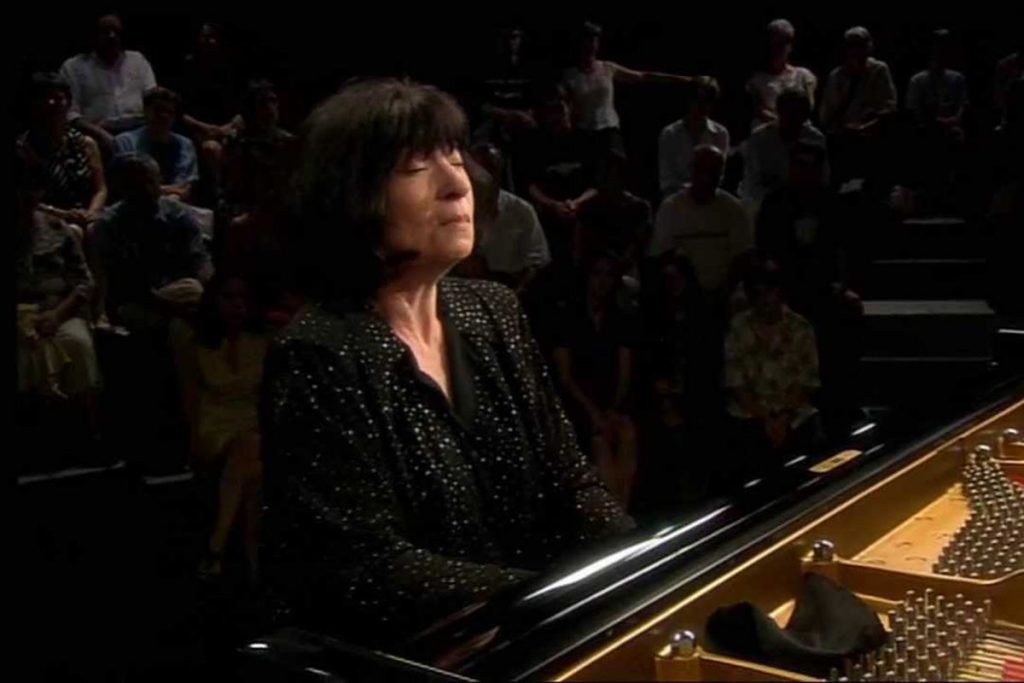
“Eliso is an artist of great distinction, perhaps the greatest woman pianist of our time. A serious, deeply sincere and unpretentious musician.” Sviatoslav Richter’s words perfectly capture the artistry of Eliso Virsaladze, who, turning 83, continues to embody the pinnacle of pianistic mastery. Born in Tbilisi, Georgia, Virsaladze has spent a lifetime refining her craft, combining technical precision with profound musical insight, and her interpretations remain a benchmark of expressive depth and intellectual clarity. A laureate of both the Tchaikovsky Competition in Moscow and the Schumann Competition in Zwickau, Virsaladze has performed in the world’s most prestigious concert halls and collaborated with leading orchestras and conductors, including Mariss Jansons, Riccardo Muti, and Kurt Sanderling. Her artistry bridges eras: grounded in the traditions of the Russian piano school yet infused with her own singular voice. Virsaladze has also been a dedicated mentor, shaping generations of pianists through her teaching at the Moscow Conservatory and the Munich Musikhochschulen. Her students now pursue international careers, a testament to her insight, guidance, and commitment to nurturing talent. She herself studied under some of the great masters, absorbing their knowledge and passing it forward through both performance and pedagogy. For her Singapore recital, she will perform on the sublime C. Bechstein D282, an instrument perfectly suited to her nuanced touch. This concert promises more than virtuosity; it is a confluence of decades of experience, artistic wisdom, and the sheer poetry of Chopin’s music. The programme—aptly titled 生命 • 侠气 • 神迹 (Life, Chivalric Spirit & Divine Miracle)—offers a traversal of Chopin’s world, beginning with the dreamlike Polonaise-Fantasie in A-flat major, Op. 61, continuing with the dramatic Sonata in B minor, Op. 58, and moving through intimate nocturnes and folk-inspired mazurkas before closing with elegant, virtuosic waltzes. Each work is transformed under Virsaladze’s interpretation into a profound emotional and spiritual experience. Insights from a 2019 interview at the Tokyo College of Music reveal the philosophy behind her artistry. She draws energy from the music itself rather than herself, demonstrating humility and devotion in every note. She believes that there are no bad instruments—only pianists who fail to fully engage with them—underscoring her emphasis on the artist’s interpretation over technical display. On Chopin, she advocates simplicity, attentiveness to natural beauty, and expressive sincerity, marrying technical mastery with profound emotional insight. This recital represents a rare opportunity to witness a living legend whose career spans generations, competitions, and continents. Through her performance, Virsaladze invites audiences to experience Chopin not just as notes on a page, but as a conversation with history, emotion, and the human spirit. Programme: Polonaise-Fantasie in A-flat major, Op. 61 Sonata in B minor, Op. 58 Nocturnes, Op. 27 (C-sharp minor & F-flat major) Mazurkas (Ops. 30, 33, 59) Waltzes (Op. 70 No. 1 & Op. 42) Concert Details: Tuesday, 18 November 2025, 8:00 PM Victoria Concert Hall, Singapore Tickets: $38 / $58 / $78 / $98 Tickets will be available on Ticketmaster.sg from 15th September 2025, the day following Visraladze’s 83rd birthday. Enquiries: (65) 9687 4480 Don’t miss this extraordinary recital—an opportunity to witness the lifetime of artistry, experience, and mentorship that has defined Eliso Virsaladze’s remarkable career, brought to life through the music of Chopin, and the heavenly sound of C. Bechstein. This event is presented by Bechstein Music World, and organised by True Music Singapore. Be sure to follow them both on Facebook and instagram @bechstein_music_world_sg, and @truemusic.sg for the latest news on this monumental event.
Unveiling the Soul of European Pianos: A Journey Through Timbre
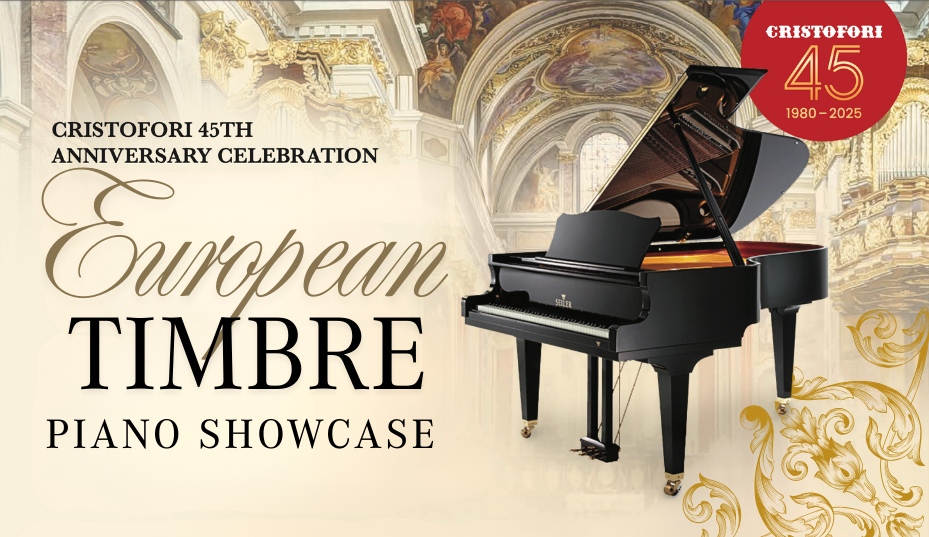
When you sit down to play a piano, you’re not just playing an instrument; you’re connecting with a legacy of craftsmanship and a distinct sound tradition. For centuries, piano makers in Europe have refined their art, giving rise to what is now known as the “European Timbre”, celebrated for its unique richness and emotional depth. But what exactly is the European Timbre, and how is it so distinct from other piano sounds? The European Timbre is defined by its focus on a richly textured, yet restrained bass that provides a solid, resonant foundation without overpowering the music. This is beautifully complemented by gentle, lyrical mid-high notes that “sing”, reminiscent of the human voice. This balanced and expressive quality creates a profound internal energy within the instrument, allowing for a haunting, long-lasting resonance that truly speaks to the soul. This stands in contrast to the American Timbre, which is typically characterized by a more powerfully resonant bass and penetrating mid-to-high tones. This sound delivers an intense, immediate sensory impact, making it ideal for the bold, dynamic styles of American music. The European approach, however, invites the listener into a more nuanced and poetic experience. It’s a sound that values subtlety, elegance, and the ability to convey a wide range of emotions. At Cristofori Music, this rich heritage is celebrated with a showcase of some of the finest European and European-designed pianos. You can experience the artistry of brands like: Seiler: With a legacy dating back to 1849 in Germany, Seiler pianos are renowned for their warm, lyrical, and balanced tone. Each German-made Seiler comes with a Certificate of Origin, a testament to its authenticity and superior craftsmanship. Johannes Seiler: Designed in Germany but crafted in a dedicated facility in Asia, these pianos offer the signature Seiler tone and quality at a more accessible price point. Petrof: Handcrafted in the Czech Republic since 1854, Petrof pianos are celebrated for their perfect balance of power and poetry. Ritmüller: Founded in Göttingen, Germany, in 1795, Ritmüller boasts a history of over 230 years and remains a popular choice for its classic European sound. Rosler: Another brand with Czech craftsmanship, Rosler was founded in 1878 and designed by the esteemed Petrof company. These instruments embody a symphony of exceptional sound and elegance, inviting you to indulge in the rich heritage of Europe’s finest pianos. Whether you are a musician seeking a new voice for your artistry or a family looking to bring the warmth of music into your home, exploring the European Timbre is a journey worth taking. Join Us for the European Timbre Piano Showcase! To truly understand and experience this incredible sound, we invite you to this exclusive event. Date: From August 1st, 2025 – December 31st, 2025 Location: Music Paradise of Cristofori Music, 9 Bishan Place, #04-02D Junction 8 Shopping Centre, Singapore 579837 RSVP: To book your appointment, please call or WhatsApp us at 8766 0645. Don’t miss the chance to experience the sound of Europe and even participate in our 45th Anniversary Lucky Draw! Every entry to the showcase entitles you to one lucky draw ticket, with a chance to win a stunning piano.
Celebrating the Next Generation of Pianists at the Pearl River Kayserburg International Youth Piano Competition 2025
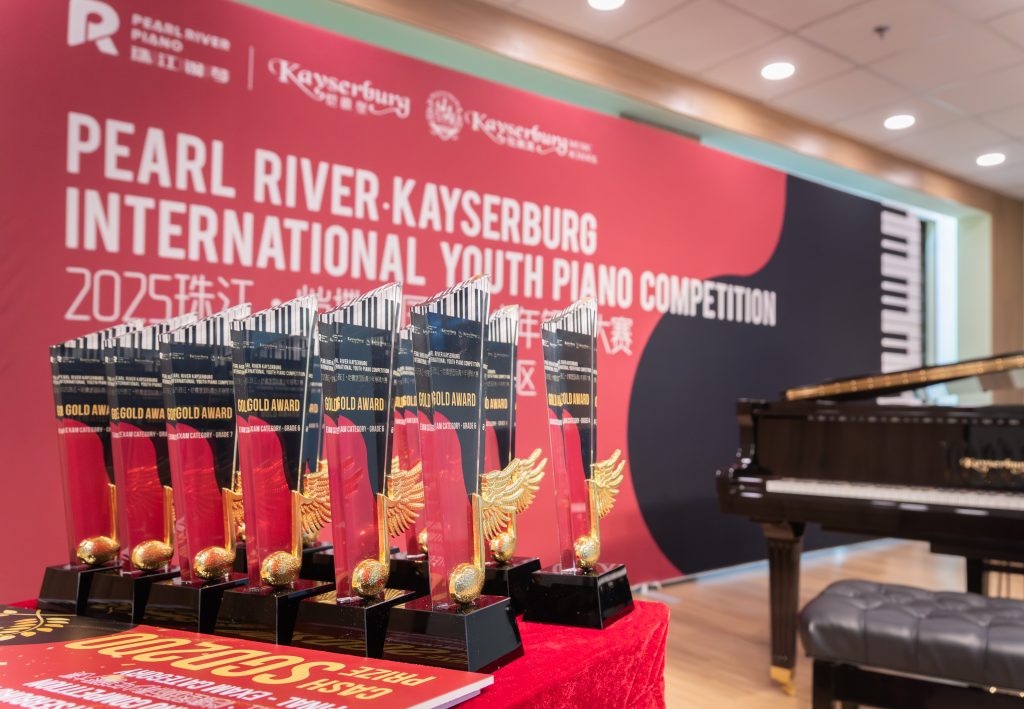
Singapore Regional Finals On 16 August 2025, the Singapore Regional Finals of the Pearl River Kayserburg International Youth Piano Competition took place at the Bechstein Music World Event Hall, bringing together some of the brightest young pianists in the country. From an initial pool of more than 400 participants, just 100 talented finalists earned their place on stage, showcasing artistry, discipline, and passion for the piano. This year’s Regional Finals highlighted performances from the Children and Junior age group categories, as well as the Exam Categories spanning Grades 1 through 8. Each finalist brought their own voice to the instrument, making the day both inspiring and memorable for audiences, families, and fellow young musicians alike. The competition culminated in an Awards Ceremony, where prizes were presented to the top winners of each category. The moment was especially meaningful with the announcement of the Student Category Top Prize Winner, Pan Jiarong Oscar, who will proudly represent Singapore at the International Grand Finals in Xiamen, China. We extend our heartfelt congratulations to all the finalists and prize winners of this year’s competition. Every performance was a celebration of dedication and love for music, and stepping onto the stage itself is already a tremendous achievement. The Pearl River Kayserburg International Youth Piano Competition is organised by Kayserburg Music School Singapore and presented by the Guangzhou Pearl River Piano Group, continuing its mission to provide young pianists with a platform to grow, connect, and shine on an international stage. Stay connected with Kayserburg Music School Singapore for the latest updates, highlights, and future events: Instagram: @kayserburg_music_school_sg Facebook: @kayserburgmusicsingapore We look forward to cheering on our Singapore representative at the Grand Finals in Xiamen — and to seeing even more young musicians rise to the occasion in the years to come.
Celebrate 45 Years of Music with the Cristofori Anniversary Lucky Draw

For 45 years, Cristofori has been part of Singapore’s everyday musical life — from a child’s first piano lesson to family gatherings around music, and even lifelong dreams of owning a quality instrument. As we mark this milestone, we want to celebrate not just our journey, but yours as well. That’s why we’re launching the Cristofori 45th Anniversary Lucky Draw, a way to give back to the families, students, and music lovers who have supported us through the years. A Chance to Bring Music Home From 1 August to 31 December 2025, every $450 spent at any Cristofori outlet earns you a chance to enter the lucky draw. There’s no limit to how many times you can take part — and every entry brings you closer to making music an even bigger part of your home. The excitement will culminate in the Grand Draw on 10 January 2026 at Junction 8 Shopping Mall, with a live stream so everyone can share in the moment. Prizes That Enrich Everyday Life At the heart of the prizes are instruments that truly belong in the home: beautifully crafted upright pianos from renowned European makers like Petrof (Czech Republic) and Seiler (Germany). These are not your everyday prizes, but instruments designed to fill your living space with a legacy of music for years to come, whether it’s the sound of a child learning their first piece, or family evenings gathered around playing a favourite song together. Owning a fine piano isn’t only about playing music; it’s about creating moments, memories, and traditions that stay with you for a lifetime. Let’s take a closer look: First Prize: Petrof Upright Piano P 125 M1 Handcrafted in Europe, the Petrof P 125 M1 is celebrated for its warm, singing tone and superb craftsmanship. With a sleek black finish, it is both a refined instrument and a striking piece of design. For any family, it’s a legacy of music waiting to be passed down. Second Prize: Seiler Upright Piano 122 Konsole Built in Germany with over 170 years of piano-making expertise, the Seiler 122 Konsole is compact yet powerful. Its clear, refined sound makes it equally suited for beginners taking their first steps and experienced pianists seeking a trusted companion. A perfect harmony of tradition and modern living. Third Prize: Johannes Seiler Upright Piano GS 122 Designed in Germany and crafted with care in Asia, the Johannes Seiler GS 122 offers rich tonal depth and a responsive touch. With its contemporary design, it brings both inspiration and elegance to everyday music-making, making it an ideal choice for families who want quality that endures. Why This Matters to Us The anniversary lucky draw is a thank-you to every parent who encouraged their child to take lessons, every student who practised diligently, and every music lover who has chosen Cristofori as their companion on their journey. For us, the past 45 years is not just about business, but also about the countless stories of how music has brightened homes across Singapore. Be Part of the Celebration Join us as we celebrate this milestone. Visit any Cristofori outlet, take part in the lucky draw, and you may just bring home a piano that becomes the heart of your family’s musical story. After all, what better way to celebrate 45 years of music than by helping even more families make music together?
Piano: The Ultimate Gym for Your Brain

At Cristofori Music, we believe that education is about more than just academic grades—it’s about empowering the whole child. While we often focus on physical activities for development, we know that the most powerful gym for a young mind can be found right at the piano. Learning to play the piano is a uniquely comprehensive activity. It’s a full-brain workout that simultaneously engages a child’s memory, coordination, emotional intelligence, and problem-solving skills in a way that few other pursuits can. The cognitive benefits are so profound that neuroscientists and educators alike have long championed music as a foundational pillar of child development. Coordination + Concentration = Cognitive Power The act of playing the piano is a masterclass in bilateral coordination. It requires both hands to perform different, intricate tasks at the same time, often with a different rhythm and dynamic for each. This simultaneous independence and cooperation of the left and right hands strengthens the corpus callosum, the crucial bridge of nerve fibres that connects the brain’s two hemispheres. This enhanced neural communication has been directly linked to improved cognitive function, including accelerated language processing and a greater capacity for abstract mathematical reasoning in young learners. The continuous focus required to read music and perform a piece also sharpens concentration, a skill vital for academic success and beyond. Reading, Listening, Feeling — All at Once Playing the piano is the ultimate multitasking challenge. A pianist must simultaneously decode complex symbols on a page, process the auditory feedback of every note they play, translate musical phrasing into the physical touch of the keys, and channel their own emotions into the performance. This complex, real-time integration of multiple senses and skills stimulates the prefrontal cortex, the brain’s command centre responsible for executive functions like attention control, flexible thinking, and working memory. By nurturing these skills from a young age, piano lessons help lay the groundwork for a lifetime of agile, adaptable thinking. Building Emotional Intelligence Music is often described as the language of emotion, and the piano provides a powerful medium for children to explore and express their feelings. As they learn to interpret a piece’s mood, from the solemnity of a classical sonata to the joy of a pop tune, they build emotional literacy. This creative outlet helps them develop empathy by understanding the composer’s intent, and it fosters self-confidence and emotional regulation. This invaluable training in emotional intelligence extends far beyond the music room, shaping them into compassionate and well-rounded individuals. Long-Term Brain Benefits The advantages of piano education are not fleeting. Research has consistently shown that individuals who learn to play the piano during their formative years maintain superior cognitive abilities well into adulthood. They often exhibit sharper memory, better fine motor control, and a stronger cognitive reserve, which acts as a buffer against age-related cognitive decline. It’s a gift that keeps on giving, ensuring that the initial investment in music education yields lifelong returns in mental sharpness and overall well-being. At Cristofori, we believe that every child deserves the opportunity to unlock their full potential. Whether your child is just beginning their musical journey or is already a seasoned performer, every moment spent at the piano is a moment of profound brain development. It’s more than just a hobby—it’s an investment in a smarter, more confident, and more emotionally intelligent future.
Cristofori at COMEX 2025: Celebrating 45 Years of Shaping the Future of Music

When Cristofori first opened its doors in 1980, its mission was simple: to bring music into every home in Singapore. Over the decades, we have grown from a modest music school and piano retailer into a household name, synonymous with accessibility, education, and a passion for nurturing musical dreams. Thousands of students have taken their first lessons on Cristofori instruments, and countless Singaporean families have experienced the joy of music through our schools and showrooms. Now, as Cristofori marks its 45th anniversary, we continue to look forward as much as we look to our past. The world of music is changing, with new technologies making instruments more versatile, portable, and connected than ever before. At COMEX 2025, Cristofori will showcase this exciting future while celebrating the legacy that has brought it here. Event Details: COMEX 2025 28 – 31 August 2025 Suntec Singapore Convention & Exhibition Centre Booth 8401 (Level 4), 12 PM – 9 PM The Future of Music: AEROBAND Among the highlights is Aeroband, a brand that reimagines what instruments can be. The Aeroband Pocketdrum 2 Max replaces bulky kits with a portable, wireless experience that feels astonishingly real, thanks to ultra-low latency and responsive sensors. Meanwhile, the Aeroband Digital Guitar offers detachable parts, silicone strings that are easy on the fingers, and MIDI compatibility, making it ideal for learners and professionals who want a balance of practicality and creativity. With Aeroband, music-making no longer needs to be confined to a studio or practice room — it can travel with you anywhere. Tradition Meets Technology: Cristofori FC-1 AI Port Cristofori’s own innovation, the FC-1 AI Port, bridges the world of acoustic tradition and digital possibility. This device can transform any upright piano into a smart instrument, with 88 optical sensors capturing every detail of a performance. It integrates seamlessly with music software, opening doors for learning, recording, and composing that were once only possible with high-end digital pianos. At COMEX, customers who purchase an acoustic upright piano will be able to add the FC-1 at a special promotional price, combining craftsmanship with cutting-edge technology in one package. 45th Anniversary Lucky Draw No celebration is complete without a chance to give back. From 1 August to 31 December 2025, every $450 spent at Cristofori outlets earns an entry into our 45th Anniversary Lucky Draw. The prizes are a fitting tribute to Cristofori’s heritage, with upright pianos from renowned makers such as Petrof and Seiler among the top rewards. The draw will be held on 10th January 2026 at the Junction 8 Shopping Mall and streamed live online, so we can all celebrate together. A Continuing Legacy Cristofori’s presence at COMEX 2025 is a reflection of our enduring mission: to make music a part of everyday life while embracing innovation that empowers the next generation of learners and creators. For first-time musicians, technology removes barriers. For seasoned players, it expands possibilities. And for families, it ensures music remains a shared experience. This August, join Cristofori at COMEX 2025 and shape the future of music with us! Here’s to 45 years and beyond!
Which Drum Kit is Right for You? – A Buyer’s Guide

Whether you’re a beginner, or advancing steadily in your drumming journey, it is important to have an instrument at home to practice on and ensure you stay in top drumming condition for your next lesson, jam session, gig or exam! Choosing an instrument that meets your needs can be a challenge, especially in Singapore where apartment living can seriously limit your choices as pertains to sound levels during practice sessions. Fortunately, there are a lot of options out there these days with advancements in electronic drum technology, as well as sound-reducing accessories that make owning an acoustic kit in an apartment much more feasible than in the past, eliminating the need to build a special (and expensive!) room to contain the sound! Professional Quality e-Drum at a Reasonable Price: NU-X DM8 NU-X DM8 Electronic Drum Kit The NU-X DM8 offers the feel and response of a professional acoustic kit, but in a compact and quieter electronic form. Its mesh drum heads give you realistic stick rebound, while the module includes a wide variety of high-quality drum sounds, training functions, and connectivity options for recording or practice with headphones. This kit is ideal if you want a premium e-drum experience at a price that still makes sense for home use. Great Quality e-Drum on a Budget: Cristofori CDD5 Cristofori CDD5 Electronic Drum Kit At just $450 (special price for Cristofori’s 45th Anniversary Celebration until 31 Dec 2025), the CDD5 is perfect for first-time drummers who want an affordable but reliable e-drum kit. It includes mesh heads for quieter practice, responsive pads, and essential sounds that cover most beginner and intermediate needs. Its compact footprint makes it a good fit for apartments, while still offering enough flexibility to grow with you as you improve. Acoustic Kit for Small Spaces: Glamor Smart Glamor Smart Series – Deep Black / Lemon Yellow For drummers who want the authentic acoustic experience but don’t have the space for a full kit, the Glamor Smart is designed with compact living in mind. Despite its smaller size, it retains the punch and resonance of a real drum set. Available in stylish Deep Black and Lemon Yellow finishes, it’s both practical and visually striking — a great option for young learners or hobbyists who want the acoustic feel without overwhelming the room. Full-Size Acoustic Kit: Glamor K1 Knight Glamor K1 Knight Series – Lake Blue / Mint Green The K1 Knight is a full acoustic drum set that delivers a bold, powerful sound for those ready to take their drumming further. Designed for both practice and performance, it’s well-suited for students progressing through exams, band rehearsals, or even small gigs. With its eye-catching Lake Blue and Mint Green finishes, it makes as much of a statement visually as it does sonically. Noise Level Concerns: Mr Meeco Drum Mute Set with Mesh Heads Mr Meeco ProPad Mute Pad Set If noise is a major concern, the Mr Meeco mute set is a lifesaver for acoustic drummers. These mesh heads and mute pads reduce volume drastically while maintaining stick feel, allowing you to practice on your acoustic kit without disturbing neighbours or family members. No disassembly required, simply attach them over the rim on top of each drum! Even Quieter Practice: Glamor Silent Cymbal Set Glamor Silent Cymbals Pair your muted drums with Glamor’s silent cymbal set — including a 14” hi-hat, 16” crash, and 20” ride. Made with perforated metal for authentic stick response, they reduce volume significantly while keeping the feel and rebound of real cymbals. Perfect for drummers who love the acoustic touch but need to keep things quiet at home. Accessories that Make a Difference Cristofori Amp 30: Amp for e-drums — compact but powerful enough to bring your electronic kit to life – and… it has Bluetooth for your backing tracks playback, or to simply enjoy music at home! Drum Rugs: • NUX Square Rug — keeps your kit stable and protects your floor. • Aroma Round Drum Mat — an aesthetic choice for a home studio setup. • Drum Rug with M-locks — ultimate slip prevention for serious players. All these options — and many more — are available at eshop.cristofori.asia, or you can try them out in person at the Cristofori Megastore (Bedok Industrial Park E) or RSL London @ Funan.
Rocking Out at the Asian Supreme Drum Competition 2025 – Qualifying Round!
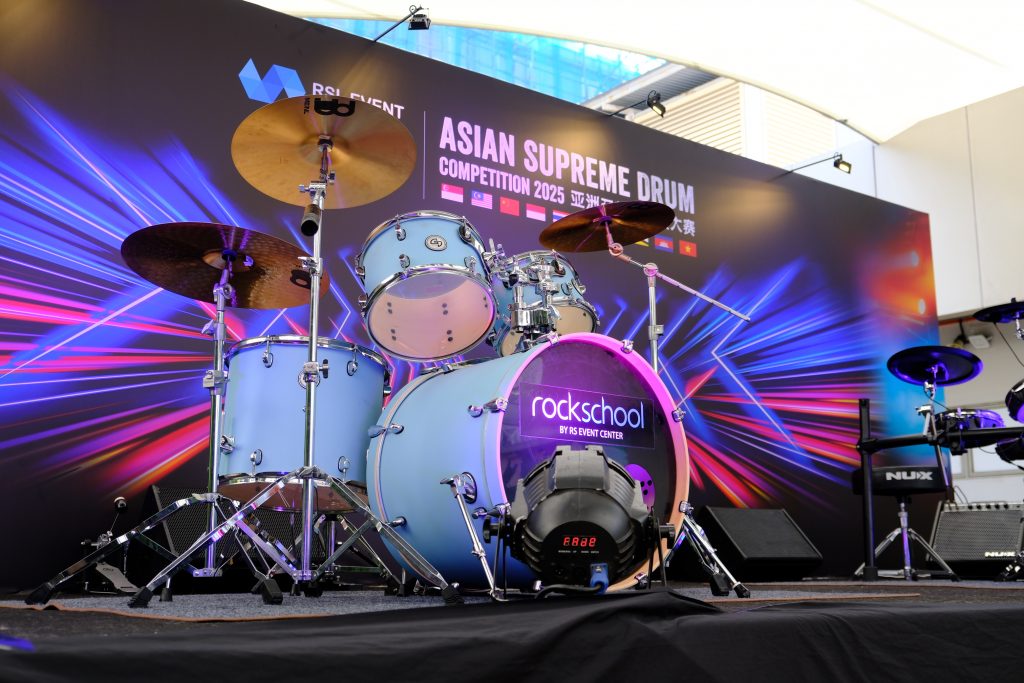
The Asian Supreme Drum Competition 2025 held its Qualifying Round over National Day Weekend (8–10 August 2025) at the Bishan Junction 8 Level 3 Rooftop Garden, bringing together a large community of young drummers, and we were right there to cheer on our Cristofori drum students in attendance! Participants competed across multiple categories, including Children, Junior, Intermediate, and Open age groups, as well as Rockschool Exam categories from Grades Debut through 5. This year introduced the Drum Fusion Challenge, a new category designed to let participants explore different styles and experiment with improvisation over a pre-released backing track. Contestants demonstrated their technical skills, rhythmic ideas, and personal musicality, showing a range of approaches and creative interpretations. The addition of this category provided a fresh and engaging element to the competition, encouraging young drummers to think beyond traditional repertoire. The Qualifying Round was also an opportunity to celebrate the community around drumming. Families, teachers, and friends came together to support the participants, creating a welcoming and encouraging atmosphere. Young students experienced the stage for the first time, and the combination of performances and community support made the event as much about learning and connection as it was about competition. The excitement now builds toward the next steps. Finalists will be announced on 5 September 2025, and those selected will advance to the Grand Finals, taking place on 1–2 November 2025 at the Funan Mall Atrium. RS Event Center Singapore, the organiser of the competition, thanks all participants, families, and supporters for helping make this year’s Qualifying Round a meaningful and enjoyable experience. Stay connected for updates, photos, and announcements: Instagram: @rs_event_center Facebook: RSEC Singapore Website: www.rs-event.sg We look forward to seeing the finalists take the stage in November and sharing more of their performances with the wider music community.
Cristofori’s 45th Anniversary European Sound Piano Concert Series Continues This September with Matyáš Novák’s Tribute to Czech Masters
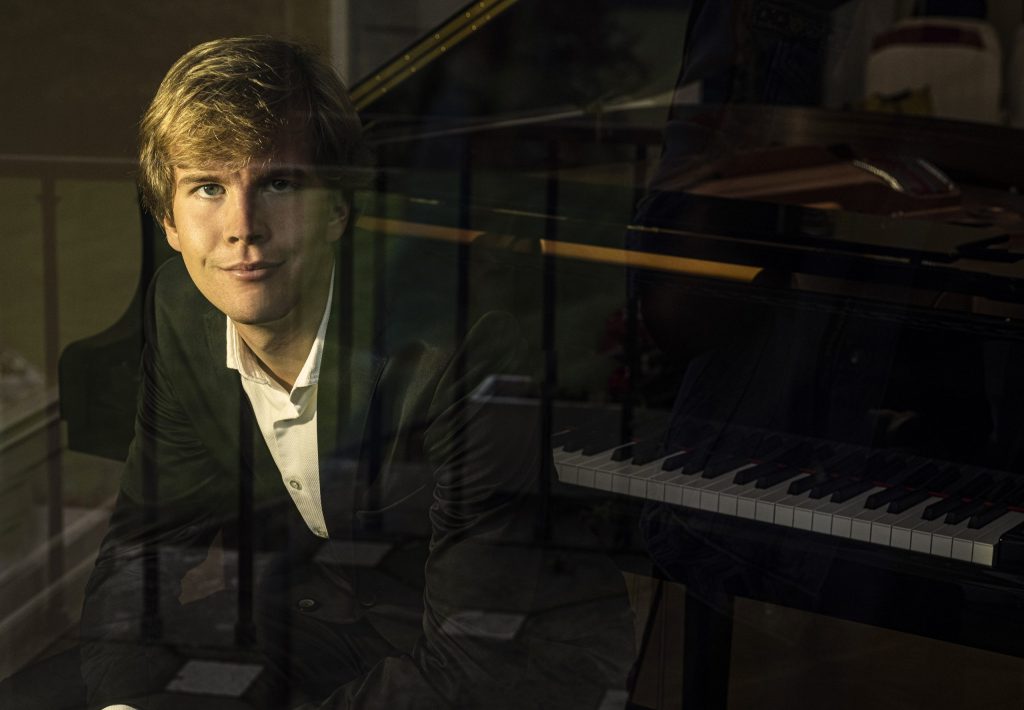
This September, a rare musical experience returns to Victoria Concert Hall as part of the European Sound Concert Series by True Music Singapore. On 26 September 2025, Czech pianist Matyáš Novák will take the stage for Homage to Czech Music’s Four Greats, a recital celebrating the timeless beauty and expressive spirit of Czech classical music. This performance marks only the second-ever Petrof recital in Singapore, following the success of the inaugural event on 4 July, where Prof. Karel Košárek stepped in for the indisposed Jan Schulmeister. This Petrof Concert Series is part of Cristofori Music Singapore’s 45th Anniversary Celebration. Košárek’s deeply memorable performance introduced local audiences to the bold, earthy tone of the Petrof Monsoon P237, a Czech handcrafted concert grand piano making its Singapore debut. Now, Petrof returns to the Singapore stage along with a rising star of the European concert scene.. A Young Artist with Remarkable Depth Matyáš Novák, born in 1998, has already performed on some of the world’s most prestigious stages, including Carnegie Hall in New York and the National Gallery of Art in Washington. A member of the Petrof Art Family, he is known not only for his expressive touch and imaginative interpretations, but also for his original piano transcriptions and fantasies based on operas and folk melodies. Though still in his twenties, Novák commands a repertoire of remarkable depth and variety — from the romantic masterpieces of the 19th century to his own inventive works that draw upon Czech musical tradition. A Tribute to Four Masters of Czech Music Titled Homage to Czech Music’s Four Greats, this recital showcases music by Bedřich Smetana, Antonín Dvořák, Leoš Janáček, and Josef Suk: composers whose works continue to shape the sound and identity of Czech classical music. The programme moves from lively folk dances and lyrical miniatures to emotionally charged reflections on life, love, and national memory. Two original fantasies by Novák based on Dvořák’s opera Rusalka and Smetana’s beloved Vltava add a personal voice to this tribute, offering audiences something both familiar and newly imagined. Event Details Date: Friday, 26 September 2025 Time: 8:00 PM Venue: Victoria Concert Hall Tickets: From $18 via Ticketmaster.sg Enquiries: (65) 9687 4480 Get Tickets Programme BEDŘICH SMETANA Selections from Czech Dances JOSEF SUK Song of Love, Op. 7 No. 1 ANTONÍN DVOŘÁK Poetic Tone Pictures, Op. 85 (Selection) INTERMISSION LEOŠ JANÁČEK Sonata 1.X.1905 (“From the Street”) I. Presentiment II. Death ANTONÍN DVOŘÁK / MATYÁŠ NOVÁK Fantasy on Themes from Rusalka BEDŘICH SMETANA / MATYÁŠ NOVÁK Vltava (The Moldau) A Czech Piano for Czech Music This programme will be performed on the Petrof Monsoon P237, a concert grand piano designed and handcrafted in the Czech Republic. Known for its rich, singing tone and lyrical voice, exceptional quality and craftsmanship, Petrof stands proudly as one of Europe’s oldest and largest piano manufacturers, with a history dating back to 1864. Hearing Czech music performed by a Czech pianist on a Czech piano is a rare opportunity in Singapore, and one that promises a uniquely authentic musical experience. Whether you are a seasoned concertgoer or exploring classical music for the first time, this recital offers an inspiring entry point into a world of rich heritage, masterful storytelling, and expressive sound from both the musician, and the instrument. This event is presented by Cristofori Music Singapore, and organised by True Music Singapore, with the support of Petrof, and the Embassy of the Czech Republic in Singapore. For more updates on the European Sound Concert Series, be sure to follow True Music Singapore on Facebook and Instagram, and for a peek at Petrof pianos, head over to their main showroom in Singapore at the Cristofori Academy of Fine Arts (CAFA) @ One Holland Village, or visit the Piano Megastore at Blk 3014 Bedok Industrial Park E.