

When we step into a music studio at Cristofori, we learn the timeless fundamentals: reading notes, understanding meter, shaping phrases, and mastering touch. We study the architecture of a Bach prelude or a Sonatina to learn how great classical music is built.
But what happens when you turn on the radio, put on your headphones, or listen to your favorite playlist?
Modern music has its own distinct structures, formats, and conventions. Learning how modern songs and albums are constructed doesn’t take away the magic—it helps you listen with a trained ear and appreciate the immense craft, intention, and practice behind the tracks you love.
Here is your quick guide to the most common music formats today.
The Pop Song
The pop song is the most universal musical format in the world today. In under four minutes, a great pop track can tell a story, evoke deep emotion, and stay in your head for weeks.
Just like a classical sonata, most pop songs follow a trusted structural blueprint:
- Verse: Establishes the story and sets the musical scene.
- Pre-Chorus: Builds harmonic tension and momentum.
- Chorus: Delivers the central message, peak energy, and main melody (often called the hook).
- Bridge: Introduces a fresh musical idea or key shift near the end before returning home to the final chorus.
Writing something that feels effortless, relatable, and unforgettable in under four minutes requires extraordinary discipline and songwriting technique.
Bonus trivia: Did you know Franz Schubert is considered the Father of the Modern Songwriter? Read about it here!
The Single
A single is one individual track released on its own, designed to make an immediate impression.
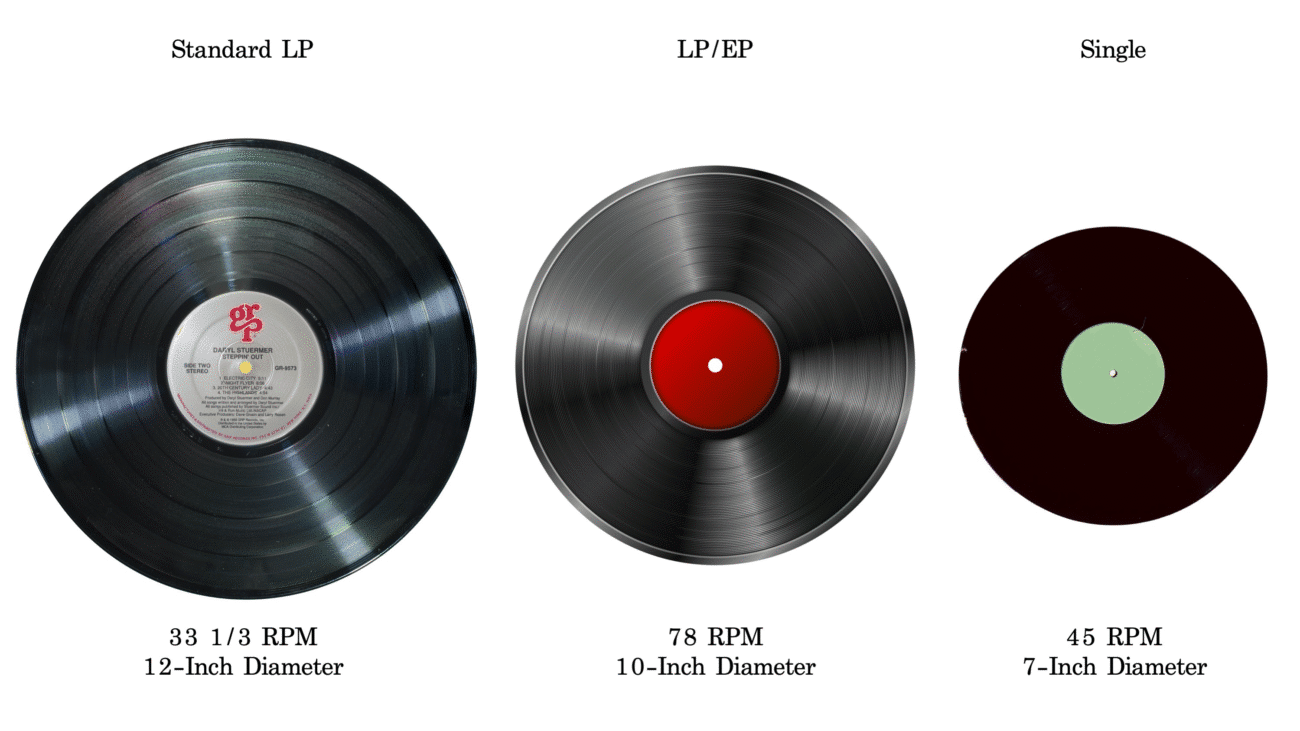
In the era of vinyl records, singles were physical 7-inch discs with two sides: the A-side (the main commercial hit) and the B-side (where artists put hidden gems or experimental tracks). Today, in the streaming era, singles serve as quick musical highlights or teasers for larger projects.
The EP (Extended Play)
An EP usually contains 4 to 6 tracks and sits right between a single and a full album.
- For New Artists: It is the ideal way to showcase their range and musical identity without the time commitment of a full album.
- For Established Artists: It offers a flexible canvas to release quick, thematic, or experimental projects.
EPs are often raw, focused, and concise—offering a clear snapshot of an artist’s creative direction.
The Album (LP)
An album (traditionally called an LP or Long Play) is a complete body of work, usually featuring 10 to 14 tracks carefully ordered by the artist.
Popularized in the 1960s, the album turned popular music into a unified storytelling medium. Every detail matters: the sequence of the tracks, the seamless transitions, the brief moments of silence between songs, and the cover art. Even in today’s playlist culture, top artists continue making full albums because some artistic ideas are too big for a single song.
The Concept Album
A concept album takes the traditional album a step further by weaving every track around a single overarching storyline, theme, or character narrative.
Rather than a collection of separate tracks, the entire record functions like a musical play, opera, or book—inviting the listener to experience the journey from start to finish.
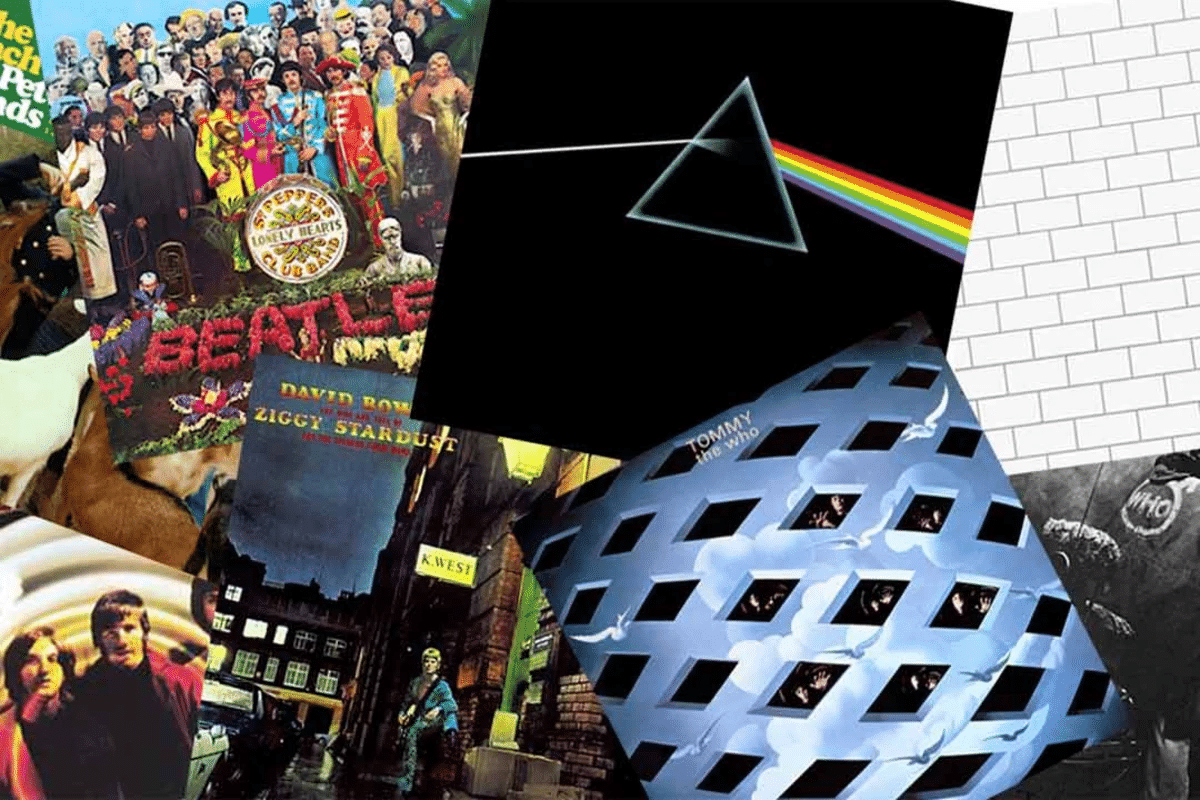
The form emerged in the late 1960s, when artists began pushing against the commercial constraints of pop music and asking bigger questions. The Beatles’ Sgt. Pepper’s Lonely Hearts Club Band is often cited as the first true concept album — a record built around the conceit of a fictional band performing a show, though its concept is loose enough that the music itself remains the real story.
Pink Floyd took the concept album to its outer limits with The Wall — a sprawling, theatrical double album about isolation, trauma, and the walls we build around ourselves, which spawned a live show and a film, and remains one of the most ambitious artistic projects in the history of rock music.
In more recent years, Beyoncé’s Lemonade — a visual album exploring infidelity, grief, Black womanhood, and redemption — and Taylor Swift’s folklore and evermore — sister albums built around a shared world of fictional characters and interconnected narratives — have shown that the concept album is very much alive. The impulse to tell a bigger story than any single song can contain is as strong as ever.
The Producer Track & The Beat
In modern music, the producer plays a role similar to an arranger or conductor.
A beat is the instrumental foundation of a modern track—built using drum programming, synthesizers, acoustic samples, and harmonic layers. In genres like hip-hop, R&B, and electronic music, a beat is a rich, complete musical world in its own right—even before any lyrics are written or sung.
Producers like Quincy Jones, J Dilla, Pharrell Williams, Metro Boomin, and Billie Eilish’s brother and collaborator Finneas have shaped the sound of popular music as profoundly as any vocalist or songwriter. The producer track — an instrumental work released in its own right, without vocals — has become a celebrated form in electronic music, hip-hop, and lo-fi, listened to for its own beauty and completeness.
The Remix
A remix is far more than just speeding up or turning up the volume on an existing song—it is an act of creative arrangement.
Originating in 1970s club culture, remixing takes the individual vocal and instrumental tracks (stems) of a song and completely reimagines them. A delicate ballad can become an energetic dance piece, or a simple melody can be re-harmonized into a dramatic cinematic track.
The greatest remixes don’t just alter a song, but also reveal something new in it, something that was always there but that only becomes visible when seen from a different angle. In that sense, the remix is not so different from what jazz musicians have always done with a standard, or what classical performers do with a great score — finding the music inside the music.
The Mashup
A mashup seamlessly blends two or more existing songs into a single new performance, combining vocal tracks from one song with the instrumental backing of another.
The best mashups reveal unexpected harmonic and rhythmic connections between completely different genres—like layering a classical melody over a modern rhythmic beat. It reminds us that across all eras and styles, music relies on the same fundamental building blocks.
Soundtracks & Film Scores
Music for films, television, and video games serves two distinct purposes:
- The Score: Original instrumental music composed specifically to heighten the visual drama and emotion on screen.
- The Soundtrack: A curated collection of existing or newly commissioned songs chosen to set the mood of a story.
Just like classical symphonies, legendary film scores stand entirely on their own as brilliant orchestral works.
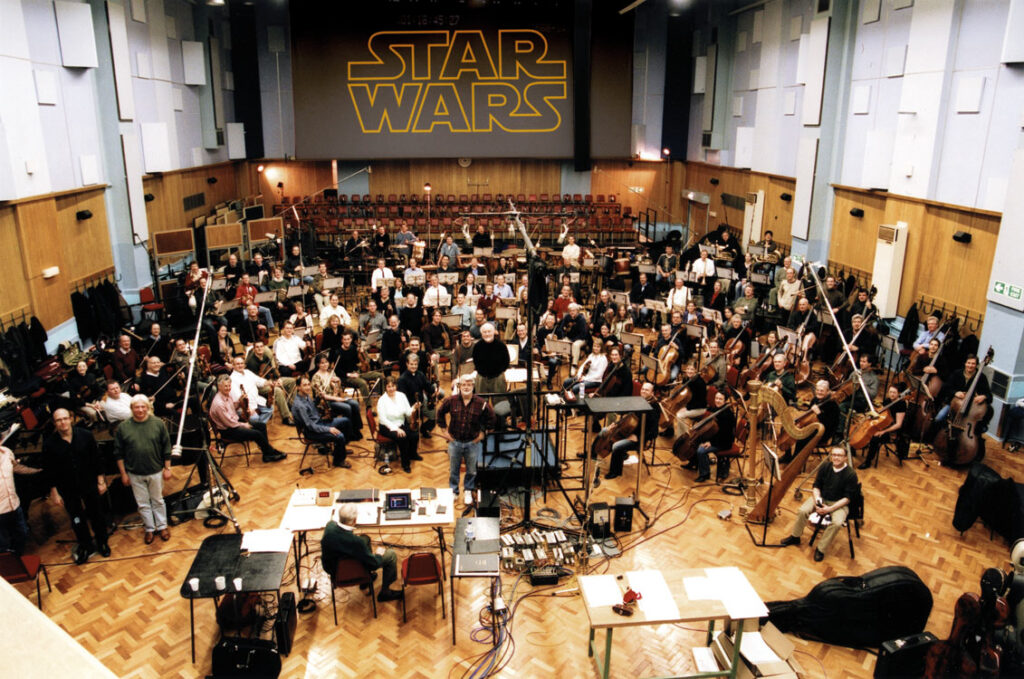
Great film scores are complete musical works in their own right. Bernard Herrmann’s score for Psycho, Ennio Morricone’s music for The Good, the Bad and the Ugly, John Williams’ themes for Star Wars and Schindler’s List, Hans Zimmer’s score for Inception, and Jonny Greenwood’s work for Paul Thomas Anderson’s films — these are not merely functional accompaniments to cinema. They are profound artistic achievements that stand entirely on their own terms.
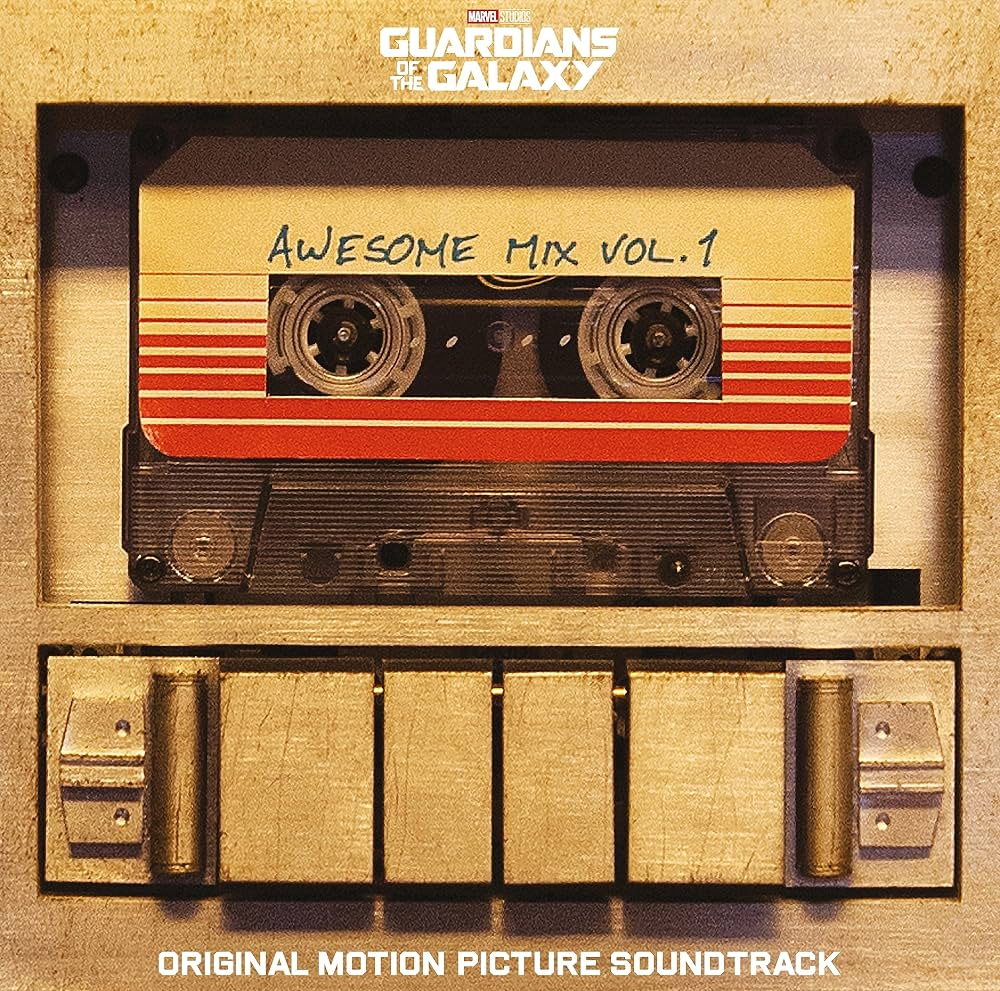
The rise of the soundtrack album — a curated collection of existing songs chosen to accompany a film or television series — has created its own distinct form. A great soundtrack album, like the one assembled by Kendrick Lamar for Black Panther, or the Guardians of the Galaxy series’ Awesome Mix tapes, tells its own story through the sequence and juxtaposition of songs, independent of the film it accompanies.
Why Understanding Form Makes You a Better Musician
It is easy to view modern music as simple everyday entertainment, but behind every great track is a dedication to artistic craft.
A songwriter fine-tuning a verse-chorus transition is practicing the same structural awareness as a student polishing a classical piece. A producer layering frequencies is using the same principles of balance as an ensemble playing together.
At Cristofori, we believe that all good music education enriches how you experience the world. The instruments, technologies, and formats may change over the centuries—but the passion for creating and sharing sound remains exactly the same.