
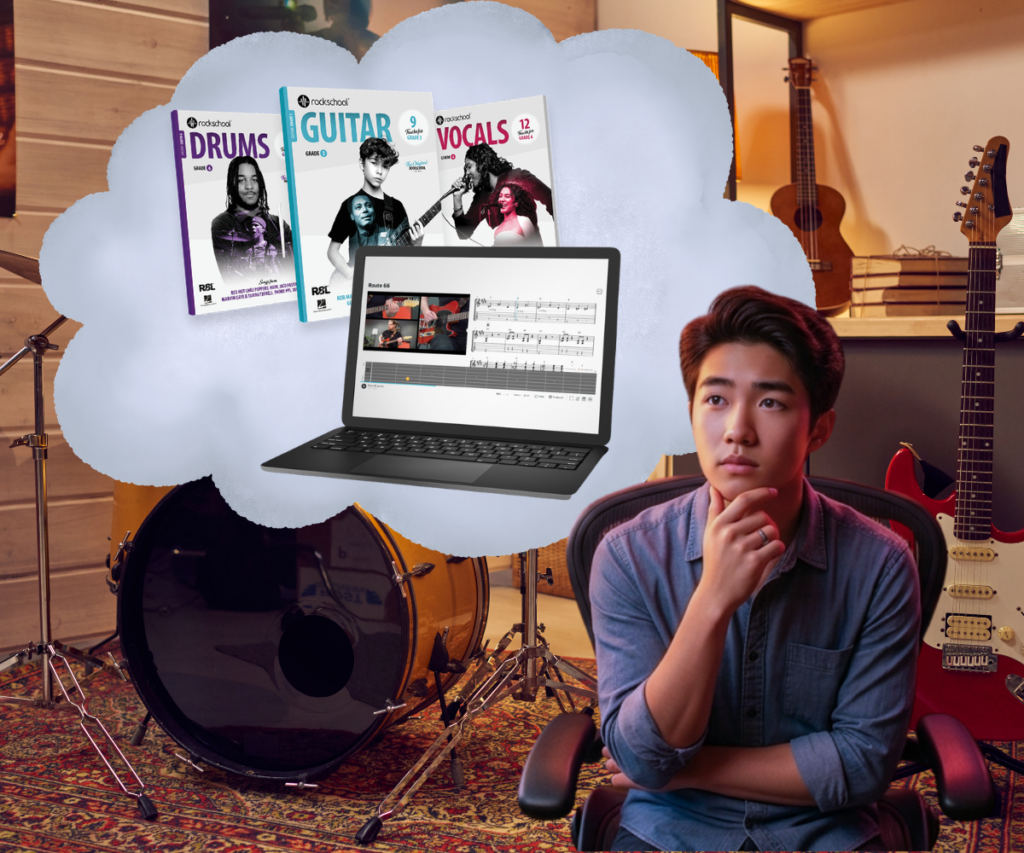
For many music students, the syllabus book becomes a familiar part of their musical journey. The pages gradually fill with pencil markings, annotations and highlighted passages. Over time, it becomes more than just a book — it becomes a record of the work that has gone into preparing for each grade.
But what if your syllabus book could do more than show you what to play?
What if you could listen to a piece before playing it, watch a demonstration, slow down a difficult passage, repeat a tricky section as many times as you need, and access your learning materials across different devices?
That is where RSL Music Exam e-books come in.
Powered by RiFF, RSL Awards’ interactive music practice platform, the e-books bring together sheet music, audio, video and practice tools in one digital learning environment. Rather than simply replacing a printed book with a digital version, they offer students additional ways to listen, practise and understand their repertoire.
Here is how these features can support students, parents and teachers throughout the learning journey.
Hear It Before You Play It
One of the most useful ways to approach a new piece is to listen to it first.
RSL printed syllabus books have traditionally included access to supporting audio tracks, giving students the opportunity to hear their repertoire before practising. However, using separate downloads can sometimes mean searching for the right file or switching between different resources.
With RSL Music Exam e-books, the audio is integrated into the digital learning experience. Students can open their repertoire and access the corresponding audio alongside the score, making it easier to listen and follow the music at the same time.
This can be especially helpful when encountering an unfamiliar style, rhythm or musical character. Listening first gives students a clearer idea of what they are working towards before they begin playing.
Watch How It Is Played
Reading the notes on a page tells us what to play, but it does not always show us how to approach a piece.
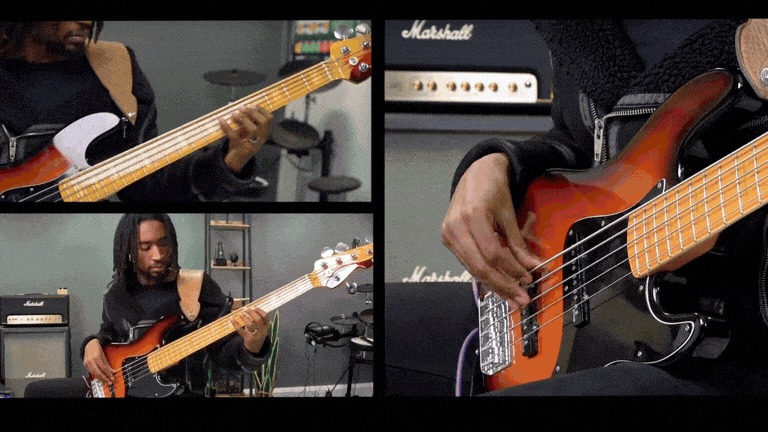
RSL Music Exam e-books can include video demonstrations and performance guidance, giving students a visual reference alongside their sheet music. Seeing a piece being performed can help students better understand elements such as technique, hand position, articulation and musical phrasing.
For younger learners in particular, visual demonstrations can provide another way of understanding something that may be difficult to communicate through notation alone.
Teachers can also incorporate these resources into lessons, while students can return to the videos when practising independently at home.
Practise Difficult Sections at Your Own Pace
Every student has a challenging passage — perhaps a chord change that does not quite flow, a rhythm that keeps going wrong, or a technically demanding section that needs more time to settle.
Effective practice often means isolating these sections rather than simply playing the entire piece from beginning to end.
RiFF provides interactive practice tools that allow students to select sections of music, loop them and adjust the playback tempo. This makes it possible to work on a difficult passage repeatedly without having to restart the entire track each time.
Students can begin at a comfortable tempo, focus on accuracy and gradually work towards the required speed.
This is particularly useful when preparing for an examination, where the goal is not simply to play a piece from beginning to end, but to develop consistency and confidence throughout the entire performance.
Access Your Materials Across Devices
Another advantage of digital learning is flexibility.
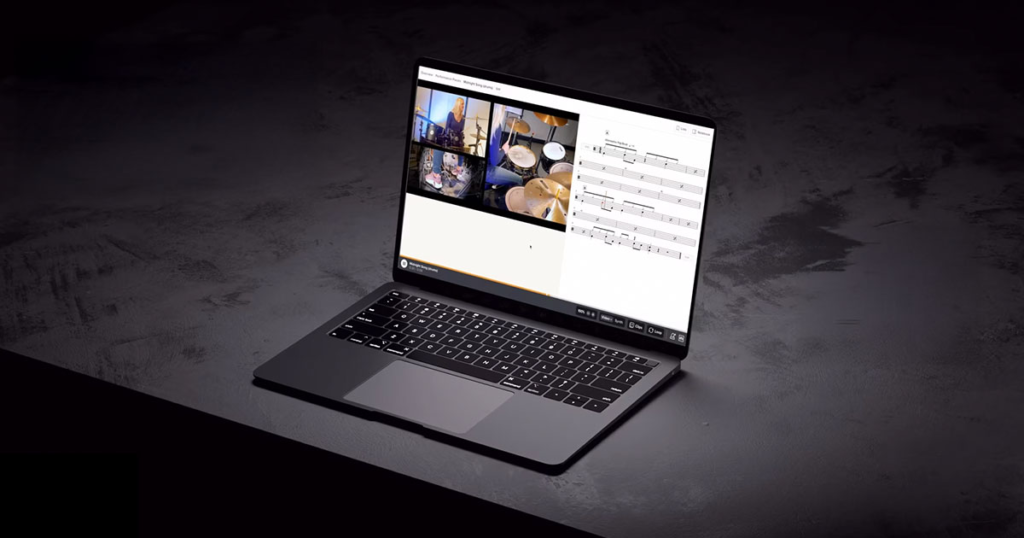
RSL Music Exam e-books provide access to digital sheet music and supporting materials across compatible devices, while selected materials can also be saved for offline use. This gives students more flexibility in how and where they access their practice resources.
A tablet might be useful during a lesson, while a laptop could be more convenient for practice at home. Students can also review their materials when they are away from their usual practice space.
Of course, digital resources are not intended to replace time spent actually playing the instrument. The purpose is to make the resources surrounding that practice more accessible and convenient.
Everything in One Place

A traditional syllabus book provides the sheet music students need, together with access to supporting audio. An RSL Music Exam e-book can bring many of these resources together within one digital platform.
Depending on the syllabus, students may have access to:
- Interactive sheet music
- Audio and backing tracks
- Video demonstrations and performance guidance
- Looping and tempo controls
- Learning and technical resources
- Downloadable PDF sheet music
- Offline access to selected materials
- Exam Mode and other practice features
Having these resources together can simplify the practice process. Instead of managing separate audio files, videos and sheet music, students can access many of the materials they need from the same platform.
A Useful Resource for Teachers
The benefits of RSL e-books are not limited to students.
For teachers, the interactive resources can provide another way to support lessons and reinforce concepts introduced during class.
A teacher might work through a particular section with a student during the lesson, then encourage the student to revisit that section using the e-book’s playback or video features during the week.
This creates a useful connection between guided learning in the lesson and independent practice at home.
For students who are beginning to take greater responsibility for their own practice, having access to these resources can also encourage more independent learning. Instead of simply repeating a piece, they can listen, observe, isolate difficult sections and experiment with different practice approaches.
Preparing for the Future of Music Learning
Moving from printed syllabus books to e-books is more than a change in format. It reflects the way technology is increasingly becoming part of music education and independent practice.
For students who have grown up using digital tools in other areas of their education, an interactive syllabus can make music learning feel more familiar and accessible. At the same time, the fundamentals remain unchanged: students still need to practise regularly, develop good technique, listen carefully and work closely with their teacher.
The technology simply provides additional tools to support that process.
RSL Awards has announced that printed syllabus books in Singapore will be phased out from Q2/Q3 2027. With RSL Music Exam e-books already available, students and teachers can begin exploring the digital format well before the transition takes place.
Making the Switch
There will always be something special about a physical music book. The pencil markings, annotations and well-used pages can become a record of a student’s progress through a grade.
But digital learning offers something different.
With RSL Music Exam e-books, students can listen to their repertoire, watch demonstrations, practise difficult passages at a comfortable tempo and access their learning materials from one platform.
It is not simply about replacing a physical book with a digital one. It is about giving students more ways to interact with their music and make their practice more effective.
For students preparing for their RSL Music Exams, this can be a valuable addition to the learning journey — helping them move from simply reading the notes on the page to listening, understanding, practising and performing with greater independence.
Explore RSL Music Exam E-books
RSL Music Exam e-books are available through the RSL digital platform, powered by RiFF.
Students, parents and teachers can explore the available e-books and learn more about the platform through RSL Awards website. Those who need guidance on selecting the appropriate syllabus materials can also speak with the friendly team at Cristofori Music School.
Features may vary depending on the specific RSL syllabus and e-book.
Stay tuned for our How-To guide on purchasing your RSL E-Book!