

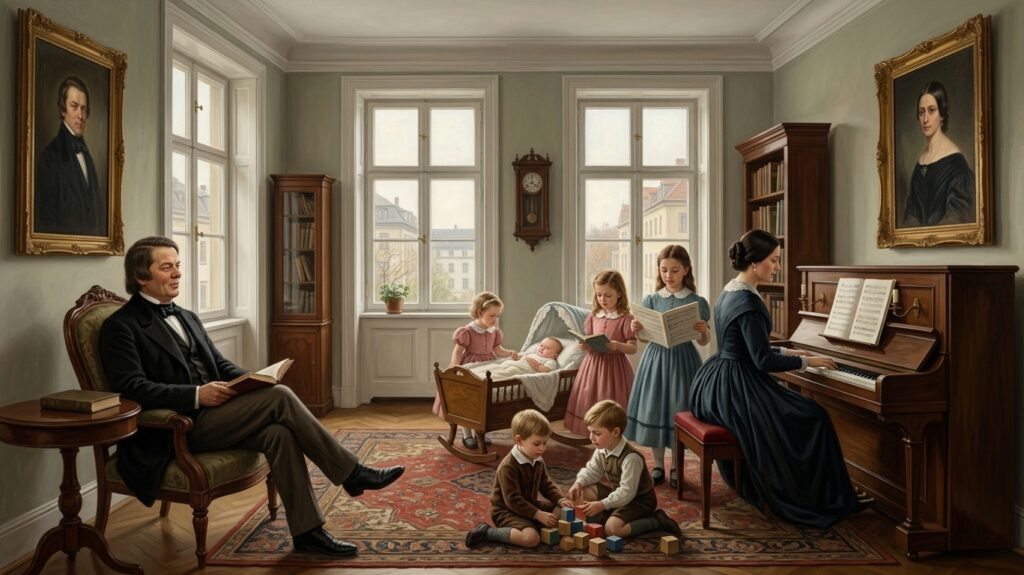
More than 170 years ago, one of history’s greatest composers sat down and wrote a list of rules for musicians.
His name was Robert Schumann. He was a pianist, a composer, and a deeply thoughtful person who believed that learning music was about far more than playing the right notes. While the list he wrote — called the Musical House- and Life-Rules — was originally published for young students, its wisdom is timeless.
We think it is just as relevant today for players of any age. Whether you are a parent supporting a young beginner, a student working towards an exam, or an adult picking up an instrument for the first time or returning after years away, Schumann’s words have something to offer every step of the journey.
It Is Not About How Long You Practise
This might surprise you. Most people assume that more practice always means more progress. Schumann disagreed.
“There are many who think they can achieve everything by spending many hours a day practicing mechanically right into old age. Make better use of your time.”
What matters is not how long you sit at the instrument — it is how present and focused you are while you are there. Twenty minutes of genuine, attentive practice will do more than an hour of going through the motions. Practise slowly, pay attention to what you are doing, and step away when your focus fades. Rest is part of practice too.
“If you have done your daily musical work and feel tired, then do not force yourself to go on working. It is better to rest than to work without freshness and pleasure.”
Listen to Everything
“Aural training is the most important thing. Make efforts from the start to recognize keys and notes. The bell, the window-pane, the cuckoo — investigate the sounds they make.”
Schumann believed that the ear was more important than the fingers. Before reading music, before mastering technique, a musician needs to truly listen to the world around them, not only to their instrument.
Notice the sounds in everyday life: the rhythm of rain on a window, the rise and fall of a spoken conversation, or the difference between a high sound and a low one. These small acts of listening build the musical ear that makes everything else possible.
He also believed that a musician should be able to hear their music in their mind, away from the instrument:
“You must not know your pieces only via your fingers; you must also be able to hum them away from the piano.”
Try humming your piece while going about your day. If you can hear it clearly in your head — its melody, its rhythm, its character — you truly know it.
Music Is Better Together
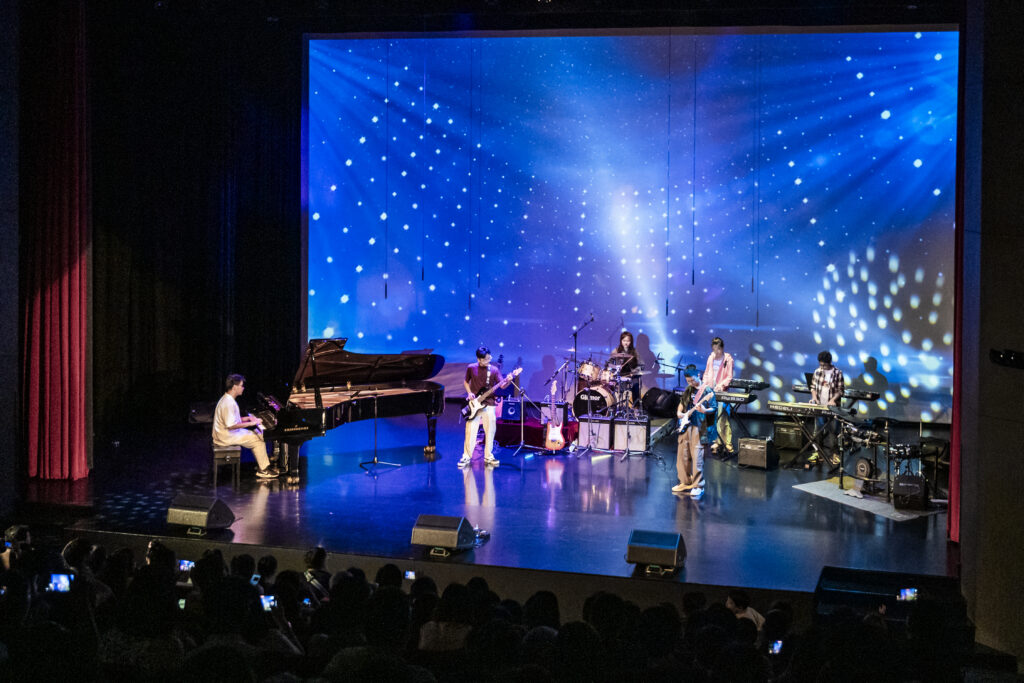


Ensemble and Band playing are important to anyone’s musical journey and can teach us essential life skills: active listening, adaptability under pressure, non-verbal communication, and the art of working together toward a shared objective.
“Waste no opportunity to make music with other musicians, in duos, trios etc. This makes you play fluently and with animation.”
Playing alone is important. But something special happens when musicians play together — a liveliness, a responsiveness, an energy that solo practice cannot replicate.
Look for opportunities to play with others — whether in an ensemble, a duet with a friend, or accompanying a singer. These experiences build musical confidence and listening skills, reminding us that music is ultimately a shared experience, not a solitary one.
Technique Is a Tool, Not the Goal
“Fancy passage work fades over time. Technical accomplishment is only of value where it serves a higher purpose.”
It is natural to be impressed by fast, flashy playing. But Schumann wanted musicians to understand that technique — speed, accuracy, dexterity — is only meaningful when it serves the music. The goal is not to play difficult pieces; the goal is to communicate something real through the sound.
“Try to learn to play easy pieces well and beautifully; it is better than a mediocre performance of a difficult piece.”
This is worth remembering at any stage. A simple piece played with genuine feeling and musical understanding will always leave a stronger impression than a difficult one played without either.
Stay Curious and Keep an Open Mind
“Do not judge a composition on a single hearing; the things that first catch your attention are not always the best.”
Some music takes time to love. A piece that seems boring or strange on first listen may become a favourite after several hearings. Stay open — to music you do not immediately understand, to composers you have not yet discovered, and to styles beyond what you are currently studying.
Schumann also encouraged musicians to read, to walk outdoors, and to engage with the world beyond music:
“As a respite from your musical studies, read a lot of poetry. Take lots of walks in the fresh air.”
A rested, curious, well-rounded person will always be a better musician than one who does nothing but practise.
The Bigger Picture
“Without enthusiasm, nothing worthwhile can be accomplished in Art.”
“The purpose of Art is not to acquire wealth. Just strive always to be a better and better artist; everything else will follow of its own accord.”
“There is no end to learning.”
These lines say everything that needs to be said about why we learn music. Not for certificates. Not for trophies. Not even, in the end, for a career. We learn music because it makes us more attentive, more expressive, more human — and because the journey of becoming a musician, and a good person is one that never truly ends.
A Lifelong Journey
Learning an instrument is one of the most rewarding things anyone can do at any age. It builds discipline, patience, courage, and a deeper connection to the world around us.
Schumann understood this. His rules were not just about music; they were about how to live and grow as a person.
At Cristofori Music School, we believe the same thing. Every lesson, every practice session, and every small milestone is building something that lasts far beyond the practice room.
“The road to improve is always through hard work and perseverance.”
We hope to walk that road with you and your family.
Start the journey with us. Cristofori offers lessons in piano, guitar, violin, drums, ukulele and more, for children from age 4 and up, with teachers who care about every student’s progress. Book a free trial class today, or enquire at your nearest Cristofori outlet.
The full text of Schumann’s Musical House- and Life-Rules is preserved at the Robert Schumann House in Zwickau, Germany, and can be read in full at schumann-zwickau.de. Check it out here!