
Why does music education matter? Discover 7 lifelong benefits of learning an instrument, from discipline and confidence to creativity, wellbeing and joy.
Why Music Education Matters
Every parent wants their child to grow up confident, curious and resilient. Learning a musical instrument is one of the most rewarding ways to build all three, and the benefits often reach well beyond the practice room.
Here are seven lifelong benefits of learning an instrument.
1. It builds discipline and perseverance
No one plays a piece perfectly on the first try. Learning an instrument teaches children that progress comes from steady, patient effort: a little practice, a little improvement, and the satisfaction of finally getting a tricky passage right. That habit of sticking with something difficult is useful long after the lesson ends.
2. It strengthens focus and memory
Reading notation, coordinating both hands, listening and keeping time all at once asks a lot of a young mind. Over weeks and months, many students find they become better at concentrating and at remembering patterns, which can help in other areas of learning too.
3. It grows confidence
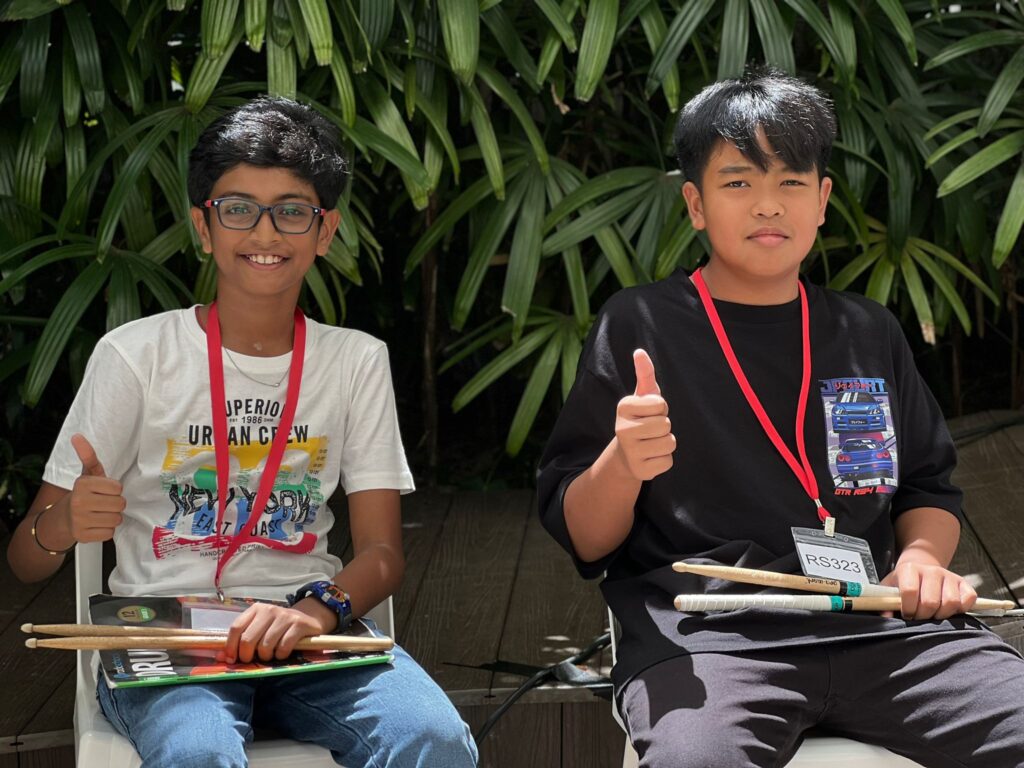
Playing for a teacher, a family member or an audience takes courage. Each small performance, from a first recital to a school concert, helps children get comfortable sharing something they have worked hard on. Confidence built on stage often carries into the classroom and beyond.
4. It encourages creativity and self-expression
Music gives children a language for feelings they may not have words for yet. As students grow, they begin to shape phrases, choose dynamics and make a piece their own. For some, that leads to improvising or composing.
5. It supports emotional wellbeing
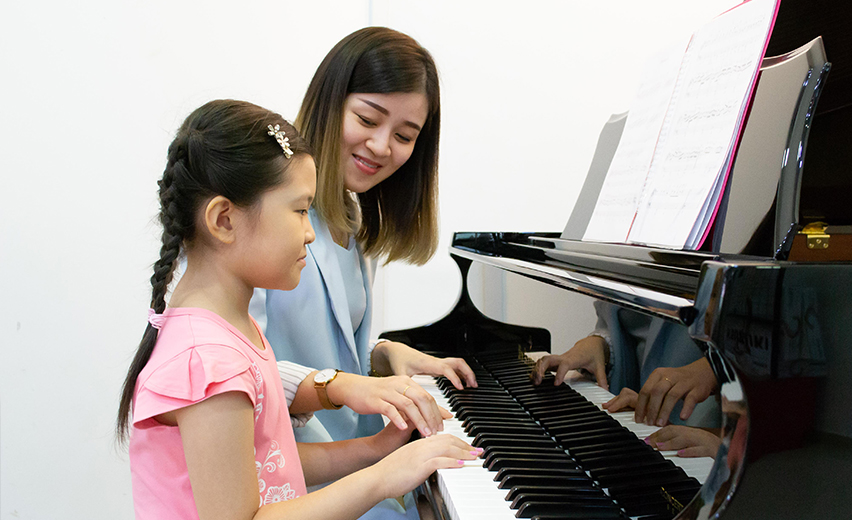
A quiet half-hour at the piano, or an afternoon jamming on guitar or drums, can be a welcome break from a busy week. Many people find that playing helps them unwind, process emotions and feel more balanced.
6. It connects people
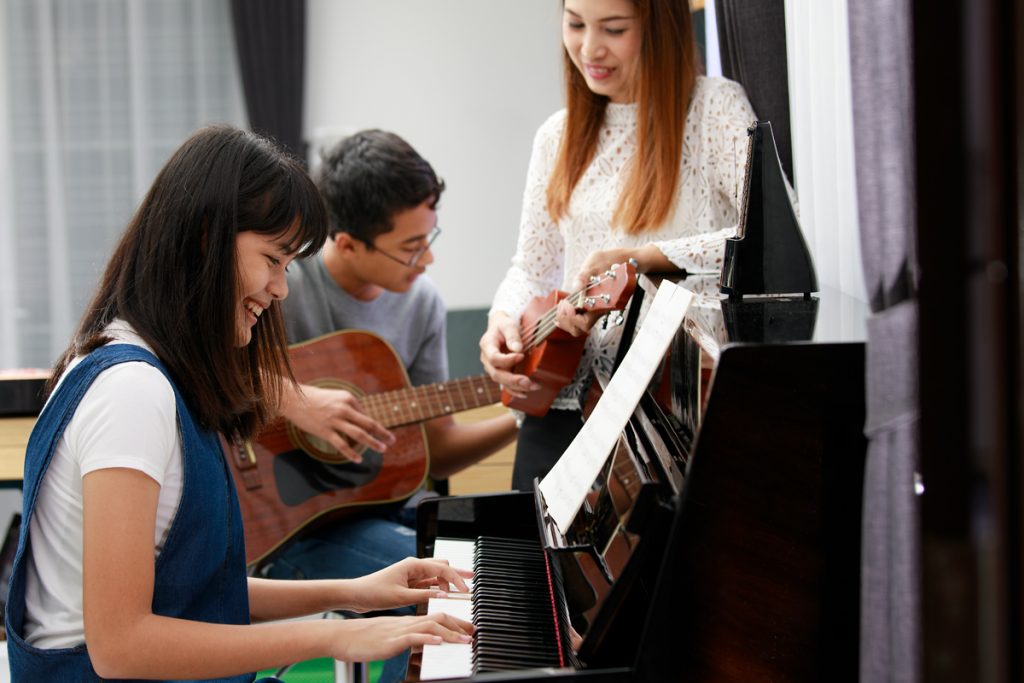
Music is meant to be shared. Playing in ensembles, bands and concerts teaches listening, teamwork and respect for others, and it often creates friendships across ages and backgrounds.
7. It becomes a lifelong skill
Perhaps the greatest gift of music education is that it lasts. A child who learns to play can carry that ability into adulthood, whether as a hobby, a stress-reliever or a way to connect with family and friends. At Cristofori, we see music as a journey of Learn • Practice • Performance • Examination • Enjoy, and the enjoyment never has to stop.
Starting the Journey
It’s never too early, and never too late, to begin. The best time to start is when a child shows curiosity, and the best teacher is one who makes learning fun, structured and encouraging.
Ready to begin? Book a trial class at Cristofori Music School and let your child take the first step.