

Why Wood Matters: Tonewoods at the Root of Quality Instruments
When we talk about musical tone, we often focus on technique, strings, reeds, or electronics. But beneath all of that lies a quieter influence that shapes how an instrument sounds, responds, and even feels to play: wood.
Across pianos, guitars, violins, ukuleles, and drum kits, different woods — often called tonewoods — play a crucial role in resonance, projection, warmth, and clarity. Understanding this doesn’t require advanced physics; it simply deepens how we listen and appreciate sound.
How Wood Affects Sound
At its core, wood influences three main aspects of tone:
- Resonance – how freely sound vibrates and sustains
- Timbre – warmth, brightness, and tonal complexity
- Response – how quickly sound reacts to touch or attack
Denser woods tend to produce focused, powerful tones. Lighter woods often sound warmer, more open, and quicker to respond. The way wood is cut, aged, and combined also matters greatly — sometimes as much as the species itself.
Pianos: The Hidden Power of the Soundboard

For pianos, the most important tonewood is the soundboard , typically made from spruce.
Spruce is prized because it is light yet strong, highly elastic, and exceptionally good at transmitting vibration. A well-crafted spruce soundboard acts like the piano’s voice box, amplifying string vibrations and shaping tone colour, projection, and sustain.
European piano makers have long been known for their careful selection and seasoning of soundboard spruce, often sourced from high-altitude regions where slow-growing trees develop ideal grain density. Companies such as C. Bechstein, W. Hoffman, Seiler, and Petrof are especially respected for this tradition, combining high-quality spruce soundboards with finely engineered rims made from hardwoods like maple and beech. These structural woods contribute stability, clarity, and long-term durability, allowing the instrument’s tone to mature beautifully over time.
This attention to wood choice and craftsmanship is one reason why two pianos of similar size can sound remarkably different — even before a single note is played.
Guitars: A Balance of Top, Back, and Sides

Acoustic & Classical Guitars
In acoustic and classical guitars, the top (soundboard) has the greatest impact on tone.
- Common top woods include: Spruce (clear, articulate, with a wide dynamic range) and Cedar (warmer, darker, and more immediately responsive).
- Back and side woods shape resonance and tonal colour: Rosewood (rich overtones and deep bass), Mahogany (focused mids and warmth), and Maple (brightness and strong note separation).
Renowned European guitar makers such as Esteve, Alhambra, and Raimundo are known for pairing traditional Spanish craftsmanship with carefully selected tonewoods. Their classical and flamenco guitars often feature solid spruce or cedar tops combined with rosewood or mahogany backs and sides, resulting in instruments that respond sensitively to touch and support expressive phrasing — qualities especially valuable for students developing tone control and musical nuance.

Don’t get us started on some more exotic selections like Koa (endemic to Hawaii), Cocobolo, or Ziricote among others for their vibrant appearance and exceptional tonal colour, or increasingly regulated Indian Rosewood. That’s a whole other rabbit-hole to dive into!
Electric Guitars

While pickups play a major role in shaping amplified sound, wood still influences sustain, attack, and feel.
- Common electric guitar woods include: Alder (balanced and versatile), Ash (bright with strong low-end clarity), Mahogany (warm, thick tone with long sustain), and Maple (often used for necks or tops to add brightness and snap).

The wood determines how strings vibrate before the signal even reaches the electronics, subtly shaping the instrument’s personality.
Violins: Centuries of Wood Wisdom

String instruments rely on a finely balanced combination of woods.
- Spruce is used for the top plate for its responsiveness and clarity.
- Maple is used for the back, sides, and neck, adding brilliance and strength.
The interaction between these woods gives violins their singing quality and wide dynamic range. Aging, carving precision, and wood density all contribute to why great violins continue to develop sonically over time.
Check out top quality violins here in Singapore at our Sun Mao Violin Workshop at Blk 3013 Bedok Industrial Park E #04-2120 Singapore 489979. Reach out to them to book an appointment by call or WhatsApp to (+65) 88238599.
Ukuleles: Small but Mighty

Because ukuleles are compact, wood choice plays an especially noticeable role in tone.
- Common ukulele tonewoods include: Mahogany (warm, mellow, and balanced), Koa (bright, lively, and traditionally associated with Hawaiian ukuleles), and Spruce tops (increased clarity and projection).
A wide variety of ukuleles and acoustic guitars, covering different wood combinations and sizes, allows students to hear and feel these differences firsthand. As listening skills develop, players begin to recognise how wood affects sweetness, volume, and responsiveness — even in smaller instruments.
Drum Kits: More Than Just Skins and Sticks
Drum shells act as resonating chambers, and wood choice shapes tone dramatically.
- Common drum woods include: Maple (warm, balanced, and versatile), Birch (bright attack with focused projection), and Mahogany (deep, punchy, vintage character).
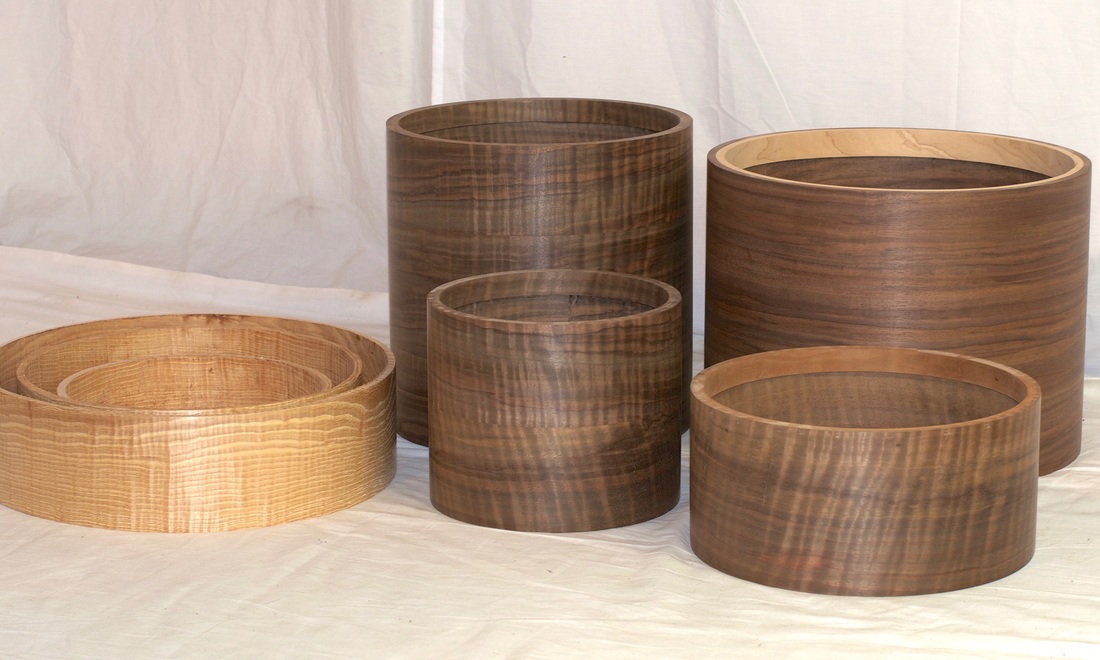
Shell thickness also matters: thicker shells produce louder, more focused tones, while thinner shells resonate more freely. For drummers, wood choice affects both sound and dynamic response.
Sustainability and Instrument Care

The Future of Tonewoods (Sustainability)
The very best tonewoods—such as Brazilian Rosewood, some species of Mahogany, and older, slowly-grown spruce—are becoming increasingly scarce and, in many cases, heavily regulated under international agreements (like CITES). This is a crucial topic for the industry and for instrument owners.
- Innovation: Manufacturers are now exploring excellent alternative tonewoods (like Walnut, Cherry, and Bamboo) and highly sustainable practices, such as utilizing reclaimed wood or thermal modification (torrefaction) to treat common woods so they achieve the sound qualities of aged timber.

- Ethical Sourcing: Supporting brands that prioritize responsible and certified sustainable sourcing helps preserve these precious natural resources for future generations of musicians.
The Importance of Caring for Wood (Maintenance)
Unlike metal or plastic, wood is organic and constantly reacting to its environment. Proper instrument care is essential for maintaining the wood’s acoustic properties and structural integrity.
- Humidity: Wood expands and contracts with changes in humidity. For solid wood instruments like guitars and violins, extreme shifts can cause cracking, warping, and serious tonal damage. Storing instruments in a climate-controlled environment or using humidifiers is vital.
- Temperature: Avoid exposing instruments to rapid temperature changes or direct heat (like car boots or direct sunlight), which stress the wood and glues.
- Cleaning: Regular, gentle cleaning with appropriate, non-abrasive polishes and cloths helps protect the wood’s finish and longevity.
Why This Matters for Students
Understanding tonewoods isn’t about choosing a “better” instrument — it’s about listening more deeply.
As students progress, recognising how materials affect sound helps them:
- Develop a more refined ear
- Make informed instrument choices
- Understand why technique interacts differently with different instruments
- Appreciate craftsmanship, not just brand names
For families and students in Singapore, this is especially valuable when instruments can be explored both online and in person. A wide selection of pianos, guitars, and ukuleles is available via Cristofori’s eShop, with many models also viewable and playable at Cristofori showrooms island-wide — allowing players to experience how wood, build, and touch come together in real life.
Final Thoughts
Wood is the silent partner in music-making. It doesn’t replace good technique, but it amplifies it — shaping warmth, clarity, power, and character across every family of instruments.
The more we understand how tonewoods work, the more intentional we become as listeners and musicians. And ultimately, that awareness leads to better playing, more meaningful practice, and a deeper connection to sound itself.
Want to try some of the best European pianos in the world? Book a tasting with at the European Timbre Piano Showcase at the Music Paradise of Cristofori Music (9 Bishan Place, #04-02D, Junction 8 Shopping Centre, Singapore 579837). Find out more here!


