Blog

Why Wood Matters: Tonewoods at the Root of Quality Instruments

When we talk about musical tone, we often focus on technique, strings, reeds, or electronics. But beneath all of that lies a quieter influence that shapes how an instrument sounds, responds, and even feels to play: wood.

Across pianos, guitars, violins, ukuleles, and drum kits, different woods — often called tonewoods — play a crucial role in resonance, projection, warmth, and clarity. Understanding this doesn’t require advanced physics; it simply deepens how we listen and appreciate sound.

How Wood Affects Sound

At its core, wood influences three main aspects of tone:

  • Resonance – how freely sound vibrates and sustains
  • Timbre – warmth, brightness, and tonal complexity
  • Response – how quickly sound reacts to touch or attack

Denser woods tend to produce focused, powerful tones. Lighter woods often sound warmer, more open, and quicker to respond. The way wood is cut, aged, and combined also matters greatly — sometimes as much as the species itself.


Pianos: The Hidden Power of the Soundboard

This image has an empty alt attribute; its file name is image.png

For pianos, the most important tonewood is the soundboard , typically made from spruce.

Spruce is prized because it is light yet strong, highly elastic, and exceptionally good at transmitting vibration. A well-crafted spruce soundboard acts like the piano’s voice box, amplifying string vibrations and shaping tone colour, projection, and sustain.

European piano makers have long been known for their careful selection and seasoning of soundboard spruce, often sourced from high-altitude regions where slow-growing trees develop ideal grain density. Companies such as C. Bechstein, W. Hoffman, Seiler, and Petrof are especially respected for this tradition, combining high-quality spruce soundboards with finely engineered rims made from hardwoods like maple and beech. These structural woods contribute stability, clarity, and long-term durability, allowing the instrument’s tone to mature beautifully over time.

This attention to wood choice and craftsmanship is one reason why two pianos of similar size can sound remarkably different — even before a single note is played.


Guitars: A Balance of Top, Back, and Sides

This image has an empty alt attribute; its file name is image-5-1132x800.png

Acoustic & Classical Guitars

In acoustic and classical guitars, the top (soundboard) has the greatest impact on tone.

  • Common top woods include: Spruce (clear, articulate, with a wide dynamic range) and Cedar (warmer, darker, and more immediately responsive).
  • Back and side woods shape resonance and tonal colour: Rosewood (rich overtones and deep bass), Mahogany (focused mids and warmth), and Maple (brightness and strong note separation).

Renowned European guitar makers such as Esteve, Alhambra, and Raimundo are known for pairing traditional Spanish craftsmanship with carefully selected tonewoods. Their classical and flamenco guitars often feature solid spruce or cedar tops combined with rosewood or mahogany backs and sides, resulting in instruments that respond sensitively to touch and support expressive phrasing — qualities especially valuable for students developing tone control and musical nuance.

This image has an empty alt attribute; its file name is image.jpeg

Don’t get us started on some more exotic selections like Koa (endemic to Hawaii), Cocobolo, or Ziricote among others for their vibrant appearance and exceptional tonal colour, or increasingly regulated Indian Rosewood. That’s a whole other rabbit-hole to dive into!

Electric Guitars

This image has an empty alt attribute; its file name is image-2-1300x435.png

While pickups play a major role in shaping amplified sound, wood still influences sustain, attack, and feel.

  • Common electric guitar woods include: Alder (balanced and versatile), Ash (bright with strong low-end clarity), Mahogany (warm, thick tone with long sustain), and Maple (often used for necks or tops to add brightness and snap).

This image has an empty alt attribute; its file name is image-1-667x800.jpeg

The wood determines how strings vibrate before the signal even reaches the electronics, subtly shaping the instrument’s personality.


Violins: Centuries of Wood Wisdom

This image has an empty alt attribute; its file name is image-3.png

String instruments rely on a finely balanced combination of woods.

  • Spruce is used for the top plate for its responsiveness and clarity.
  • Maple is used for the back, sides, and neck, adding brilliance and strength.

The interaction between these woods gives violins their singing quality and wide dynamic range. Aging, carving precision, and wood density all contribute to why great violins continue to develop sonically over time.

Check out top quality violins here in Singapore at our Sun Mao Violin Workshop at Blk 3013 Bedok Industrial Park E #04-2120 Singapore 489979. Reach out to them to book an appointment by call or WhatsApp to (+65) 88238599.

Ukuleles: Small but Mighty

This image has an empty alt attribute; its file name is image-4.png
Ukuleles originate from Hawaii and are traditionally made of Koa wood, which is native to the region.

Because ukuleles are compact, wood choice plays an especially noticeable role in tone.

  • Common ukulele tonewoods include: Mahogany (warm, mellow, and balanced), Koa (bright, lively, and traditionally associated with Hawaiian ukuleles), and Spruce tops (increased clarity and projection).

A wide variety of ukuleles and acoustic guitars, covering different wood combinations and sizes, allows students to hear and feel these differences firsthand. As listening skills develop, players begin to recognise how wood affects sweetness, volume, and responsiveness — even in smaller instruments.


Drum Kits: More Than Just Skins and Sticks

Drum shells act as resonating chambers, and wood choice shapes tone dramatically.

  • Common drum woods include: Maple (warm, balanced, and versatile), Birch (bright attack with focused projection), and Mahogany (deep, punchy, vintage character).
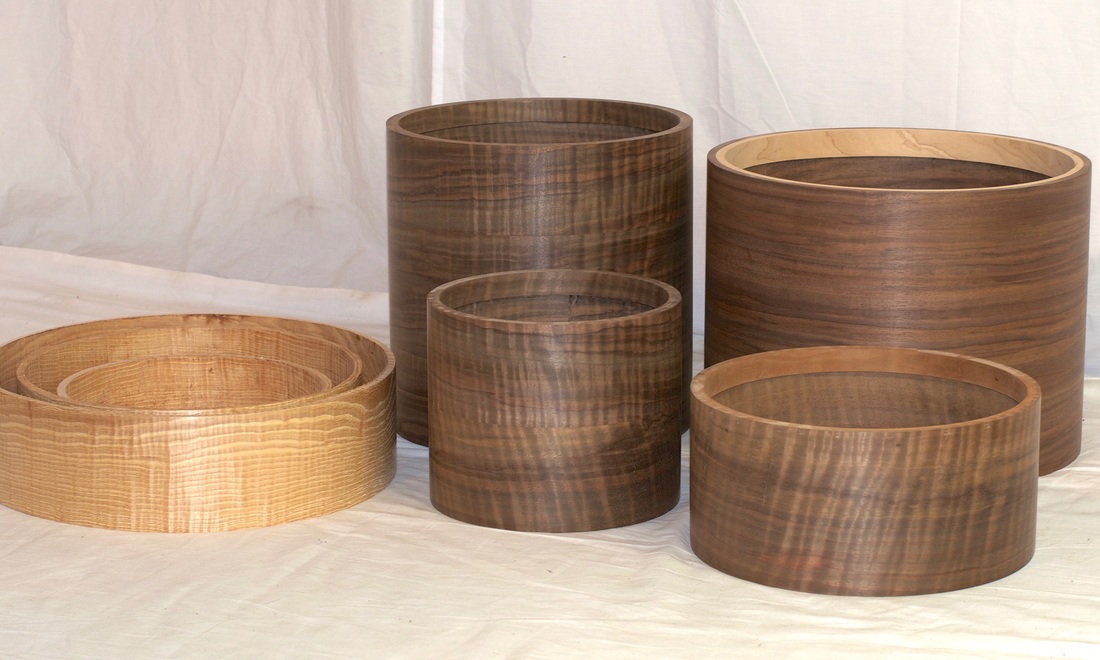
Drum shells can be made from various materials, including different tonewoods.

Shell thickness also matters: thicker shells produce louder, more focused tones, while thinner shells resonate more freely. For drummers, wood choice affects both sound and dynamic response.


Sustainability and Instrument Care

This image has an empty alt attribute; its file name is image-1.png
Paneveggio Forest in Italy’s Dolomites, famous for its red spruce trees (Picea abies) that produce exceptional tonewood for crafting high-quality violins, cellos, and pianos was declared a UNESCO World Heritage site in 2009.

The Future of Tonewoods (Sustainability)

The very best tonewoods—such as Brazilian Rosewood, some species of Mahogany, and older, slowly-grown spruce—are becoming increasingly scarce and, in many cases, heavily regulated under international agreements (like CITES). This is a crucial topic for the industry and for instrument owners.

  • Innovation: Manufacturers are now exploring excellent alternative tonewoods (like Walnut, Cherry, and Bamboo) and highly sustainable practices, such as utilizing reclaimed wood or thermal modification (torrefaction) to treat common woods so they achieve the sound qualities of aged timber.
Companies like the Pearl River Piano Group have explored alternative materials for some lines of their instruments such as the Kayserburg KP121 – Bamboo Series.
  • Ethical Sourcing: Supporting brands that prioritize responsible and certified sustainable sourcing helps preserve these precious natural resources for future generations of musicians.

The Importance of Caring for Wood (Maintenance)

Unlike metal or plastic, wood is organic and constantly reacting to its environment. Proper instrument care is essential for maintaining the wood’s acoustic properties and structural integrity.

  • Humidity: Wood expands and contracts with changes in humidity. For solid wood instruments like guitars and violins, extreme shifts can cause cracking, warping, and serious tonal damage. Storing instruments in a climate-controlled environment or using humidifiers is vital.
  • Temperature: Avoid exposing instruments to rapid temperature changes or direct heat (like car boots or direct sunlight), which stress the wood and glues.
  • Cleaning: Regular, gentle cleaning with appropriate, non-abrasive polishes and cloths helps protect the wood’s finish and longevity.

Why This Matters for Students

Understanding tonewoods isn’t about choosing a “better” instrument — it’s about listening more deeply.

As students progress, recognising how materials affect sound helps them:

  • Develop a more refined ear
  • Make informed instrument choices
  • Understand why technique interacts differently with different instruments
  • Appreciate craftsmanship, not just brand names

For families and students in Singapore, this is especially valuable when instruments can be explored both online and in person. A wide selection of pianos, guitars, and ukuleles is available via Cristofori’s eShop, with many models also viewable and playable at Cristofori showrooms island-wide — allowing players to experience how wood, build, and touch come together in real life.

Final Thoughts

Wood is the silent partner in music-making. It doesn’t replace good technique, but it amplifies it — shaping warmth, clarity, power, and character across every family of instruments.

The more we understand how tonewoods work, the more intentional we become as listeners and musicians. And ultimately, that awareness leads to better playing, more meaningful practice, and a deeper connection to sound itself.

Want to try some of the best European pianos in the world? Book a tasting with at the European Timbre Piano Showcase at the Music Paradise of Cristofori Music (9 Bishan Place, #04-02D, Junction 8 Shopping Centre, Singapore 579837). Find out more here!

Read more
Blog

Planning Your Practice Sessions: A Guide for Music Learners of All Levels

Practising music isn’t just about putting in the hours — it’s about how you use your time. A well-planned session helps you progress consistently, feel more confident, and actually enjoy the learning process, no matter what instrument you play. This how-to guide is written for young musicians (and anyone young at heart) who want their practice to feel smoother, clearer, and more rewarding.

1. Start with a clear goal

Before you begin, decide what you want to achieve today. A good practice goal is focused, realistic, and small enough to finish in one session.

This might look like: • Piano: making a four-bar left-hand pattern feel steady and controlled • Guitar: smoothing a tricky chord change so it flows naturally • Violin: fixing an out-of-tune phrase so it sits cleanly with the backing track • Drums: tightening a groove or fill so it feels stable, clean, and precise

A clear goal keeps you from drifting into random playing and makes improvement easier to notice.

2. Warm Up With Intention

A warm-up isn’t something to rush through — it prepares your body and sets your focus.

Examples: • Pianists: slow scales or five-finger patterns • Guitarists: gentle finger stretching or simple picking patterns • String players: long bows and relaxed scales • Drummers: quiet, slow rudiments • Singers: humming, lip trills, or easy slides

Keep your warm-up short, calm, and controlled.

3. Work in Small Sections

Instead of playing the whole piece over and over, break it into small, manageable chunks. Most musicians improve faster when they zoom in on the hardest spots.

Try practising: • A single phrase • Four bars • One tricky shift, run, or rhythm • A difficult hand position or bow change

If a section still feels overwhelming, shrink it further. Three well-built bars are more valuable than three messy play-throughs.

4. Slow Practice — But the Right Kind of Slow

You’ve probably heard the saying: “If you can play it slowly, you can play it fast.” Musicians debate this, but the fuller truth is more useful:

Slow practice works only when it is easy, accurate, and relaxed.

It’s not about dragging through the notes — it’s about giving your fingers, ears, and brain time to understand the music clearly. If the slow version feels tense, uncertain, or uneven, speeding up won’t fix it.

Once your slow playing feels smooth and controlled, increase the tempo gradually. A great approach is to combine: • Medium-tempo practice, where everything feels mostly comfortable • Short bursts at full speed, just a few notes at a time, so your muscles learn what fast movement actually feels like

This helps you gain speed with confidence instead of forcing it.

How this looks on different instruments: • Piano: relaxed wrists, clear finger patterns, stable hand shapes • Guitar: light left-hand pressure, consistent picking, no clamping • Violin: slow bow control, centred intonation, even shifts • Drums: clean sticking and steady subdivisions

If you can play it slowly with ease and accuracy, you can speed it up later with confidence.

5. Switch Between “Building” and “Testing”

A productive practice session usually alternates between two modes:

Building mode — slow, careful, focused problem-solving. Testing mode — play a longer section at a comfortable tempo to see how it holds together.

A balanced session might look like: • Fix eight difficult bars (building) • Play the whole page to check progress (testing)

Switching modes keeps your practice interesting and helps you track improvement.

6. Record Yourself — Even Once a Week Helps

Recording is one of the quickest shortcuts to better playing. You’ll hear things you miss while playing.

Listen back for: • Rhythm and timing • Tone quality • How smoothly you change positions • Dynamic contrast • Rushing or dragging

This works for every instrument, from piano to drums to vocals, and more.

7. End on a Positive Note

Never finish a session right after something frustrating. Ending with something enjoyable helps you associate practice with progress, not stress.

Try: • A favourite piece • An improvisation • A polished section you’re proud of • A fun groove or riff

This small habit makes it easier to come back tomorrow.

These Tips Work for Every Instrument

Even though the examples come from a range of instruments, the underlying principles are universal. No matter what you play — piano, guitar, violin, drums, voice, or anything else — effective practice always includes: • Clear, achievable goals • An intentional warm-up • Working in small, focused sections • The right kind of slow practice • A balance between building and testing • Occasional recording and self-review • Ending with something musical and satisfying

Repetition is just a small part of a good practice session. Remember; it’s thoughtful, patient planning that gets you the best outcome and helps you improve with confidence and consistency.

Final Thoughts

You don’t need long hours to make real progress. What you need is focus, curiosity, and steady habits. When you know how to plan your practice, every session becomes more productive, more musical, and much more enjoyable.

If you’re looking to get started on your Music Journey, reach out to our Lessons Enquiry Hotline to find out how!

Read more
Blog

Musicale 2025: Celebrating 45 Years of Music, Passion & Legacy

Cristofori Music School celebrated its 45th Anniversary in grand style with Musicale 2025, a spectacular showcase of music and artistry that brought together students, teachers, alumni, and families in a heartfelt evening of performances and memories. Held on 8 November 2025, the concert captured everything Cristofori stands for — creativity, excellence, and the joy of making music together.

A Journey from Humble Beginnings

Founded in 1980, Cristofori began with a single dream — to make quality instruments and music education accessible to every home in Singapore. From one small piano store, we have grown into the nation’s largest music school network, having taught over one million students and delivered more than 60,000 pianos to homes across the island. This incredible journey has been guided by one enduring belief: music is for everyone.

A Celebration of Music and Community

Musicale 2025 was not just a concert, but a living tribute to 45 years of passion and progress. The programme unfolded in themed acts that traced the school’s musical story.

Act I – The Legacy Begins opened with Bach’s Air on the G String, performed by this year’s CMS String Ensemble led by Teacher Erwin Sudarmanto setting a tone of elegance and reflection. This was followed by childhood favorites of many generations, including works by Joe Hisaishi for Studio Ghibli, reminding us of the timeless foundations upon which Cristofori was built.


Act II – Piano Energy & Healing showcased the piano at the heart of our identity. From the poetic lyricism of Weissenberg’s En Avril, à Paris to Liszt’s dazzling Tarantella, performed respectively by pround Cristofori Alumni Carmen Wee, and William Wei respectively. Each performer displayed both technical brilliance and expressive artistry. Anime-inspired pieces by Animenz added a modern touch, connecting classical training with contemporary creativity.

Act III – Rhythm & Power lifted the energy with percussion and ensemble performances that filled the hall with vitality. From K-Pop Demin Hunter’s Golden to Strauss’ Radetzky March that featured the audience as part of the performance, Beeethoven’s Romance No.1 in G major, and Celebration by Kool & The Gang, the spirit of joy was unmistakable — a reflection of the community that music builds.

The concert concluded with Act IV – A Grand Celebration of Passion, bringing together a full cast of young musicians and vocalists for show-stopping numbers such as Divas Medley of songs from Taylor Swift, Olivia Rodrigo, Dua Lipa and Billie Eilish, Yellow, and The Greatest Show. The finale embodied the unity and confidence of a generation raised on Cristofori’s belief in the transformative power of music.


Honouring Our Legacy and Looking Ahead

A highlight of the evening was the return of distinguished alumni Carmen Wee and William Wei, whose performances and reflections reminded everyone how far a Cristofori education can carry a dream. Their journeys stand as a testament to our mission — to nurture not only skill, but also artistry, character, and lifelong passion.

As Cristofori moves beyond its 45th year, we remain committed to inspiring future generations through music learning, innovation, and community collaboration. From classroom lessons to concert stages, our mission continues: to bring music into every home and every heart.

A Heartfelt Thank-You

To our dedicated teachers, talented students, and supportive parents — thank you for being part of this extraordinary milestone. Musicale 2025 was not just another school concert, but a celebration of who we are, what we’ve achieved, and what we continue to strive for together.

🎉 Here’s to 45 years of music, passion, and legacy — and to many more years of inspiring generations to come.

Catch more photos from Musicale 2025 on our Facebook page!


Read more
Blog

Oxygen Music Festival 2025 – Celebrating Passion, Creativity, and Community

From 18–20 April 2025, the Oxygen Music Festival lit up Singapore’s music scene with a three-day celebration of creativity, dedication, and shared joy. Held across two unique venues — Bechstein Music World at Shenton Way and the Rooftop Garden at Junction 8 in Bishan — this year’s edition embraced a wider audience than ever before, bringing together young performers from Cristofori, other music schools, and the broader community in a warm and inclusive atmosphere.


More than just a competition, the festival featured a full slate of enhanced music workshops led by our most passionate and capable teachers, as well as guest educators from across Asia. Across 18 and 19 April, participants of all levels — from beginners to advanced students — immersed themselves in hands-on sessions for drums, guitar, ukulele, piano, violin, and more, with tailored learning tracks to suit every level and instrument. These workshops were not only well-attended, but also deeply encouraging, offering new insights and sparking fresh motivation in students of all ages.


The heart of the festival, however, beat strongest on 20 April, when the celebrations culminated in the highly anticipated Platinum Winners Concert and Grand Awards Ceremony. The concert presented 14 outstanding performances in six themed segments — from striking self-compositions and timeless classics, to beloved anime and pop tunes that brought smiles to every face in the crowd. Every act was a reminder of how far these young musicians had come, and how much they had to offer.


The concert program presented by the Platinum Award winers highlighted the diversity of talent on display at this year’s competition. Expressive duets, a powerful drum solo, or the tender notes of a familiar evergreen melody, each performance was delivered with heart and polish — the kind that comes only from hours of practice, coaching, and true love for music.

The Awarding Ceremony that followed was a lively affair, honouring the dedication of every performer and celebrating those who stood out across the Children, Teenager, Open, and Group categories. Platinum Award winners received $300 in cash and a trophy, while Gold Award winners took home $200 and a trophy — a token of appreciation for the incredible effort behind each success story.

This year’s Oxygen Music Festival reminded us that music education is not simply about grades or recitals, but also about finding one’s voice, building confidence, connecting with others, and growing through every note played. The incredible turnout — from performers to supportive parents, teachers, and enthusiastic audiences — is a testament to the thriving musical spirit in our midst.

As we wrap up another unforgettable edition, we extend our heartfelt thanks to every student, parent, teacher, and guest who joined us on this journey. Your presence made the festival not just an event, but a community experience — one filled with joy, discovery, and inspiration.

Here’s to another year of making music together — we’ll see you at the next one!

You can still tag @cristofori.music and use #OxygenMusicFestival25 on Instagram, Facebook, and XiaoHongShu to share your favourite memories.

For more updates, photos, and stories, follow Cristofori Music on Facebook and stay tuned for what’s next!

Read more
Blog

The Benefits and Challenges of Joining Music Competitions

With competition season upon us, musicians from all over the globe are gearing up to showcase their talents and passion for music. Whether you’re a pianist preparing for the Fifth Amason Award Pop Piano International Competition or a drummer eyeing the Asian Supreme Drum Competition, the journey ahead promises growth, excitement, and invaluable experiences. Participating in music competitions can offer a wealth of benefits, from skill enhancement and constructive feedback to networking opportunities and personal growth. However, it’s also important to navigate the challenges that come with these high-stakes events. Let’s explore the multifaceted world of music competitions, examining both the rewards and the hurdles, to ensure a balanced and fulfilling competitive journey.  

This image has an empty alt attribute; its file name is IMG_3280-1200x800.jpg

Benefits of Participating in Music Competitions

Participating in music competitions, regardless of the instrument, offers numerous benefits that significantly contribute to personal and professional growth. These events can serve as catalysts for skill enhancement, as the rigorous practice required improves technical mastery and overall musicianship. Additionally, performing in front of an audience enhances stage presence and boosts performance confidence, essential traits for any aspiring musician.

One of the key advantages of competitions is the constructive feedback participants receive. Experienced judges provide valuable critiques, helping competitors identify their strengths and areas for improvement. Engaging with fellow competitors also offers informal feedback and the opportunity to learn through observation, fostering a collaborative learning environment.

Recognition and exposure are other significant benefits. Winning or placing in competitions brings accolades and prestige, enhancing resumes and opening doors to future opportunities. Competitions often attract media attention, providing participants with publicity that can lead to further prospects. Moreover, these events are excellent networking venues, allowing musicians to connect with industry professionals, educators, and other musicians. Building a community of like-minded individuals fosters both friendships and professional relationships.

Competitions also contribute to personal growth. Successfully participating builds self-confidence and reduces performance anxiety, while the process teaches resilience and the ability to handle both success and disappointment gracefully. Educational and career advancements are common outcomes, with many competitions offering scholarships, grants, or financial incentives that support further education or career development. Success in these events can lead to advanced studies, professional gigs, and teaching opportunities.

Creativity and interpretation are encouraged in competitive settings. Competitors often bring their unique interpretation to their performances, fostering artistic development and broadening their repertoire. The goal-setting aspect of competitions provides a clear objective, enhancing motivation and dedication to practice. Many participants find the process of preparing and performing deeply rewarding and enjoyable, reigniting or deepening their passion for music.  

This image has an empty alt attribute; its file name is IMG00111-1200x800.jpg

Potential Drawbacks of Participating in Music Competitions

While the benefits of participating in competitions are substantial, there are also some potential drawbacks to look out for. the high-stakes nature of competitions can induce significant stress and performance anxiety, particularly in younger or less experienced musicians. The pressure to meet high expectations, whether self-imposed or from teachers and parents, can lead to undue stress. The time commitment required for competition preparation is considerable and can detract from other activities and responsibilities. Balancing competition preparation with school, work, or other commitments can be challenging and exhausting. Financially, the costs associated with entry fees, travel, accommodation, and other expenses can be burdensome for some families.

There is also a risk of burnout due to intense preparation. The physical and mental fatigue from rigorous practice can lead to a loss of interest in music over time. The competitive nature of these events can result in an overemphasis on winning rather than appreciating the intrinsic value of music and personal growth. Failure to win or place well can negatively impact self-esteem and confidence, especially in younger participants.

Negative experiences can also arise from perceived or actual biases in judging, leading to frustration and a sense of injustice. Constantly comparing oneself with others can be demotivating and foster feelings of inadequacy. Additionally, the focus on technical perfection can sometimes overshadow the expressive and emotional aspects of music, and preparing specific pieces for competitions might limit exposure to a broader range of repertoire and musical styles. Intense and prolonged practice sessions increase the risk of physical strain or injury, particularly repetitive strain injuries. External pressure from teachers or parents can also create a negative experience if not managed carefully!

This image has an empty alt attribute; its file name is WhatsApp-Image-2023-08-24-at-13.22.26-1-600x800.jpeg

In conclusion, while music competitions like the Asian Supreme Drum Competition and the Fifth Amason Award Pop Piano International Competition offer numerous benefits, including skill enhancement, recognition, and networking opportunities, they also come with potential drawbacks. Participants and their support systems should be aware of these challenges and should always strive to maintain a balanced, healthy approach to competitive music. Managing stress, setting realistic goals, and focusing on the love of music can help mitigate some of these potential negatives, ensuring a positive and enriching experience. With the right mindset and a healthy competitive spirit, participating in music competitions can definitely be a fruitful and enriching journey.


Read more