Blog

Why Wood Matters: Tonewoods at the Root of Quality Instruments

When we talk about musical tone, we often focus on technique, strings, reeds, or electronics. But beneath all of that lies a quieter influence that shapes how an instrument sounds, responds, and even feels to play: wood.

Across pianos, guitars, violins, ukuleles, and drum kits, different woods — often called tonewoods — play a crucial role in resonance, projection, warmth, and clarity. Understanding this doesn’t require advanced physics; it simply deepens how we listen and appreciate sound.

How Wood Affects Sound

At its core, wood influences three main aspects of tone:

  • Resonance – how freely sound vibrates and sustains
  • Timbre – warmth, brightness, and tonal complexity
  • Response – how quickly sound reacts to touch or attack

Denser woods tend to produce focused, powerful tones. Lighter woods often sound warmer, more open, and quicker to respond. The way wood is cut, aged, and combined also matters greatly — sometimes as much as the species itself.


Pianos: The Hidden Power of the Soundboard

This image has an empty alt attribute; its file name is image.png

For pianos, the most important tonewood is the soundboard , typically made from spruce.

Spruce is prized because it is light yet strong, highly elastic, and exceptionally good at transmitting vibration. A well-crafted spruce soundboard acts like the piano’s voice box, amplifying string vibrations and shaping tone colour, projection, and sustain.

European piano makers have long been known for their careful selection and seasoning of soundboard spruce, often sourced from high-altitude regions where slow-growing trees develop ideal grain density. Companies such as C. Bechstein, W. Hoffman, Seiler, and Petrof are especially respected for this tradition, combining high-quality spruce soundboards with finely engineered rims made from hardwoods like maple and beech. These structural woods contribute stability, clarity, and long-term durability, allowing the instrument’s tone to mature beautifully over time.

This attention to wood choice and craftsmanship is one reason why two pianos of similar size can sound remarkably different — even before a single note is played.


Guitars: A Balance of Top, Back, and Sides

This image has an empty alt attribute; its file name is image-5-1132x800.png

Acoustic & Classical Guitars

In acoustic and classical guitars, the top (soundboard) has the greatest impact on tone.

  • Common top woods include: Spruce (clear, articulate, with a wide dynamic range) and Cedar (warmer, darker, and more immediately responsive).
  • Back and side woods shape resonance and tonal colour: Rosewood (rich overtones and deep bass), Mahogany (focused mids and warmth), and Maple (brightness and strong note separation).

Renowned European guitar makers such as Esteve, Alhambra, and Raimundo are known for pairing traditional Spanish craftsmanship with carefully selected tonewoods. Their classical and flamenco guitars often feature solid spruce or cedar tops combined with rosewood or mahogany backs and sides, resulting in instruments that respond sensitively to touch and support expressive phrasing — qualities especially valuable for students developing tone control and musical nuance.

This image has an empty alt attribute; its file name is image.jpeg

Don’t get us started on some more exotic selections like Koa (endemic to Hawaii), Cocobolo, or Ziricote among others for their vibrant appearance and exceptional tonal colour, or increasingly regulated Indian Rosewood. That’s a whole other rabbit-hole to dive into!

Electric Guitars

This image has an empty alt attribute; its file name is image-2-1300x435.png

While pickups play a major role in shaping amplified sound, wood still influences sustain, attack, and feel.

  • Common electric guitar woods include: Alder (balanced and versatile), Ash (bright with strong low-end clarity), Mahogany (warm, thick tone with long sustain), and Maple (often used for necks or tops to add brightness and snap).

This image has an empty alt attribute; its file name is image-1-667x800.jpeg

The wood determines how strings vibrate before the signal even reaches the electronics, subtly shaping the instrument’s personality.


Violins: Centuries of Wood Wisdom

This image has an empty alt attribute; its file name is image-3.png

String instruments rely on a finely balanced combination of woods.

  • Spruce is used for the top plate for its responsiveness and clarity.
  • Maple is used for the back, sides, and neck, adding brilliance and strength.

The interaction between these woods gives violins their singing quality and wide dynamic range. Aging, carving precision, and wood density all contribute to why great violins continue to develop sonically over time.

Check out top quality violins here in Singapore at our Sun Mao Violin Workshop at Blk 3013 Bedok Industrial Park E #04-2120 Singapore 489979. Reach out to them to book an appointment by call or WhatsApp to (+65) 88238599.

Ukuleles: Small but Mighty

This image has an empty alt attribute; its file name is image-4.png
Ukuleles originate from Hawaii and are traditionally made of Koa wood, which is native to the region.

Because ukuleles are compact, wood choice plays an especially noticeable role in tone.

  • Common ukulele tonewoods include: Mahogany (warm, mellow, and balanced), Koa (bright, lively, and traditionally associated with Hawaiian ukuleles), and Spruce tops (increased clarity and projection).

A wide variety of ukuleles and acoustic guitars, covering different wood combinations and sizes, allows students to hear and feel these differences firsthand. As listening skills develop, players begin to recognise how wood affects sweetness, volume, and responsiveness — even in smaller instruments.


Drum Kits: More Than Just Skins and Sticks

Drum shells act as resonating chambers, and wood choice shapes tone dramatically.

  • Common drum woods include: Maple (warm, balanced, and versatile), Birch (bright attack with focused projection), and Mahogany (deep, punchy, vintage character).
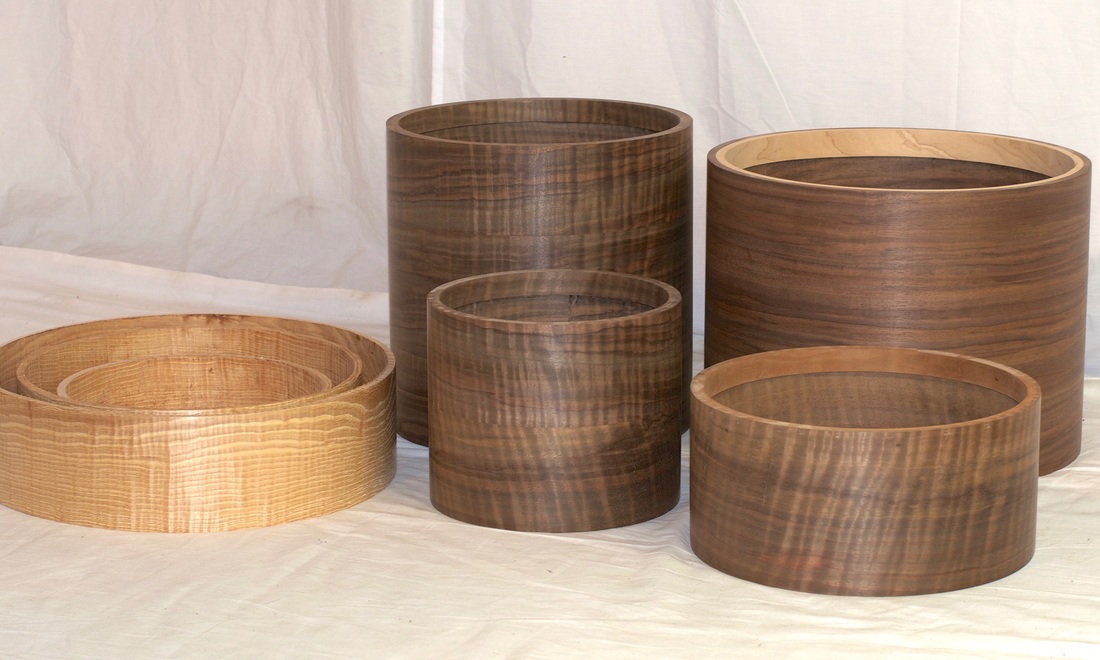
Drum shells can be made from various materials, including different tonewoods.

Shell thickness also matters: thicker shells produce louder, more focused tones, while thinner shells resonate more freely. For drummers, wood choice affects both sound and dynamic response.


Sustainability and Instrument Care

This image has an empty alt attribute; its file name is image-1.png
Paneveggio Forest in Italy’s Dolomites, famous for its red spruce trees (Picea abies) that produce exceptional tonewood for crafting high-quality violins, cellos, and pianos was declared a UNESCO World Heritage site in 2009.

The Future of Tonewoods (Sustainability)

The very best tonewoods—such as Brazilian Rosewood, some species of Mahogany, and older, slowly-grown spruce—are becoming increasingly scarce and, in many cases, heavily regulated under international agreements (like CITES). This is a crucial topic for the industry and for instrument owners.

  • Innovation: Manufacturers are now exploring excellent alternative tonewoods (like Walnut, Cherry, and Bamboo) and highly sustainable practices, such as utilizing reclaimed wood or thermal modification (torrefaction) to treat common woods so they achieve the sound qualities of aged timber.
Companies like the Pearl River Piano Group have explored alternative materials for some lines of their instruments such as the Kayserburg KP121 – Bamboo Series.
  • Ethical Sourcing: Supporting brands that prioritize responsible and certified sustainable sourcing helps preserve these precious natural resources for future generations of musicians.

The Importance of Caring for Wood (Maintenance)

Unlike metal or plastic, wood is organic and constantly reacting to its environment. Proper instrument care is essential for maintaining the wood’s acoustic properties and structural integrity.

  • Humidity: Wood expands and contracts with changes in humidity. For solid wood instruments like guitars and violins, extreme shifts can cause cracking, warping, and serious tonal damage. Storing instruments in a climate-controlled environment or using humidifiers is vital.
  • Temperature: Avoid exposing instruments to rapid temperature changes or direct heat (like car boots or direct sunlight), which stress the wood and glues.
  • Cleaning: Regular, gentle cleaning with appropriate, non-abrasive polishes and cloths helps protect the wood’s finish and longevity.

Why This Matters for Students

Understanding tonewoods isn’t about choosing a “better” instrument — it’s about listening more deeply.

As students progress, recognising how materials affect sound helps them:

  • Develop a more refined ear
  • Make informed instrument choices
  • Understand why technique interacts differently with different instruments
  • Appreciate craftsmanship, not just brand names

For families and students in Singapore, this is especially valuable when instruments can be explored both online and in person. A wide selection of pianos, guitars, and ukuleles is available via Cristofori’s eShop, with many models also viewable and playable at Cristofori showrooms island-wide — allowing players to experience how wood, build, and touch come together in real life.

Final Thoughts

Wood is the silent partner in music-making. It doesn’t replace good technique, but it amplifies it — shaping warmth, clarity, power, and character across every family of instruments.

The more we understand how tonewoods work, the more intentional we become as listeners and musicians. And ultimately, that awareness leads to better playing, more meaningful practice, and a deeper connection to sound itself.

Want to try some of the best European pianos in the world? Book a tasting with at the European Timbre Piano Showcase at the Music Paradise of Cristofori Music (9 Bishan Place, #04-02D, Junction 8 Shopping Centre, Singapore 579837). Find out more here!

Read more
Blog

Year-End Reset: Things Every Music Learner Should Do Before the New Year

Your guide to ending the year stronger — and starting the next one with purpose

December often feels like a blur of celebrations, travel, and well-deserved rest. But for music students, it’s also the perfect moment to pause, take stock, and set yourself up for a fresh, motivated start in the new year. Think of it as a musical reset: a chance to reflect on your growth, reorganise your space, and prepare for the exciting challenges ahead.

Whether you’re a beginner or preparing for advanced exams, here are seven year-end habits that can make a huge difference in your musical journey.


1. Look Back at How Far You’ve Come

Before setting new goals, take a moment to appreciate your progress. Listen to old practice recordings, revisit pieces you struggled with back in March, or try sight-reading something you couldn’t manage last year. You’ll be surprised by how much you’ve grown.

For younger students, this also makes practice feel meaningful — progress is easier to see when we stop and acknowledge it.


2. Clean and Reset Your Practice Space

  A tidy space makes for a focused mind. Clear out old scores, organise your books, give your instrument a wipe-down to remove dust and any grime build-up, and reset your stand, bench, or sticks. For apartment living in Singapore, even small improvements — like better lighting or a quieter practice corner — can make practice feel calmer and more enjoyable.

This is one of the quickest ways to boost your motivation without even touching a single scale.


3. Refresh Your Repertoire List

Make a list of:
  • Pieces you’ve mastered
  • Pieces in progress
  • Pieces you want to learn next year
  • Dream pieces to aim for
Teachers love seeing this kind of list — it shows ownership of your learning and helps craft a clearer plan for the New Year. Bonus: it also makes your lesson time more efficient. Your playlist should grow as you do!

4. Review Your Technique Fundamentals

December is ideal for strengthening the basics that get neglected during exam preparation or busy school terms.

For example:

  • Pianists: scales, arpeggios, voicing, wrist flexibility
  • Guitarists: chord transitions, clean fretting, picking accuracy
  • String players: bow control, intonation drills
  • Drummers: timing, stick control, consistent rudiments
  • Singers: breath control, resonance, vowel clarity

Think of this as your “technique tune-up” before January kicks off.


5. Try Something New (Even If It’s Just for Fun)

End the year with a little musical curiosity.

You could:

  • Improvise freely for 5 minutes
  • Learn a short holiday tune for family gatherings
  • Experiment with a genre you rarely play
  • Arrange a simple melody
  • Try a new practice app or backing track

Exploration keeps your relationship with music fresh — and often reveals skills you didn’t know you had.


6. Set Three Music Goals for the New Year

Not ten goals. Not resolutions you’ll forget by February. Just three clear, realistic goals that truly matter.

Examples:

  • “Improve my rhythm by practising with a metronome 4 times a week.”
  • “Finish my Grade 4 piano pieces by March.”
  • “Play one full song confidently for my family.”
  • “Join my school ensemble.”

Good goals are specific, motivating, and manageable.


7. Celebrate Your Achievements — Big or Small

Music learning is slow, steady, and deeply personal. It deserves celebrating.

Share a performance with your family, record your favourite piece of the year, or treat yourself to a new score, journal, or music gadget. Recognition builds confidence — and confidence fuels progress.


Final Thoughts

A year-end reset isn’t about starting over, but about moving forward carrying everything you’ve learned, clearing away what no longer serves you, and stepping into the new year with clarity and excitement.

With a refreshed mindset and a well-organised practice routine, you’ll be ready to take on new pieces, new exams, new performances — and a whole new musical year.

Looking for some new gear or accessories to spice up your music journey? Check out our E-Shop Here!

Read more
Blog

Planning Your Practice Sessions: A Guide for Music Learners of All Levels

Practising music isn’t just about putting in the hours — it’s about how you use your time. A well-planned session helps you progress consistently, feel more confident, and actually enjoy the learning process, no matter what instrument you play. This how-to guide is written for young musicians (and anyone young at heart) who want their practice to feel smoother, clearer, and more rewarding.

1. Start with a clear goal

Before you begin, decide what you want to achieve today. A good practice goal is focused, realistic, and small enough to finish in one session.

This might look like: • Piano: making a four-bar left-hand pattern feel steady and controlled • Guitar: smoothing a tricky chord change so it flows naturally • Violin: fixing an out-of-tune phrase so it sits cleanly with the backing track • Drums: tightening a groove or fill so it feels stable, clean, and precise

A clear goal keeps you from drifting into random playing and makes improvement easier to notice.

2. Warm Up With Intention

A warm-up isn’t something to rush through — it prepares your body and sets your focus.

Examples: • Pianists: slow scales or five-finger patterns • Guitarists: gentle finger stretching or simple picking patterns • String players: long bows and relaxed scales • Drummers: quiet, slow rudiments • Singers: humming, lip trills, or easy slides

Keep your warm-up short, calm, and controlled.

3. Work in Small Sections

Instead of playing the whole piece over and over, break it into small, manageable chunks. Most musicians improve faster when they zoom in on the hardest spots.

Try practising: • A single phrase • Four bars • One tricky shift, run, or rhythm • A difficult hand position or bow change

If a section still feels overwhelming, shrink it further. Three well-built bars are more valuable than three messy play-throughs.

4. Slow Practice — But the Right Kind of Slow

You’ve probably heard the saying: “If you can play it slowly, you can play it fast.” Musicians debate this, but the fuller truth is more useful:

Slow practice works only when it is easy, accurate, and relaxed.

It’s not about dragging through the notes — it’s about giving your fingers, ears, and brain time to understand the music clearly. If the slow version feels tense, uncertain, or uneven, speeding up won’t fix it.

Once your slow playing feels smooth and controlled, increase the tempo gradually. A great approach is to combine: • Medium-tempo practice, where everything feels mostly comfortable • Short bursts at full speed, just a few notes at a time, so your muscles learn what fast movement actually feels like

This helps you gain speed with confidence instead of forcing it.

How this looks on different instruments: • Piano: relaxed wrists, clear finger patterns, stable hand shapes • Guitar: light left-hand pressure, consistent picking, no clamping • Violin: slow bow control, centred intonation, even shifts • Drums: clean sticking and steady subdivisions

If you can play it slowly with ease and accuracy, you can speed it up later with confidence.

5. Switch Between “Building” and “Testing”

A productive practice session usually alternates between two modes:

Building mode — slow, careful, focused problem-solving. Testing mode — play a longer section at a comfortable tempo to see how it holds together.

A balanced session might look like: • Fix eight difficult bars (building) • Play the whole page to check progress (testing)

Switching modes keeps your practice interesting and helps you track improvement.

6. Record Yourself — Even Once a Week Helps

Recording is one of the quickest shortcuts to better playing. You’ll hear things you miss while playing.

Listen back for: • Rhythm and timing • Tone quality • How smoothly you change positions • Dynamic contrast • Rushing or dragging

This works for every instrument, from piano to drums to vocals, and more.

7. End on a Positive Note

Never finish a session right after something frustrating. Ending with something enjoyable helps you associate practice with progress, not stress.

Try: • A favourite piece • An improvisation • A polished section you’re proud of • A fun groove or riff

This small habit makes it easier to come back tomorrow.

These Tips Work for Every Instrument

Even though the examples come from a range of instruments, the underlying principles are universal. No matter what you play — piano, guitar, violin, drums, voice, or anything else — effective practice always includes: • Clear, achievable goals • An intentional warm-up • Working in small, focused sections • The right kind of slow practice • A balance between building and testing • Occasional recording and self-review • Ending with something musical and satisfying

Repetition is just a small part of a good practice session. Remember; it’s thoughtful, patient planning that gets you the best outcome and helps you improve with confidence and consistency.

Final Thoughts

You don’t need long hours to make real progress. What you need is focus, curiosity, and steady habits. When you know how to plan your practice, every session becomes more productive, more musical, and much more enjoyable.

If you’re looking to get started on your Music Journey, reach out to our Lessons Enquiry Hotline to find out how!

Read more